
Tvorog
A soft, white, fermented dairy food made by curdling milk and removing whey
Tvorog is a soft, white, fermented milk product common in Central and Eastern Europe. Made by fermenting cow’s milk and separating the whey, it has a creamy, mildly tangy taste and is eaten fresh, sweet, or salted. Tvorog is used in many dishes or served plain, often with sour cream or fruit.
- Tvorog is a soft, fresh cheese made by fermenting cow’s milk.
- It is popular in Russia, Ukraine, Poland, and neighboring countries.
- Tvorog is classified by fat content: fat-free, low-fat, classic, and fatty.
- It is used in both sweet and savory dishes, or eaten plain.
- A special tvorog dish is made for Easter in Russian Orthodox tradition.
What is Tvorog?
Tvorog is a soft, white dairy food made by fermenting cow’s milk and removing the liquid whey. Its texture is smooth and creamy, more homogeneous than cottage cheese, and it has a mild, slightly tangy flavor. Tvorog can be found in versions with different fat contents, from fat-free to rich and creamy. It is eaten plain, sweetened, or salted, and is used in both savory and sweet dishes. It is a staple in Central and Eastern European diets.
Where does Tvorog come from?
Tvorog has deep roots in Central and Eastern Europe, especially in Russia, Ukraine, and Poland. Its name comes from a Proto-Slavic word meaning 'to create,' reflecting its origins as a processed milk product. The food has been made for centuries, with traditional and industrial methods evolving over time. In some early Christian communities, tvorog had ritual significance, and in Russia, it is linked to Easter celebrations.
How is Tvorog made?
To make tvorog, milk is first fermented using starter cultures, sometimes with rennet added to help the milk proteins coagulate. The mixture is left to form a curd, then the liquid whey is drained away, often by hanging the curds in cloth bags. The resulting cheese is then cooled and packaged. Industrial production involves pasteurizing milk, setting the fat content, and carefully controlling temperature and fermentation times.


How and when is Tvorog eaten?
Tvorog is eaten fresh, either plain or with additions like sour cream, fruit, honey, or sugar. It is also used in a wide range of dishes, such as pierogi, syrniki (fried cheese pancakes), vatrushka (cheese pastries), and Easter paskha. In some regions, it is salted and served as a savory food. Tvorog is valued for its high protein and calcium content, making it popular in diets for children, athletes, and those seeking healthy nutrition.
Kinds of Tvorog
Tvorog comes in several types, classified by fat content: fat-free, low-fat, classic, and fatty. There are also different textures, such as simple, soft, and grained. Some versions include added ingredients like raisins, nuts, or chocolate. In Russia and former Soviet countries, it is usually eaten fresh or sweet, while in other parts of Europe it may be salted. Products made with vegetable fats cannot be called tvorog by law.
What Tvorog means
Tvorog is a staple in Central and Eastern European kitchens and features in many traditional dishes. In Russia, a special tvorog dish called paskha is made for Easter and blessed in church. Early Christian texts mention ritual uses of tvorog. Its nutritional value makes it important in clinical and sports diets. Tvorog is also used in religious and festive contexts, especially among Orthodox Christians.
When Tvorog is on the table
Questions people ask about Tvorog
What is tvorog made from?
Tvorog is made by fermenting cow’s milk with starter cultures, sometimes adding rennet, and then removing the whey to leave a soft, white curd.
Where does tvorog come from?
Tvorog is traditional to Central and Eastern Europe, especially Russia, Ukraine, and Poland, with a long history in these regions.
How is tvorog different from cottage cheese?
Tvorog has a smoother, creamier, and more homogeneous texture than cottage cheese, and a mildly tangy flavor. Cottage cheese is more common in English-speaking countries.
How is tvorog eaten?
Tvorog can be eaten plain, sweetened, or salted, and is used in dishes like pierogi, syrniki, and paskha. It is often served with sour cream, fruit, or honey.
Is tvorog vegetarian?
Tvorog is vegetarian, as it is made from milk and starter cultures. Some versions may use rennet, which can be animal or microbial in origin.
Good reading and sources
The facts on this page come from the Wikipedia article "Tvorog", written by its contributors and used under the CC BY-SA 4.0 licence, and from its Wikidata record (CC0). Thali rewrote the text in its own words, with AI assistance, and compares every page with the article to make sure no passage is copied. It may be reused under the same CC BY-SA 4.0 licence with a link back.
It may contain mistakes, and it is not dietary or allergy advice: recipes differ from cook to cook. If something is wrong, tell us. Last refreshed 2026-10-03.
More from Russia
All the food of Russia VodkaVeganwódka
🇷🇺 Russia and 5 moreA clear spirit distilled from grains or potatoes, known for its neutral taste
Drink
VodkaVeganwódka
🇷🇺 Russia and 5 moreA clear spirit distilled from grains or potatoes, known for its neutral taste
Drink
 Borscht
🇺🇦 Ukraine and 5 moreA sour soup of beetroot and vegetables, served hot or cold across Eastern Europe
Soup, Lunch, Dinner
Borscht
🇺🇦 Ukraine and 5 moreA sour soup of beetroot and vegetables, served hot or cold across Eastern Europe
Soup, Lunch, Dinner
 KvassVeganквас
🇷🇺 Russia and 5 moreA tangy, slightly sweet fermented drink made from rye bread or flour
Drink
CaviarFish or seafood
🇮🇷 Iran and 5 moreSalt-cured fish roe, most prized from sturgeon of the Caspian and Black Sea
Sauce, pickle or ferment, Snacks
KvassVeganквас
🇷🇺 Russia and 5 moreA tangy, slightly sweet fermented drink made from rye bread or flour
Drink
CaviarFish or seafood
🇮🇷 Iran and 5 moreSalt-cured fish roe, most prized from sturgeon of the Caspian and Black Sea
Sauce, pickle or ferment, Snacks
Its cousins elsewhere
All cheese and dairy Mozzarella
🇮🇹 ItalySemi-soft Italian cheese made by stretching and kneading curd
Cheese or dairy food
Mozzarella
🇮🇹 ItalySemi-soft Italian cheese made by stretching and kneading curd
Cheese or dairy food
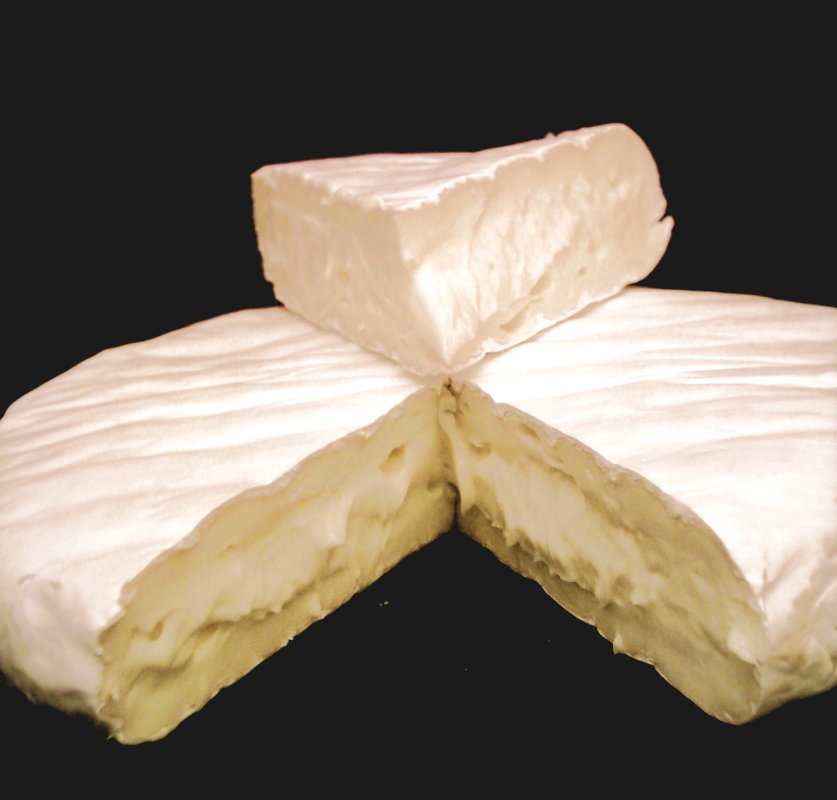 CamembertVegetarian
🇫🇷 FranceSoft, creamy cow’s milk cheese with a white, edible rind from Normandy
Cheese or dairy food
CamembertVegetarian
🇫🇷 FranceSoft, creamy cow’s milk cheese with a white, edible rind from Normandy
Cheese or dairy food
 BrieVegetarian
🇫🇷 France and 3 moreSoft French cheese with a white edible rind and creamy interior
Cheese or dairy food, Lunch, Dinner
BrieVegetarian
🇫🇷 France and 3 moreSoft French cheese with a white edible rind and creamy interior
Cheese or dairy food, Lunch, Dinner
 BurrataVegetarian
🇮🇹 ItalyA pouch of mozzarella filled with stracciatella and cream from southern Italy
Cheese or dairy food
BurrataVegetarian
🇮🇹 ItalyA pouch of mozzarella filled with stracciatella and cream from southern Italy
Cheese or dairy food