
Vaca atolada
Brazilian beef rib and cassava stew from Minas Gerais
Vaca atolada is a hearty stew from Brazil, mainly associated with the Minas Gerais region. It features beef rib and cassava simmered together until tender. Once made with preserved meat for explorers, it is now a popular hot dish with regional variations across Brazil.
- Main ingredients are beef rib and cassava
- Originated with pioneers in Minas Gerais
- Now a typical dish in Minas Gerais and beyond
- Variations include extra vegetables or Portuguese seasonings
- Served hot as a main meal
What is Vaca atolada?
Vaca atolada is a rustic Brazilian stew built around beef rib and cassava, a starchy root also known as manioc. The beef is cooked until it is tender, and the cassava thickens the broth, giving the dish a hearty texture. The result is a rich, filling meal with the flavors of slow-cooked meat and earthy cassava. Some versions include extra vegetables or seasonings, but the core remains beef rib and cassava.
Where does Vaca atolada come from?
This dish traces its roots to the pioneers and explorers of Minas Gerais, who needed food that would last on long journeys. Early versions combined jerky, lard, and cassava as a preserved meal. Over time, fresh beef rib replaced jerky, and vaca atolada became a staple of home cooking in Minas Gerais. The dish has since spread to other regions of Brazil, each adding its own touches.
How is Vaca atolada made?
To make vaca atolada, beef ribs are simmered with chunks of cassava until both are soft. The cassava helps thicken the stew as it cooks. Some versions add vegetables like pumpkin, sweet potato, or carrot, and in southern Brazil, garlic, onion, tomato, and bell pepper may be included. The stew is cooked slowly to let the flavors blend and the meat become tender.
How and when is Vaca atolada eaten?
Vaca atolada is served hot, often as a main course for lunch or dinner. It is enjoyed as a filling everyday meal, especially in Minas Gerais and other regions where it is popular. The stew is usually eaten from a bowl, sometimes with rice or bread on the side, making it a comforting choice for family gatherings or casual meals.
Kinds of Vaca atolada
While the classic version uses beef rib and cassava, some regions make it with jerky (carne do sol) or add extra vegetables. In Rio Grande do Sul, Portuguese influences appear in the use of garlic, onion, tomato, and bell pepper. Along the coast, local vegetables or different cuts of beef may be used, but the combination of beef and cassava remains central.
What Vaca atolada means
Vaca atolada is closely tied to the food traditions of Minas Gerais and is seen as a symbol of the region's rustic cooking. It reflects the resourcefulness of early settlers who relied on preserved foods. Today, it is a beloved comfort food across Brazil, with each region adapting the dish to local tastes and ingredients.
Questions people ask about Vaca atolada
What is vaca atolada made of?
Vaca atolada is made mainly from beef rib and cassava, a starchy root. Some versions may include extra vegetables or seasonings, but these two ingredients are always present.
Where does vaca atolada come from?
The dish comes from Brazil, especially the Minas Gerais region. It began as a preserved food for explorers and has become a typical meal in several Brazilian states.
How is vaca atolada served?
It is served hot, usually as a main course for lunch or dinner. The stew is often eaten from a bowl and may be accompanied by rice or bread.
Are there different versions of vaca atolada?
Yes, some regions use jerky instead of fresh beef rib, and others add vegetables like pumpkin or carrot. In southern Brazil, garlic, onion, tomato, and bell pepper are sometimes included.
Is vaca atolada eaten for special occasions?
It is mainly an everyday food, enjoyed as a hearty meal. The sources do not mention its use in festivals or special events.
Good reading and sources
The facts on this page come from the Wikipedia article "Vaca atolada", written by its contributors and used under the CC BY-SA 4.0 licence, and from its Wikidata record (CC0). Thali rewrote the text in its own words, with AI assistance, and compares every page with the article to make sure no passage is copied. It may be reused under the same CC BY-SA 4.0 licence with a link back.
It may contain mistakes, and it is not dietary or allergy advice: recipes differ from cook to cook. If something is wrong, tell us. Last refreshed 2026-10-03.
More from Brazil
All the food of Brazil PolentaVegan
🇮🇹 Italy and 5 moreBoiled cornmeal porridge from northern Italy, served soft or set and sliced
Main dish
PolentaVegan
🇮🇹 Italy and 5 moreBoiled cornmeal porridge from northern Italy, served soft or set and sliced
Main dish
 ChorizoMeat
🇪🇸 Spain and 5 moreA seasoned pork sausage from the Iberian Peninsula, made in many regional styles
Sausage or cured food, Breakfast, Lunch
ChorizoMeat
🇪🇸 Spain and 5 moreA seasoned pork sausage from the Iberian Peninsula, made in many regional styles
Sausage or cured food, Breakfast, Lunch
 Steak tartareMeat
🇫🇷 France and 5 moreRaw minced beef, seasoned and often topped with a raw egg yolk
Main dish, Lunch, Dinner
Steak tartareMeat
🇫🇷 France and 5 moreRaw minced beef, seasoned and often topped with a raw egg yolk
Main dish, Lunch, Dinner
Its cousins elsewhere
All stews and curries CaldouFish or seafood
🇸🇳 SenegalSenegalese fish and vegetable stew with a tangy broth, served with rice
Main dish, Lunch, Dinner
CaldouFish or seafood
🇸🇳 SenegalSenegalese fish and vegetable stew with a tangy broth, served with rice
Main dish, Lunch, Dinner
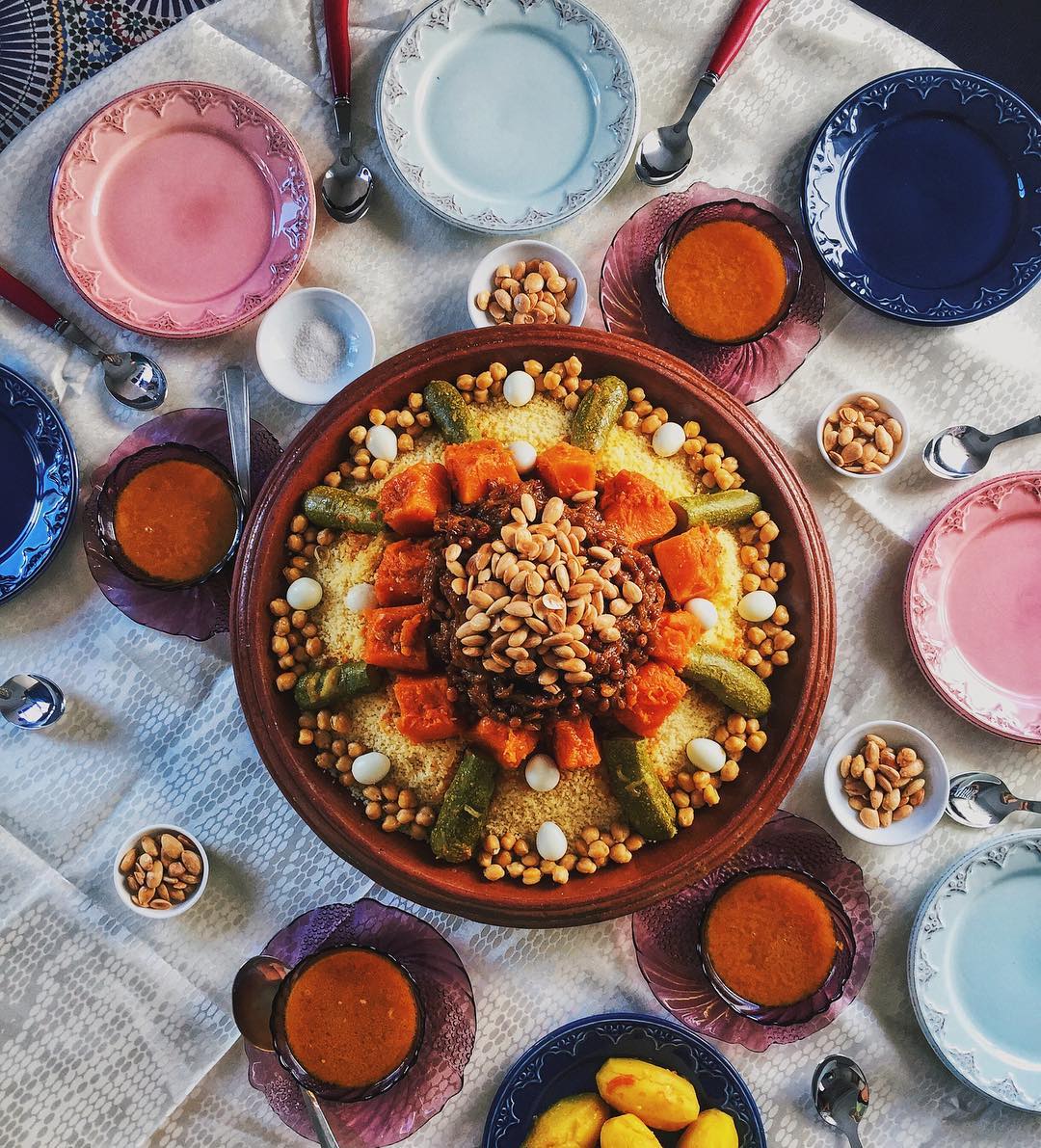 Couscousseksu
🇩🇿 Algeria and 4 moreSteamed semolina granules served with stew or vegetables across North Africa
Main dish, Lunch, Dinner
Couscousseksu
🇩🇿 Algeria and 4 moreSteamed semolina granules served with stew or vegetables across North Africa
Main dish, Lunch, Dinner
 RatatouilleVegan
🇫🇷 FranceA Provençal stew of summer vegetables cooked in olive oil
Main dish, Lunch, Dinner
RatatouilleVegan
🇫🇷 FranceA Provençal stew of summer vegetables cooked in olive oil
Main dish, Lunch, Dinner
 Moussakaμουσακάς
🇬🇷 Greece and 5 moreBaked casserole of eggplant or potato, often layered with meat and sauce
Main dish, Lunch, Dinner
Moussakaμουσακάς
🇬🇷 Greece and 5 moreBaked casserole of eggplant or potato, often layered with meat and sauce
Main dish, Lunch, Dinner