
Caldou
Senegalese fish and vegetable stew with a tangy broth, served with rice
Caldou is a traditional dish from Senegal’s coastal areas, made by simmering fresh fish and vegetables in a tangy broth. The sauce, often flavored with tamarind or lime juice, onions, and tomatoes, gives the dish its signature taste. Caldou is usually served with rice and highlights the country’s reliance on seafood and local produce.
- Caldou is a traditional Senegalese fish stew.
- The broth is flavored with tamarind or lime juice for tang.
- It is always served with rice.
- Vegetables like cassava and potatoes are added for texture.
- Caldou is lighter and more fragrant than yassa.
What is Caldou?
Caldou is a Senegalese stew built around fresh fish simmered gently in a seasoned broth. The sauce blends onions, tomatoes, and local spices, with tamarind or lime juice adding a sharp, tangy note. Vegetables like carrots, cassava, and potatoes are cooked alongside, giving the dish a mix of soft and firm textures. The final result is a light, fragrant stew that lets the taste of the fish stand out. It is always served with rice, making for a complete and satisfying meal.
Where does Caldou come from?
Caldou comes from Senegal, especially its coastal regions where fishing is central to daily life. The dish reflects the country’s connection to the sea and its agricultural roots. While it looks similar to yassa, another Senegalese fish dish, caldou stands apart for its lighter, more delicate flavors and different preparation. Its use of fresh, local ingredients highlights the traditional cooking of the region, where fish is a staple food.
How is Caldou made?
To make caldou, fresh fish is simmered in a broth with onions, tomatoes, and a blend of local spices. Tamarind or lime juice is added to give the stew its characteristic tang. Vegetables such as carrots, cassava, and potatoes are included, cooking until tender. The fish is handled gently to keep it moist and tender. The finished stew is ladled over plain rice for serving.
How and when is Caldou eaten?
Caldou is typically enjoyed as a main meal, either at lunch or dinner. It is served hot, with the stew poured over a bed of rice. The dish is eaten in homes and local restaurants, often shared with family or friends. Its everyday role in Senegalese cooking means it is not tied to special occasions but is a familiar part of daily life, especially in coastal communities.
Kinds of Caldou
While caldou’s core ingredients are fresh fish, vegetables, and a tangy broth, the exact mix of spices or vegetables can vary by region or household. Some cooks may use more tamarind, while others prefer lime juice for acidity. The types of fish and vegetables used often depend on what is available locally, but the overall style remains consistent across Senegal.
What Caldou means
Caldou is a symbol of Senegal’s coastal culture and the importance of fish in the national diet. It showcases the use of fresh, local produce and simple techniques that let the main ingredients shine. The dish is a point of pride for Senegalese people and is often mentioned as a classic example of their cuisine.
Questions people ask about Caldou
What is caldou made of?
Caldou is made with fresh fish, onions, tomatoes, local spices, and vegetables such as carrots, cassava, and potatoes. Tamarind or lime juice is added for a tangy flavor, and it is served with rice.
Where does caldou come from?
Caldou comes from Senegal, especially the coastal regions where fishing is a key part of life. It is a traditional dish in Senegalese cuisine.
How is caldou different from yassa?
Although both are Senegalese fish dishes with vegetables, caldou has a lighter, more delicate flavor and uses a tangy broth with tamarind or lime juice, while yassa is known for its bold, lemony taste.
When is caldou usually eaten?
Caldou is eaten as a main meal, typically at lunch or dinner. It is an everyday dish in Senegalese homes, not limited to special occasions.
What does caldou taste like?
Caldou has a light, fragrant taste with a tangy note from tamarind or lime juice. The flavors of the fresh fish and vegetables are allowed to stand out.
Good reading and sources
The facts on this page come from the Wikipedia article "Caldou", written by its contributors and used under the CC BY-SA 4.0 licence, and from its Wikidata record (CC0). Thali rewrote the text in its own words, with AI assistance, and compares every page with the article to make sure no passage is copied. It may be reused under the same CC BY-SA 4.0 licence with a link back.
It may contain mistakes, and it is not dietary or allergy advice: recipes differ from cook to cook. If something is wrong, tell us. Last refreshed 2026-10-03.
More from Senegal
All the food of Senegal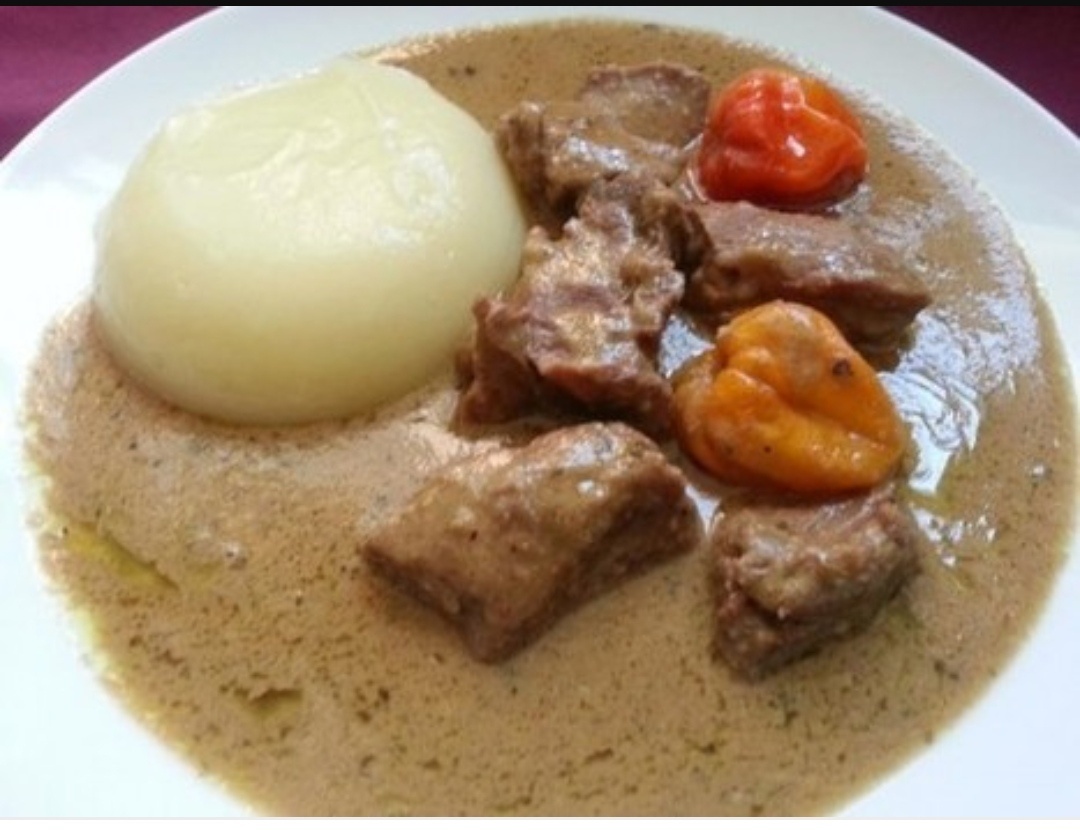 Peanut stew
🇸🇳 Senegal and 5 moreA rich West African stew of meat and vegetables in a spiced peanut sauce
Stew or curry, Lunch, Dinner
Peanut stew
🇸🇳 Senegal and 5 moreA rich West African stew of meat and vegetables in a spiced peanut sauce
Stew or curry, Lunch, Dinner
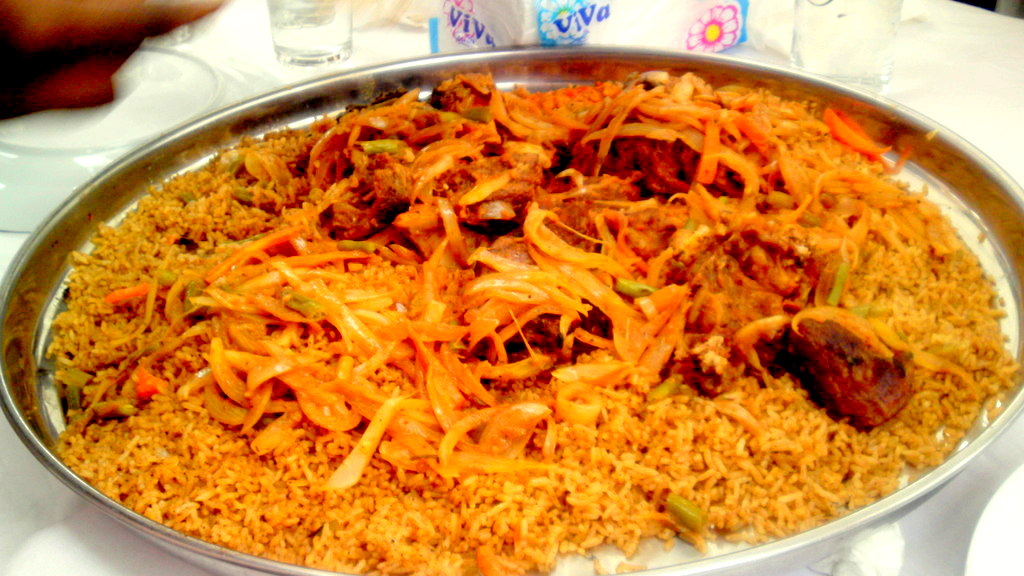 Riz grasMeat
🇧🇫 Burkina Faso and 4 moreWest African rice cooked with meat and vegetables, served hot
Main dish, Lunch, Dinner
Riz grasMeat
🇧🇫 Burkina Faso and 4 moreWest African rice cooked with meat and vegetables, served hot
Main dish, Lunch, Dinner
 Jambalaya
🇺🇸 United States and 5 moreLouisiana rice cooked with meats, vegetables and spices in one pot
Main dish, Lunch, Dinner
Jollof rice
🇸🇳 Senegal and 5 moreWest African rice simmered in tomato, chili and spices, often served with meat or fish
Main dish, Lunch, Dinner
Jambalaya
🇺🇸 United States and 5 moreLouisiana rice cooked with meats, vegetables and spices in one pot
Main dish, Lunch, Dinner
Jollof rice
🇸🇳 Senegal and 5 moreWest African rice simmered in tomato, chili and spices, often served with meat or fish
Main dish, Lunch, Dinner
Its cousins elsewhere
All main dishes Kebabكَبَاب
🇹🇷 Turkey and 5 moreGrilled or roasted meat, often on skewers, found across the Middle East and beyond
Main dish, Lunch, Dinner
Kebabكَبَاب
🇹🇷 Turkey and 5 moreGrilled or roasted meat, often on skewers, found across the Middle East and beyond
Main dish, Lunch, Dinner
 Pilaf
🇺🇿 Uzbekistan and 5 moreRice cooked in stock with spices, meat or vegetables, with each grain kept separate
Main dish, Lunch, Dinner
Pilaf
🇺🇿 Uzbekistan and 5 moreRice cooked in stock with spices, meat or vegetables, with each grain kept separate
Main dish, Lunch, Dinner
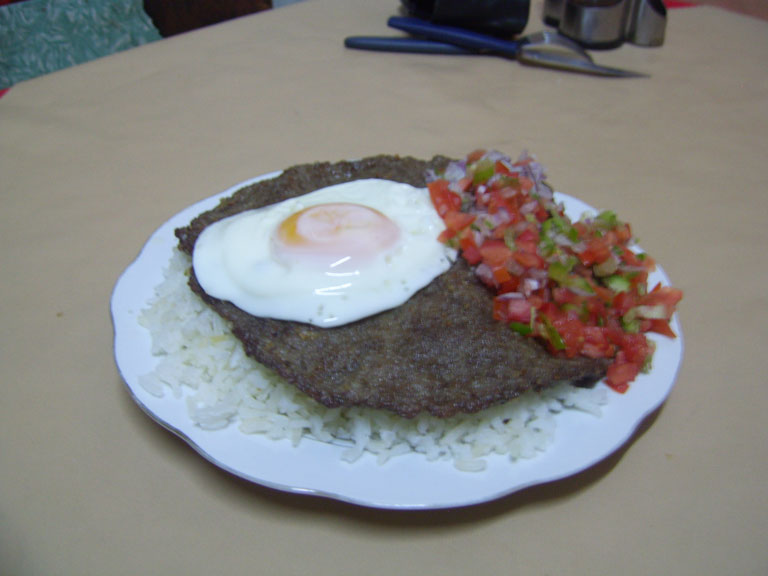 SilpanchoMeatSillp'anchu
🇧🇴 BoliviaLayered Bolivian meal with rice, potatoes, breaded meat, and fried eggs
Main dish, Lunch, Dinner
SilpanchoMeatSillp'anchu
🇧🇴 BoliviaLayered Bolivian meal with rice, potatoes, breaded meat, and fried eggs
Main dish, Lunch, Dinner
 Misalमिसळ
🇮🇳 IndiaSpicy sprouted bean curry layered with toppings, served hot with bread
Main dish, Breakfast, Snacks
Misalमिसळ
🇮🇳 IndiaSpicy sprouted bean curry layered with toppings, served hot with bread
Main dish, Breakfast, Snacks