
Vigorón
Boiled yuca topped with crisp pork cracklings and tangy cabbage salad
Vigorón is a classic Nicaraguan dish made of tender boiled yuca, crisp fried pork rinds, and a zesty cabbage slaw. Served on fresh banana leaves, it is a fast and welcoming meal shared with visiting relatives and guests.
- Invented in 1914 in the Nicaraguan city of Granada by María Luisa Cisneros Lacayo.
- Named after a turn-of-the-century medicinal tonic displayed on local posters.
- Customarily arranged and served on a broad green banana leaf and eaten without cutlery.
- Combines boiled yuca roots, crisp fried chicharrón, and a sharp vinegar cabbage slaw.
What is Vigorón?
Vigorón brings together soft starch, rich crunch, and bright acidity on a broad banana leaf. The base consists of boiled yuca roots. Heaped on top are chicharrones, which can be brittle fried pork rinds or meaty segments of fried pork belly. Over the cracklings rests curtido, a tart slaw made from shredded cabbage, chopped tomatoes, onions, and hot chili peppers steeped in vinegar with salt. The pickled dressing balances the rich, fatty meat and mild tubers.
Where does Vigorón come from?
According to the 1971 book Granada by Alejandro Barberena Pérez, the dish originated in Granada, Nicaragua. A woman named María Luisa Cisneros Lacayo, known locally by the moniker La Loca, devised the recipe in 1914. She picked the name after noticing promotional posters for a contemporary medicinal tonic that was called Vigoron.
How is Vigorón made?
Cooking the dish requires boiling peeled yuca chunks until soft and starchy. Fresh pork belly or rinds are rendered and deep-fried to create crisp chicharrones. In a separate bowl, chopped raw cabbage, diced tomatoes, sliced onions, and chili peppers steep in vinegar and salt to form curtido. Everything is arranged directly upon a flat banana leaf.
How and when is Vigorón eaten?
Vigorón is a popular welcoming food for house guests and relatives because cooks can assemble it swiftly without elaborate effort. Diners typically eat the food with their hands rather than using metal cutlery, gathering the pieces right off the green leaf lining.
Kinds of Vigorón
Households and regional cooks make their own styles of curtido, adjusting the acidity or pepper heat in the pickled salad. The dish has also spread into neighboring nations, especially Costa Rica, where street vendors and home cooks prepare it frequently. It shares similarities with vaho, another Nicaraguan plate, though vaho uses brisket, both green and ripe plantains, and requires pressure cooking.
Questions people ask about Vigorón
Where does vigorón come from?
It comes from Granada, Nicaragua, where local creator María Luisa Cisneros Lacayo formulated the recipe in 1914. It is also widely eaten across nearby Costa Rica.
What is vigorón made of?
The meal features boiled yuca root, crisp fried pork cracklings or pork belly, and curtido, which is a tart cabbage, onion, chili, and tomato slaw pickled in salted vinegar.
How is vigorón usually served and eaten?
Vendors and hosts present the components piled high on top of a banana leaf. People generally pick it up and eat it directly with their fingers without forks or spoons.
How does vigorón differ from Nicaraguan vaho?
Unlike vigorón, vaho is pressure-cooked, relies on beef brisket rather than pork cracklings alone, and includes both sweet ripe plantains and firm green plantains.
Good reading and sources
The facts on this page come from the Wikipedia article "Vigorón", written by its contributors and used under the CC BY-SA 4.0 licence, and from its Wikidata record (CC0). EveryThali rewrote the text in its own words, with AI assistance, and compares every page with the article to make sure no passage is copied. It may be reused under the same CC BY-SA 4.0 licence with a link back.
It may contain mistakes, and it is not dietary or allergy advice: recipes differ from cook to cook. If something is wrong, tell us. Last refreshed 2026-10-04.
More from Nicaragua
All the food of Nicaragua Indio viejoMeat
🇳🇮 NicaraguaNicaraguan maize and meat stew thickened with tomatoes and achiote
Stew or curry, Lunch, Dinner
Indio viejoMeat
🇳🇮 NicaraguaNicaraguan maize and meat stew thickened with tomatoes and achiote
Stew or curry, Lunch, Dinner
 TocinoMeat
🇵🇭 Philippines and 5 moreCured or fried pork enjoyed in Spain, the Philippines, and the Caribbean
Main dish, Breakfast, Lunch
TocinoMeat
🇵🇭 Philippines and 5 moreCured or fried pork enjoyed in Spain, the Philippines, and the Caribbean
Main dish, Breakfast, Lunch
 CevicheFish or seafood
🇵🇪 Peru and 5 moreRaw fish or shellfish marinated in citrus juice and seasonings
Main dish, Lunch, Dinner
CevicheFish or seafood
🇵🇪 Peru and 5 moreRaw fish or shellfish marinated in citrus juice and seasonings
Main dish, Lunch, Dinner
 Tamaletamal
🇲🇽 Mexico and 5 moreCorn dough filled and steamed in a leaf wrapper, with many regional fillings
Main dish, Breakfast, Lunch
Tamaletamal
🇲🇽 Mexico and 5 moreCorn dough filled and steamed in a leaf wrapper, with many regional fillings
Main dish, Breakfast, Lunch
Its cousins elsewhere
All main dishes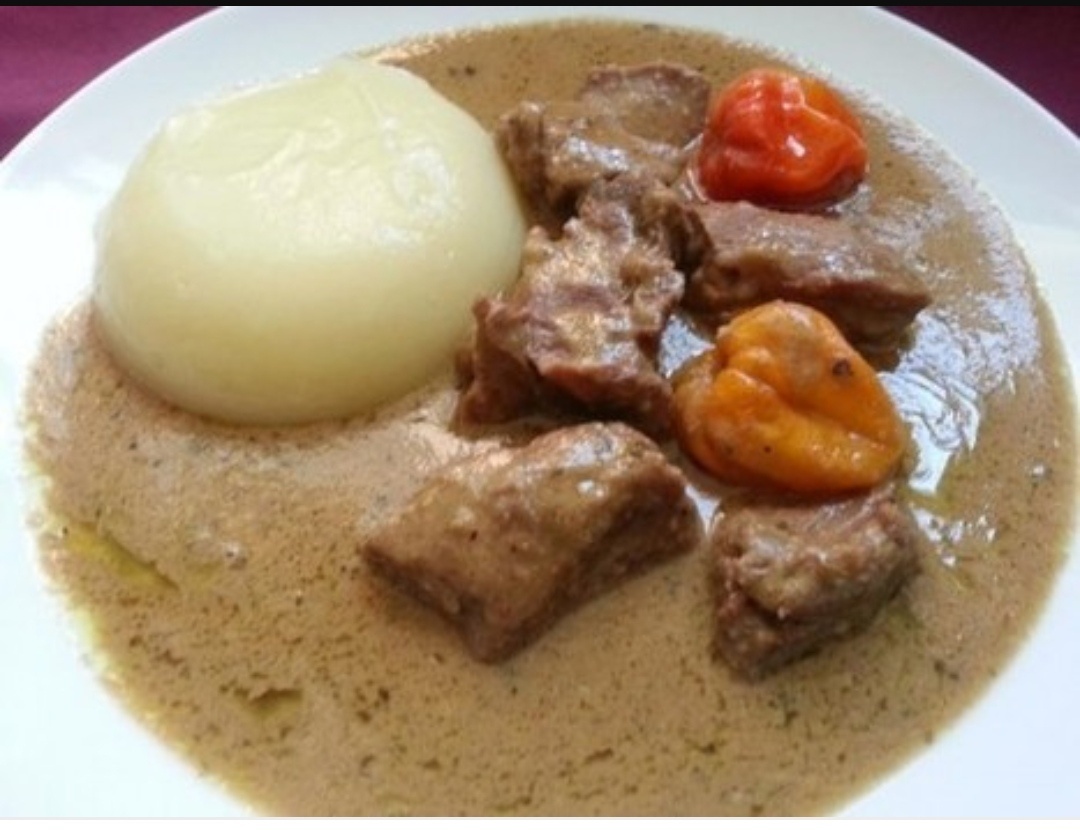 Peanut stew
🇸🇳 Senegal and 5 moreA rich West African stew of meat and vegetables in a spiced peanut sauce
Stew or curry, Lunch, Dinner
Peanut stew
🇸🇳 Senegal and 5 moreA rich West African stew of meat and vegetables in a spiced peanut sauce
Stew or curry, Lunch, Dinner
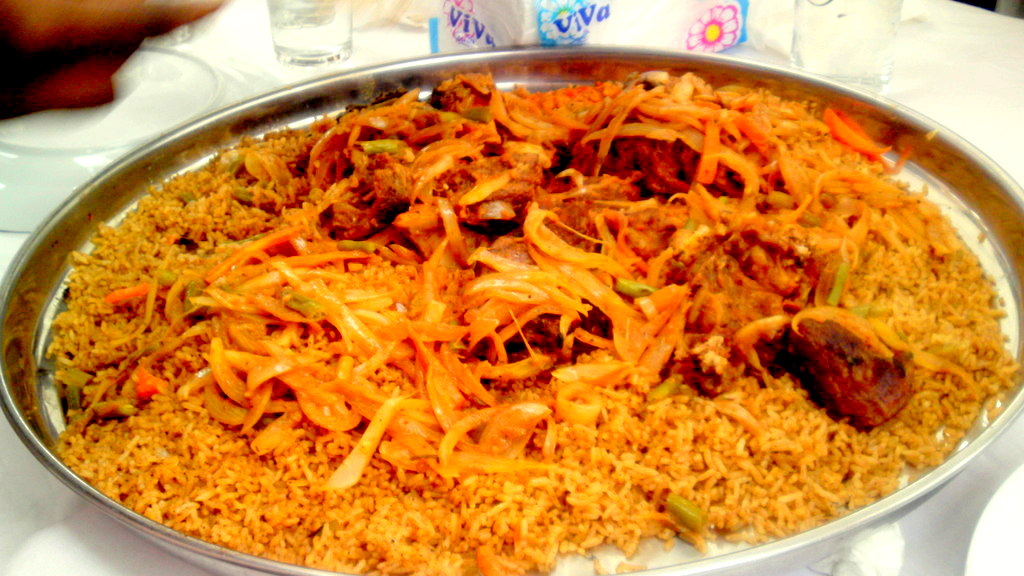 Riz grasMeat
🇧🇫 Burkina Faso and 4 moreWest African rice cooked with meat and vegetables, served hot
Main dish, Lunch, Dinner
Riz grasMeat
🇧🇫 Burkina Faso and 4 moreWest African rice cooked with meat and vegetables, served hot
Main dish, Lunch, Dinner
 Chicken tikka masalaMeat
🇬🇧 United Kingdom and 4 moreRoasted marinated chicken in a creamy, spiced tomato-based sauce
Main dish, Lunch, Dinner
Jollof rice
🇸🇳 Senegal and 5 moreWest African rice simmered in tomato, chili and spices, often served with meat or fish
Main dish, Lunch, Dinner
Chicken tikka masalaMeat
🇬🇧 United Kingdom and 4 moreRoasted marinated chicken in a creamy, spiced tomato-based sauce
Main dish, Lunch, Dinner
Jollof rice
🇸🇳 Senegal and 5 moreWest African rice simmered in tomato, chili and spices, often served with meat or fish
Main dish, Lunch, Dinner