🇫🇷 The food of France
143 dishes from France, best known first, across 60 cities and regions.
French cooking is shaped by centuries of tradition, regional produce, and a deep respect for technique. Cheese and wine are central, with countless local varieties and strict rules about their origins. French cuisine has influenced much of the Western world and is celebrated for both its refined and rustic dishes.
The cooking of France
French cuisine draws on a long history, from medieval banquets with elaborate displays to the precise techniques of haute cuisine. Influences from Italy and the wider world were gradually replaced by a distinct French style, especially from the 17th century onward. Markets and guilds in cities like Paris helped define the quality and identity of ingredients. French cooking values both visual appeal and flavor, with sauces, pastries, and careful preservation methods playing key roles. The cuisine ranges from simple rural fare to sophisticated urban dishes, and its methods have shaped culinary education globally.
Staple foods in France
Bread is essential, eaten daily and often forming the base for soups. Cheese and wine are integral, with many regional types protected by law. Pork, beef, poultry, and a wide range of fish and shellfish appear across the country. Vegetables, especially root vegetables, and preserved foods like sausages, salted meats, and pickled cucumbers are common. Spices, once rare and expensive, were used heavily in earlier centuries.
Sweets and drinks in France
Desserts have evolved from medieval spiced sweets and aged cheese to refined pastries and confections. Wine is a constant presence, enjoyed both as a drink and as an ingredient in cooking. Spiced wines, such as hypocras, were once served at the end of meals. Pastries and sugar work, including elaborate pièces montées, became a hallmark of French culinary artistry.
From region to region in France
Regional variation is strong: each area has its own cheeses, wines, and specialties. Dishes that were once local have spread nationwide, often in new forms. The countryside is known for hearty, rustic cooking, while cities like Paris have developed more refined, elaborate styles. Markets and local guilds historically shaped what was available and popular in each place.
Festival and religious food in France
Feasts and banquets have a long tradition, especially among the aristocracy. Medieval celebrations featured multiple courses served at once, with showy dishes like roast birds presented in their feathers. Religious calendars shaped what was eaten, with preserved meats and fish (including sea mammals) during fasting periods. Today, festive dishes often trace back to royal or regional traditions.
The facts in this overview come from the Wikipedia article "French cuisine", written by its contributors and used under the CC BY-SA 4.0 licence. Thali rewrote the text in its own words, with AI assistance, and compares every page with the article to make sure no passage is copied. It may be reused under the same CC BY-SA 4.0 licence with a link back.
Cities and regions of France
 BouillabaisseFish or seafood
🇫🇷 FranceA Marseille fish stew with local seafood, herbs, and saffron broth
Stew or curry, Lunch, Dinner
BouillabaisseFish or seafood
🇫🇷 FranceA Marseille fish stew with local seafood, herbs, and saffron broth
Stew or curry, Lunch, Dinner
 PissaladièreFish or seafood
🇫🇷 France and 1 moreThick flatbread from Nice topped with caramelised onions, olives and anchovies
Main dish, Lunch, Dinner
PissaladièreFish or seafood
🇫🇷 France and 1 moreThick flatbread from Nice topped with caramelised onions, olives and anchovies
Main dish, Lunch, Dinner
 Dried and salted codFish or seafood
🇳🇴 Norway and 5 moreCod preserved with salt and dried for long storage and global cooking
Main dish, Breakfast, Lunch
Dried and salted codFish or seafood
🇳🇴 Norway and 5 moreCod preserved with salt and dried for long storage and global cooking
Main dish, Breakfast, Lunch
 Bagna càudaFish or seafood
🇮🇹 Italy and 3 moreA warm anchovy and garlic dip from Piedmont, served with vegetables
Sauce, pickle or ferment, Dinner
Bagna càudaFish or seafood
🇮🇹 Italy and 3 moreA warm anchovy and garlic dip from Piedmont, served with vegetables
Sauce, pickle or ferment, Dinner
 Moules-fritesFish or seafood
🇧🇪 Belgium and 1 moreMussels cooked in broth, served with crisp fries on the side
Main dish, Lunch, Dinner
Moules-fritesFish or seafood
🇧🇪 Belgium and 1 moreMussels cooked in broth, served with crisp fries on the side
Main dish, Lunch, Dinner
 Tuna potFish or seafood
🇪🇸 Spain and 1 moreBasque and Cantabrian stew of tuna, potatoes, peppers and tomato
Stew or curry, Lunch, Dinner
Tuna potFish or seafood
🇪🇸 Spain and 1 moreBasque and Cantabrian stew of tuna, potatoes, peppers and tomato
Stew or curry, Lunch, Dinner
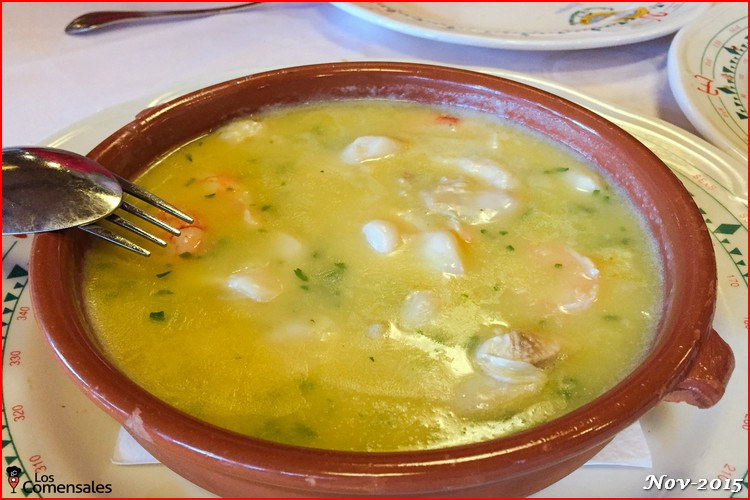 Cod tongueFish or seafood
🇳🇴 Norway and 5 moreChewy, boneless cut from the lower jaw of cod, prized in North Atlantic fishing cultures
Main dish, Lunch, Dinner
Cod tongueFish or seafood
🇳🇴 Norway and 5 moreChewy, boneless cut from the lower jaw of cod, prized in North Atlantic fishing cultures
Main dish, Lunch, Dinner
 Sole meunièreFish or seafood
🇫🇷 FranceSole fish floured, fried in butter, and finished with lemon and parsley
Main dish, Lunch, Dinner
Sole meunièreFish or seafood
🇫🇷 FranceSole fish floured, fried in butter, and finished with lemon and parsley
Main dish, Lunch, Dinner
Photo credits on this page
The small pictures above come from Wikimedia Commons under free licences. Some are cropped to fit.
- Sole meunière: Jay Cross, CC BY 2.0, source
- Bouillabaisse: Slastic, CC BY 3.0, source
- Pissaladière: Cdg83, CC BY-SA 4.0, source
- Bagna càuda: Fernando Lopez Anido, CC BY-SA 4.0, source
- Moules-frites: dennis and aimee jonez, CC BY-SA 2.0, source
- Dried and salted cod: Riksarkivet (National Archives of Norway), No restrictions, source
- Tuna pot: Núria Pueyo, CC BY-SA 2.5, source
- Cod tongue: Fernando Medina, CC BY 2.0, source