
Aguapanela
Sweet drink made by dissolving panela (unrefined cane sugar) in water
Aguapanela is a traditional Colombian drink made by dissolving panela, a block of unrefined cane sugar, in water. It is enjoyed hot or cold, often with lemon or lime, and sometimes with milk or cheese. While found in several South American countries, it is most closely linked to Colombia and is drunk throughout the day.
- Made by dissolving panela (unrefined cane sugar) in water
- Often served with lemon or lime, hot or cold
- Common throughout Colombia, especially in the Andes
- Sometimes enjoyed with milk or cheese
- Used as a base for black coffee in Colombia
What is Aguapanela?
Aguapanela is a sweet drink made by dissolving panela, a solid cake of unrefined cane sugar, in water. The result is a brown or chestnut-colored liquid with a sweet and sometimes citrusy taste. It can be served either hot or cold. Lemon or lime is often added for a fresh note, and in some cases, milk or even a chunk of cheese is mixed in. The drink is simple but deeply rooted in daily life, especially in Colombia.
Where does Aguapanela come from?
Aguapanela is most closely associated with Colombia, especially the Andes region, though it is made in various forms across South America. The name means 'panela water', referring to its main ingredient, panela, which is made from hardened sugar cane juice. While variations exist in countries like Venezuela, Costa Rica, and others, Colombia is where aguapanela is most widely consumed and recognized as a staple drink.
How is Aguapanela made?
To prepare aguapanela, pieces of panela are broken off and added to water, then stirred or boiled until fully dissolved. The drink can be served hot, sometimes with milk or cheese, or cold with a squeeze of lemon or lime. In Colombia, it is also used as the base for black coffee, replacing water and sugar. The process is straightforward and relies on the natural sweetness of panela.


How and when is Aguapanela eaten?
Aguapanela is enjoyed throughout the day in Colombia, much like tea. It is served hot or cold, depending on preference and weather. Lemon or lime is a common addition, and in its hot form, it may be paired with milk or cheese. In Costa Rica, a similar drink called agua dulce is a typical breakfast beverage. Aguapanela can be found in homes, cafés, and even upscale establishments.
Kinds of Aguapanela
Across South America, similar drinks are made with panela under different names. In Venezuela, papelón con limón is a related drink. In Costa Rica, agua dulce is made with tapa de dulce (their name for panela) and water or milk. An alcoholic version called canelazo is made by adding cinnamon and aguardiente, with sugar sometimes rubbed on the rim of the glass.
What Aguapanela means
Aguapanela has moved from being a working-class staple to a drink enjoyed in all kinds of settings, including boutique cafés. It is sometimes believed to have health benefits, such as helping with colds or providing minerals, though it is essentially a sweet beverage. Its presence is strong in Colombian daily life and it is part of the country's food identity.
Questions people ask about Aguapanela
What is aguapanela made of?
Aguapanela is made by dissolving panela, which is a block of unrefined cane sugar, in water. Sometimes lemon, lime, milk, or cheese is added.
Where does aguapanela come from?
Aguapanela is most closely linked to Colombia, especially the Andes region, but is also found in other South American countries like Venezuela and Costa Rica.
Is aguapanela served hot or cold?
It can be served either hot or cold. Lemon or lime is often added, and in its hot form, milk or cheese may be included.
Is aguapanela considered healthy?
While many believe aguapanela has health benefits, it is essentially a sweet drink made from sugar and water, similar to soft drinks.
Are there variations of aguapanela?
Yes, similar drinks exist in other countries, such as papelón con limón in Venezuela and agua dulce in Costa Rica. An alcoholic version called canelazo is also made with cinnamon and aguardiente.
Good reading and sources
The facts on this page come from the Wikipedia article "Aguapanela", written by its contributors and used under the CC BY-SA 4.0 licence, and from its Wikidata record (CC0). Thali rewrote the text in its own words, with AI assistance, and compares every page with the article to make sure no passage is copied. It may be reused under the same CC BY-SA 4.0 licence with a link back.
It may contain mistakes, and it is not dietary or allergy advice: recipes differ from cook to cook. If something is wrong, tell us. Last refreshed 2026-10-03.
More from Colombia
All the food of Colombia CoffeeVegan
🇾🇪 Yemen and 5 moreA dark, bitter drink made by brewing roasted coffee beans
Drink, Breakfast, Snacks
CoffeeVegan
🇾🇪 Yemen and 5 moreA dark, bitter drink made by brewing roasted coffee beans
Drink, Breakfast, Snacks
 Hot chocolate
🇲🇽 Mexico and 5 moreA warm drink made from chocolate or cocoa, milk or water, and sugar
Drink, Breakfast, Snacks
Hot chocolate
🇲🇽 Mexico and 5 moreA warm drink made from chocolate or cocoa, milk or water, and sugar
Drink, Breakfast, Snacks
 Chicha
🇵🇪 Peru and 6 moreA traditional Latin American drink made by fermenting maize or other plants
Drink, Snacks
Chicha
🇵🇪 Peru and 6 moreA traditional Latin American drink made by fermenting maize or other plants
Drink, Snacks
 MazamorraKaguyjy
🇪🇸 Spain and 10 moreTraditional corn-based dessert or drink found across Spain and Latin America
Drink, Breakfast, Lunch
MazamorraKaguyjy
🇪🇸 Spain and 10 moreTraditional corn-based dessert or drink found across Spain and Latin America
Drink, Breakfast, Lunch
Its cousins elsewhere
All drinks TeaVegan茶
🇨🇳 China and 5 moreA drink made by soaking tea leaves in hot or cold water
Drink
TeaVegan茶
🇨🇳 China and 5 moreA drink made by soaking tea leaves in hot or cold water
Drink
 VodkaVeganwódka
🇷🇺 Russia and 5 moreA clear spirit distilled from grains or potatoes, known for its neutral taste
Drink
VodkaVeganwódka
🇷🇺 Russia and 5 moreA clear spirit distilled from grains or potatoes, known for its neutral taste
Drink
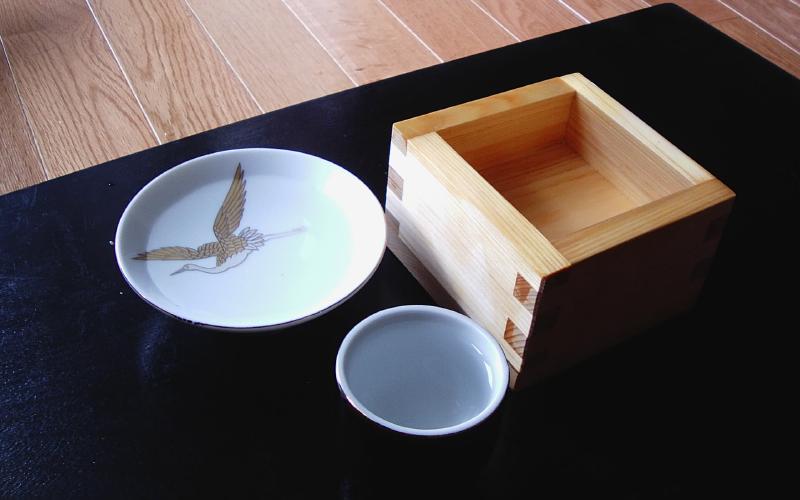 SakeVegan酒
🇯🇵 JapanJapanese alcoholic drink brewed from polished rice and kōji mold
Drink
SakeVegan酒
🇯🇵 JapanJapanese alcoholic drink brewed from polished rice and kōji mold
Drink
 KvassVeganквас
🇷🇺 Russia and 5 moreA tangy, slightly sweet fermented drink made from rye bread or flour
Drink
KvassVeganквас
🇷🇺 Russia and 5 moreA tangy, slightly sweet fermented drink made from rye bread or flour
Drink