
Coca tea
In its own language: mate de coca
A gentle Andean herbal infusion brewed from fresh or dried coca leaves
Coca tea is a traditional South American herbal drink brewed by steeping coca leaves in hot water. Originating in Bolivia and Peru, it is widely shared throughout the Andean region to refresh travelers and provide gentle stimulation.
- Native to the Andes, where it is legal and widely consumed across several nations
- Pours a pale greenish-yellow and tastes similar to green tea with natural sweetness
- Delivers a mild stimulating effect comparable to standard tea or moderate coffee
- Traditional welcome drink offered to high-altitude visitors in Cuzco and La Paz
What is Coca tea?
Coca tea is a light herbal brew made from the foliage of the South American coca shrub. In a finished cup, the infusion displays a translucent greenish-yellow tone. Its scent is grassy, and the flavor carries a light herbal bitterness balanced by an earthy, natural sweetness, closely resembling plain green tea. Because the leaves naturally contain alkaloids, drinking a cup delivers an uplifting boost comparable to sipping a cup of regular tea or moderately strong brewed coffee. Unlike yerba mate, which comes from an unrelated holly plant in southeastern South America, this Andean infusion comes entirely from true coca leaves.
Where does Coca tea come from?
The coca plant is native to South America, where indigenous communities across the high Andes have gathered and used its foliage for centuries. Communal healing and folk medicine traditions across Peru and Bolivia incorporated whole leaf brews to treat everyday discomforts long before commercial tea packaging appeared. Over generations, the practice of serving the hot drink spread across the Andean mountain corridor into Colombia, Ecuador, and northern Argentina. Today, both Peru and Bolivia recognize the infusion as an established national drink, though international narcotics treaties have limited its distribution beyond regional borders.
How is Coca tea made?
Brewing coca tea is simple and uses either raw or dried whole leaves or commercial filter bags filled with ground foliage. In traditional households and hospitality settings, loose whole leaves are placed directly into a teapot. Hot water is poured over the foliage and allowed to rest until the liquid turns yellow-green as the soluble plant compounds release. In urban homes, prepackaged tea bags containing about one gram of crumbled leaf material are steeped in a mug of freshly boiled water for several minutes before the bag is removed.
How and when is Coca tea eaten?
This herbal tea is served hot in cups or mugs, often plain without any milk. Travelers arriving at high-altitude destinations such as Cuzco in Peru or La Paz in Bolivia are routinely greeted with freshly poured pots as a welcoming gesture. Hosts present the infusion to help newcomers adapt to the thin mountain air and soothe altitude sickness. Locals drink it throughout the day for steady warmth, hospitality, and a clear-headed lift during daily tasks.
Kinds of Coca tea
The drink varies mainly between the traditional presentation using whole green leaves and modern commercial versions packed into paper teabags. While full-strength leaves retain their natural stimulant profile, specialized producers also manufacture decocainized leaves. Much like decaffeinated coffee beans that keep trace amounts of caffeine, these treated leaves retain only tiny amounts of alkaloids while preserving the familiar herbal flavor for broader commercial use.
What Coca tea means
For indigenous peoples in the Andes, the beverage represents an essential pillar of folk healing and daily domestic culture. Outside its native mountain range, the tea faces strict legal boundaries because its alkaloids can trigger positive drug tests. While fully legal to buy and drink in South American countries like Peru, Bolivia, and Colombia, the tea cannot be brought into nations such as the United States unless thoroughly decocainized.
Questions people ask about Coca tea
What is coca tea made of?
Coca tea is brewed purely from the raw or dried leaves of the coca plant steeped in hot water. It can be made using loose whole leaves in a pot or with prepackaged single-serving tea bags containing ground leaves.
Where does coca tea come from?
The beverage originates in the Andean mountain range of South America, specifically in Peru and Bolivia. It is also an established, legal drink in Colombia, Ecuador, Argentina, and Uruguay.
What does coca tea taste like?
The drink looks greenish-yellow and has a delicate, pleasantly bitter taste that resembles green tea, accompanied by an inherent organic sweetness and an herbal aroma.
Why is coca tea given to travelers in the Andes?
Hot pots of coca tea are traditionally offered to visitors arriving in high-elevation cities like Cuzco and La Paz to help them cope with the discomfort of altitude sickness.
Good reading and sources
The facts on this page come from the Wikipedia article "Coca tea", written by its contributors and used under the CC BY-SA 4.0 licence, and from its Wikidata record (CC0). EveryThali rewrote the text in its own words, with AI assistance, and compares every page with the article to make sure no passage is copied. It may be reused under the same CC BY-SA 4.0 licence with a link back.
It may contain mistakes, and it is not dietary or allergy advice: recipes differ from cook to cook. If something is wrong, tell us. Last refreshed 2026-10-04.
More from Bolivia
All the food of Bolivia Chicha
🇵🇪 Peru and 6 moreA traditional Latin American drink made by fermenting maize or other plants
Drink, Snacks
Chicha de joraVegan
🇵🇪 Peru and 4 moreAndean fermented drink made from germinated maize
Drink
Chicha
🇵🇪 Peru and 6 moreA traditional Latin American drink made by fermenting maize or other plants
Drink, Snacks
Chicha de joraVegan
🇵🇪 Peru and 4 moreAndean fermented drink made from germinated maize
Drink
 Huatia
🇵🇪 Peru and 2 moreAndean food cooked in a traditional earth oven of heated stones
Main dish
Huatia
🇵🇪 Peru and 2 moreAndean food cooked in a traditional earth oven of heated stones
Main dish
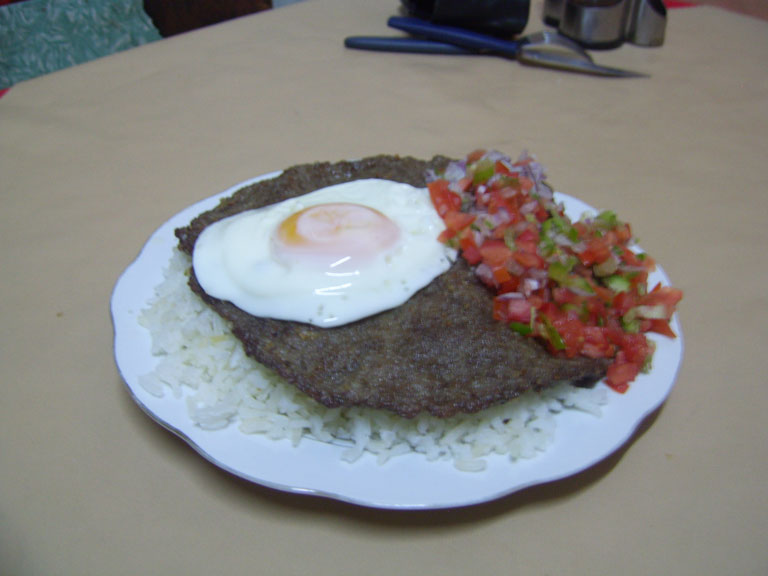 SilpanchoMeatSillp'anchu
🇧🇴 BoliviaLayered Bolivian meal with rice, potatoes, breaded meat, and fried eggs
Main dish, Lunch, Dinner
SilpanchoMeatSillp'anchu
🇧🇴 BoliviaLayered Bolivian meal with rice, potatoes, breaded meat, and fried eggs
Main dish, Lunch, Dinner
Its cousins elsewhere
All drinks TeaVegan茶
🇨🇳 China and 5 moreA drink made by soaking tea leaves in hot or cold water
Drink
TeaVegan茶
🇨🇳 China and 5 moreA drink made by soaking tea leaves in hot or cold water
Drink
 VodkaVeganwódka
🇷🇺 Russia and 5 moreA clear spirit distilled from grains or potatoes, known for its neutral taste
Drink
VodkaVeganwódka
🇷🇺 Russia and 5 moreA clear spirit distilled from grains or potatoes, known for its neutral taste
Drink
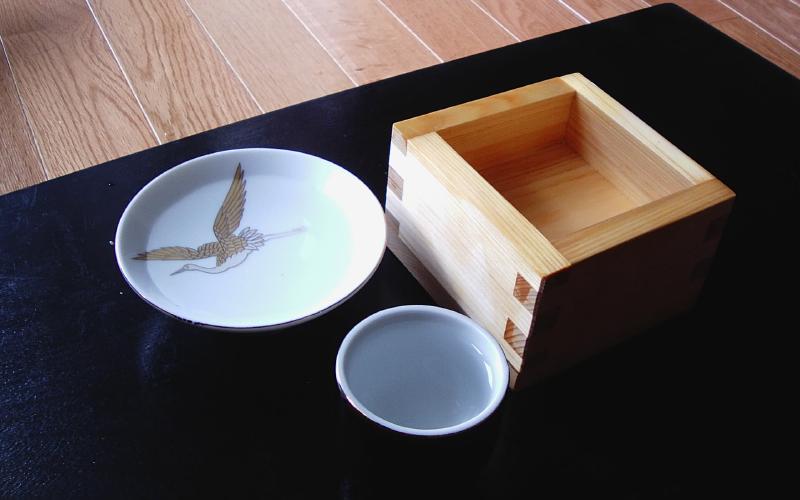 SakeVegan酒
🇯🇵 JapanJapanese alcoholic drink brewed from polished rice and kōji mold
Drink
SakeVegan酒
🇯🇵 JapanJapanese alcoholic drink brewed from polished rice and kōji mold
Drink
 KvassVeganквас
🇷🇺 Russia and 5 moreA tangy, slightly sweet fermented drink made from rye bread or flour
Drink
KvassVeganквас
🇷🇺 Russia and 5 moreA tangy, slightly sweet fermented drink made from rye bread or flour
Drink