
Dosi
In its own language: දෝසි
Fruit simmered in syrup until coated and filled with crystallised sugar
Dosi is a traditional confectionery from Sri Lanka made by simmering fruit pieces in hot sugar syrup until sweet crystals form. Enjoyed as a daytime treat or after a meal, it is also a staple offering at weddings and celebratory religious gatherings.
- The name comes from doce, the Portuguese word for sweet.
- Portuguese sailors brought the fruit-preserving technique to Sri Lanka.
- The most common variety uses winter melon, producing pale yellow sweets.
- Sri Lankan Malays traditionally serve it to mark the end of Ramadan.
What is Dosi?
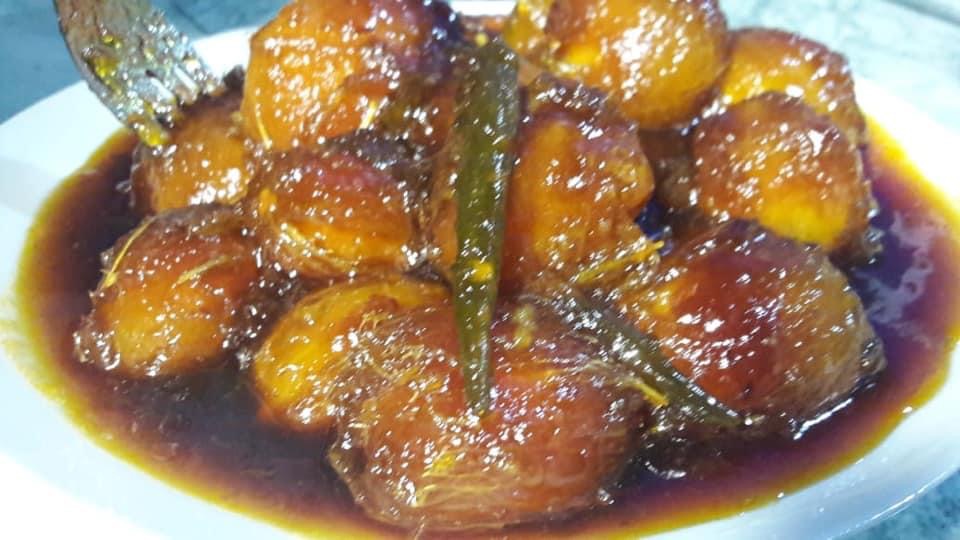
Dosi is a traditional Sri Lankan sweetmeat made by crystallising fruit with sugar. The process covers the exterior in a dry sugary crust while also sweetening the fruit flesh within. In its best-known form, it presents as pale yellow chunks of winter melon, firm and sugary. Cooks often scent the confectionery using aromatic spices such as cardamom and cinnamon, or add a dash of fragrant rose essence. It carries an intense sweetness balanced by the natural juices, textures, and tartness of the underlying produce.
Where does Dosi come from?
The sweet takes its name from doce, the Portuguese word for sweet, which itself traces back to the Latin term dolce. The preparation is widely believed to have originated in the Lusitania region of the Iberian Peninsula. Portuguese mariners brought the technique to Sri Lanka during their voyages. Seafarers originally developed this method of sugar immersion to prevent fresh provisions from decaying during prolonged ocean crossings, as high sugar concentrations draw out moisture from microbial cells and preserve the plant tissue through dehydration.
How is Dosi made?
To prepare dosi, fruit is first cut into segments. These pieces are boiled gently in a hot mixture of sugar and water. As the cooking progresses, the sugar syrup penetrates deep into the fruit flesh. The mixture is then removed from the heat and left to rest. As the fruit cools down, the concentrated syrup begins to crystallise across the outer surface and throughout the interior, creating a firm, preserved sweetmeat.
How and when is Dosi eaten?
People in Sri Lanka eat dosi at any hour of the day as a quick sugary snack, or serve it at the table as a finishing touch after lunch or dinner. Because it keeps well, it is frequently set out on platters for visiting guests during celebrations. Sri Lankan Malay households customarily prepare and share it during Eid al-Fitr to celebrate the conclusion of Ramadan. It is equally standard at wedding receptions, spiritual festivities, and other large social banquets.
Kinds of Dosi
The most widespread variety is puhul-dosi, made from winter melon, also called ash pumpkin. Numerous other plant bases can be preserved the same way. Tropical fruits such as pineapple, mango, banana, and rambutan yield sweet variations, while tart produce like gooseberries, batoko fruit, june plum, and hog plum provide a brighter flavour. Other styles include inguru-dosi made from pungent fresh ginger, pol-dosi made using grated coconut, ala-dosi prepared from potato, and kiri-dosi based on milk.
What Dosi means
Dosi occupies an enduring place in Sri Lankan celebration culture, bridging multiple communities across the island. It plays a particularly prominent role in the heritage of Sri Lankan Malays, who feature it as an essential holiday confection when marking the end of the fasting month. Its presence at local weddings and major family milestones highlights its longstanding role as an emblem of festive hospitality.
When Dosi is on the table
Questions people ask about Dosi
Where does dosi come from?
Dosi is a traditional Sri Lankan confection. Its preparation was introduced to the island by Portuguese seafarers, who used heavy sugar syrup to preserve fruit during long ocean voyages.
What is dosi made of?
It is made by simmering cut fruit in water and sugar until the syrup crystallises. Common additions include aromatic flavourings such as cinnamon, cardamom, or rose essence.
When is dosi typically eaten?
It is eaten casually during the day as a snack or directly following a meal. It is also an established holiday food during Eid al-Fitr, weddings, and communal celebrations.
Good reading and sources
The facts on this page come from the Wikipedia article "Dosi (food)", written by its contributors and used under the CC BY-SA 4.0 licence, and from its Wikidata record (CC0). EveryThali rewrote the text in its own words, with AI assistance, and compares every page with the article to make sure no passage is copied. It may be reused under the same CC BY-SA 4.0 licence with a link back.
It may contain mistakes, and it is not dietary or allergy advice: recipes differ from cook to cook. If something is wrong, tell us. Last refreshed 2026-10-04.
More from Sri Lanka
All the food of Sri Lanka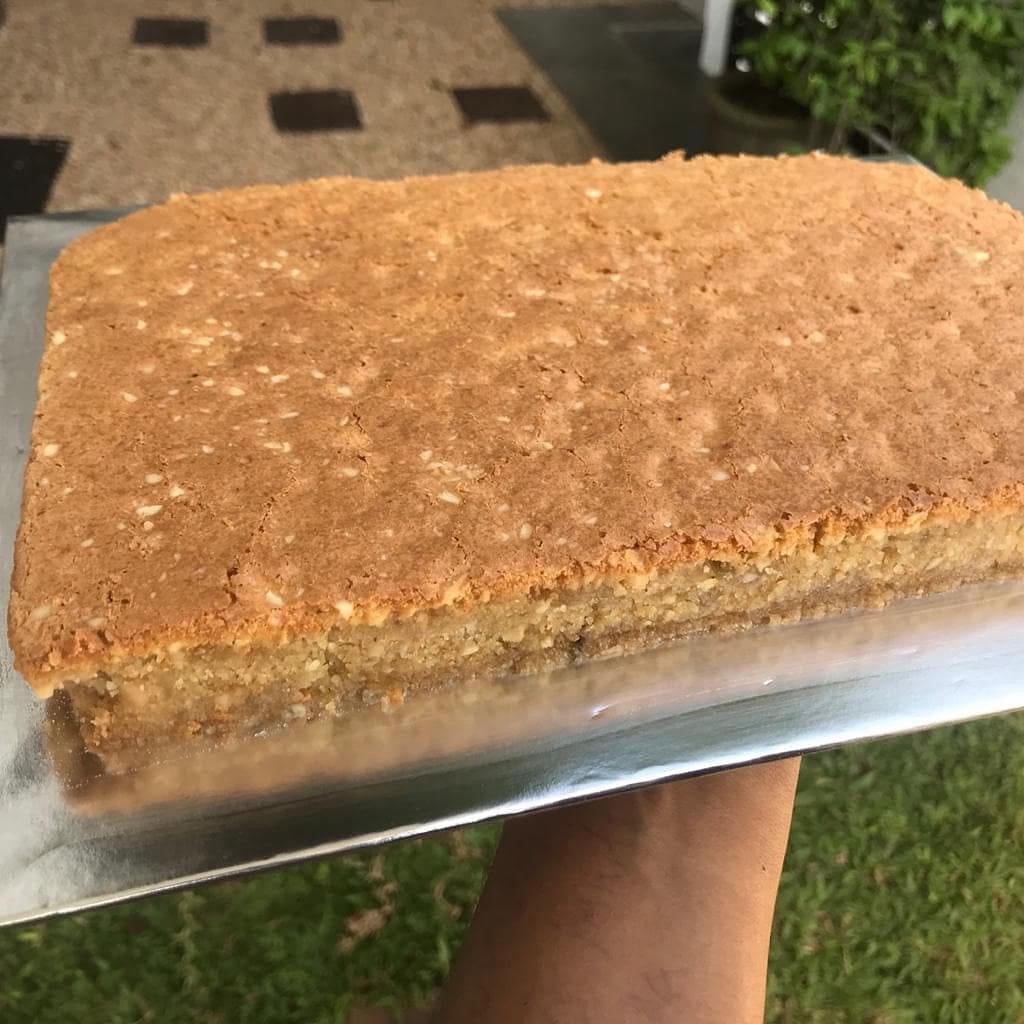 Love cakeVegetarian
🇱🇰 Sri LankaSri Lankan semolina cake with cashews, pumpkin preserve, and aromatic spices
Sweet or dessert
Love cakeVegetarian
🇱🇰 Sri LankaSri Lankan semolina cake with cashews, pumpkin preserve, and aromatic spices
Sweet or dessert
 Sambal
🇮🇩 Indonesia and 5 moreA spicy Southeast Asian paste or sauce made mainly from ground chillies
Sauce, pickle or ferment
Sambal
🇮🇩 Indonesia and 5 moreA spicy Southeast Asian paste or sauce made mainly from ground chillies
Sauce, pickle or ferment
Its cousins elsewhere
All sweets and desserts Qatayefقطايف
🇪🇬 Egypt and 5 moreSweet stuffed pancakes, folded and filled with nuts or cream, served for Ramadan
Sweet or dessert, Snacks, Tea time
Qatayefقطايف
🇪🇬 Egypt and 5 moreSweet stuffed pancakes, folded and filled with nuts or cream, served for Ramadan
Sweet or dessert, Snacks, Tea time
 Apple sauceVegan
🇺🇸 United States and 5 moreSmooth cooked apples, sometimes sweetened or spiced, eaten as a side or dessert
Sauce, pickle or ferment, Lunch, Dinner
Candy appleVegan
🇺🇸 United States and 5 moreWhole apples dipped in a hard red sugar candy shell on a stick
Sweet or dessert, Snacks
Apple sauceVegan
🇺🇸 United States and 5 moreSmooth cooked apples, sometimes sweetened or spiced, eaten as a side or dessert
Sauce, pickle or ferment, Lunch, Dinner
Candy appleVegan
🇺🇸 United States and 5 moreWhole apples dipped in a hard red sugar candy shell on a stick
Sweet or dessert, Snacks
 Mote con huesilloVegan
🇨🇱 ChileChilled Chilean drink of sweet peach nectar with wheat berries
Drink, Snacks
Mote con huesilloVegan
🇨🇱 ChileChilled Chilean drink of sweet peach nectar with wheat berries
Drink, Snacks