
Fatteh
In its own language: فتّة
Bread layered with yogurt, chickpeas and toppings, served warm across the Arab world
Fatteh is a layered dish from Egypt, the Levant, and Yemen, built on pieces of flatbread topped with ingredients like yogurt, chickpeas, and oil. Each region has its own versions, sometimes adding meat, eggplant, or nuts. Traditionally made to use up stale bread, it is eaten for breakfast or as a main meal, and features in both everyday life and festive occasions.
- Built on torn flatbread, layered with yogurt and chickpeas
- Served warm for breakfast or as a main meal
- Egyptian fatteh is a festive dish for Eid and Christmas
- Levantine versions often include tahini, nuts, or eggplant
- Yemen has both sweet and savory fatteh, including versions with dates
What is Fatteh?
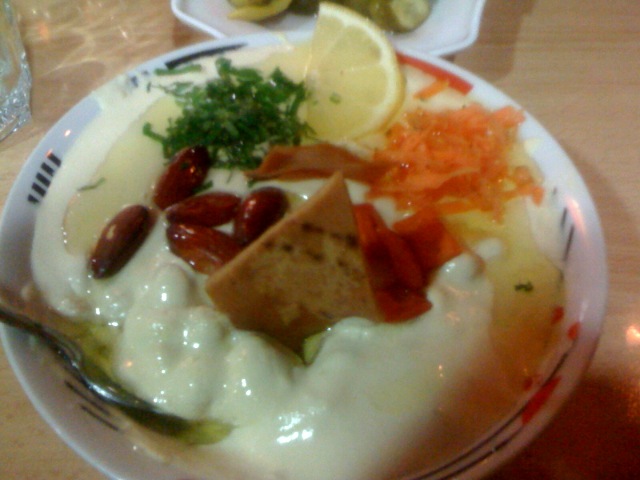
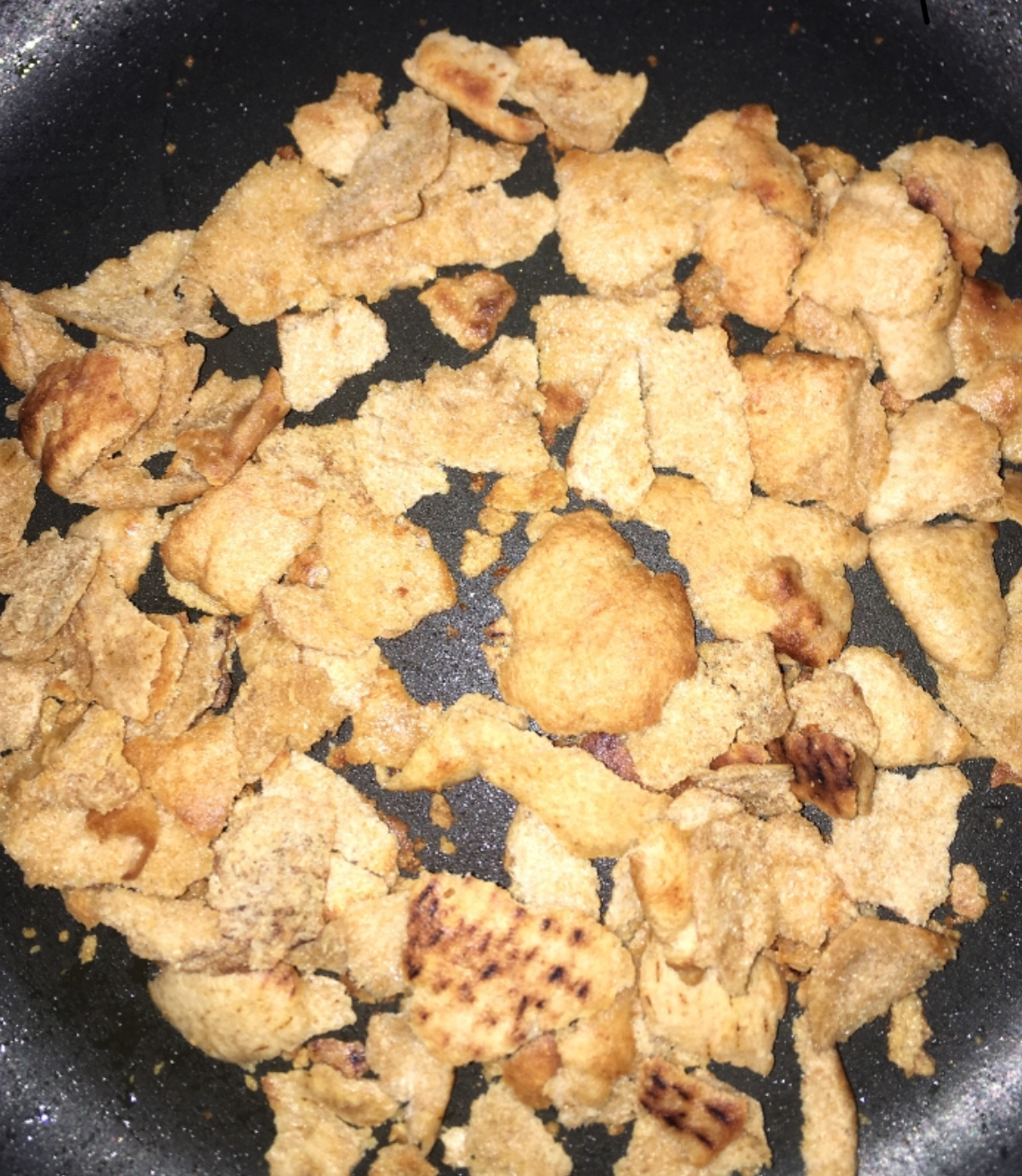
Fatteh is a dish where pieces of flatbread—fresh, toasted, grilled, or fried—form the base, layered with toppings that change from place to place. Common additions include yogurt, chickpeas, and oil, but meat, eggplant, rice, nuts, and spices can also appear. The bread soaks up the flavors, and the dish is usually served warm. Its texture is a mix of soft and crunchy, and the taste depends on the toppings, ranging from tangy yogurt to savory meat or vegetables.
Where does Fatteh come from?
Fatteh has deep roots in the Arab world and is thought by some to date back to ancient Egypt. The practice of mixing bread with other foods is old and widespread in the region. Dishes similar to fatteh are mentioned in a 10th-century Arabic cookbook, and it was popular in the Fatimid Caliphate. The name comes from the Arabic word for 'crushed' or 'crumbs,' reflecting the use of torn bread.
How is Fatteh made?
To make fatteh, bread is torn or cut and placed at the bottom of a dish. It may be toasted or used fresh. Layers of other ingredients are added on top, such as cooked chickpeas, yogurt, and sometimes a drizzle of oil. In some versions, meat, eggplant, rice, or nuts are included. The dish is assembled just before serving so the bread absorbs the flavors but does not become too soggy.


How and when is Fatteh eaten?
Fatteh is eaten for breakfast or as a main meal, depending on the region and the ingredients used. It is served warm, often in a communal dish, and can be part of both everyday meals and special occasions. In Egypt, it is a festive food for religious holidays and family celebrations. In the Levant and Yemen, it is also enjoyed at home or in gatherings, sometimes with extra toppings like nuts or meat.
Kinds of Fatteh
Each region has its own take on fatteh. In Egypt, it may include rice, garlic, vinegar, and tomato sauce, and is often served at feasts. Levantine versions, like Fattet Hummus, use chickpeas and tahini, while others add eggplant or ground meat. Yemen has both sweet and savory types, with some made from dates and honey. Iraq’s tashrib and Morocco’s rfissa are related dishes with their own local twists.
What Fatteh means
Fatteh is more than just a way to use leftover bread; it is woven into the food culture of several Arab countries. In Egypt, it marks important celebrations like Eid and Christmas. In the Levant, it is a familiar breakfast and a comfort food. The dish’s adaptability has made it a staple in home kitchens and at festive tables, reflecting local tastes and traditions.
When Fatteh is on the table
Questions people ask about Fatteh
What is fatteh made of?
Fatteh is made from pieces of flatbread layered with ingredients like yogurt, chickpeas, and oil. Depending on the region, it may also include meat, eggplant, rice, nuts, or spices.
Where does fatteh come from?
Fatteh is found across Egypt, the Levant (Syria, Lebanon, Palestine, Jordan), and Yemen. It has ancient roots and is part of traditional Arab cuisine.
Is fatteh always savory?
Most fatteh dishes are savory, but in Yemen there are sweet versions made with honey and dates.
When is fatteh usually eaten?
Fatteh is eaten for breakfast or as a main meal. In Egypt, it is also served at religious festivals and family celebrations.
Does fatteh contain meat?
Some versions include meat, such as chicken or lamb, while others are vegetarian. The ingredients vary by region and occasion.
Good reading and sources
- Fatteh: a layered dish of bread and yoghurtBBC, Article
- Middle Eastern flatbreads star in Ramadan dishes and beyondLos Angeles Times, Article
The facts on this page come from the Wikipedia article "Fatteh", written by its contributors and used under the CC BY-SA 4.0 licence, and from its Wikidata record (CC0). Thali rewrote the text in its own words, with AI assistance, and compares every page with the article to make sure no passage is copied. It may be reused under the same CC BY-SA 4.0 licence with a link back.
It may contain mistakes, and it is not dietary or allergy advice: recipes differ from cook to cook. If something is wrong, tell us. Last refreshed 2026-10-03.
More from Egypt
All the food of Egypt ShawarmaMeatشاورما
🇸🇾 Syria and 5 moreMeat roasted on a vertical spit and sliced into flatbread with sauces and vegetables
Street food, Lunch, Dinner
ShawarmaMeatشاورما
🇸🇾 Syria and 5 moreMeat roasted on a vertical spit and sliced into flatbread with sauces and vegetables
Street food, Lunch, Dinner
 Moussakaμουσακάς
🇬🇷 Greece and 5 moreBaked casserole of eggplant or potato, often layered with meat and sauce
Main dish, Lunch, Dinner
Moussakaμουσακάς
🇬🇷 Greece and 5 moreBaked casserole of eggplant or potato, often layered with meat and sauce
Main dish, Lunch, Dinner
 Freekehفريكة
🇵🇸 Palestine and 5 moreRoasted green durum wheat grains, a staple across the eastern Mediterranean
Main dish, Lunch, Dinner
Ta'ameyaVeganطعمية
🇪🇬 EgyptEgyptian fritters of fava beans and herbs, deep-fried and eaten in pita sandwiches
Street food, Breakfast, Lunch
Freekehفريكة
🇵🇸 Palestine and 5 moreRoasted green durum wheat grains, a staple across the eastern Mediterranean
Main dish, Lunch, Dinner
Ta'ameyaVeganطعمية
🇪🇬 EgyptEgyptian fritters of fava beans and herbs, deep-fried and eaten in pita sandwiches
Street food, Breakfast, Lunch
Its cousins elsewhere
All main dishes Chana masalaVegan
🇮🇳 India and 1 moreChickpeas simmered in a spiced tomato and onion sauce
Main dish, Lunch, Dinner
Chana masalaVegan
🇮🇳 India and 1 moreChickpeas simmered in a spiced tomato and onion sauce
Main dish, Lunch, Dinner
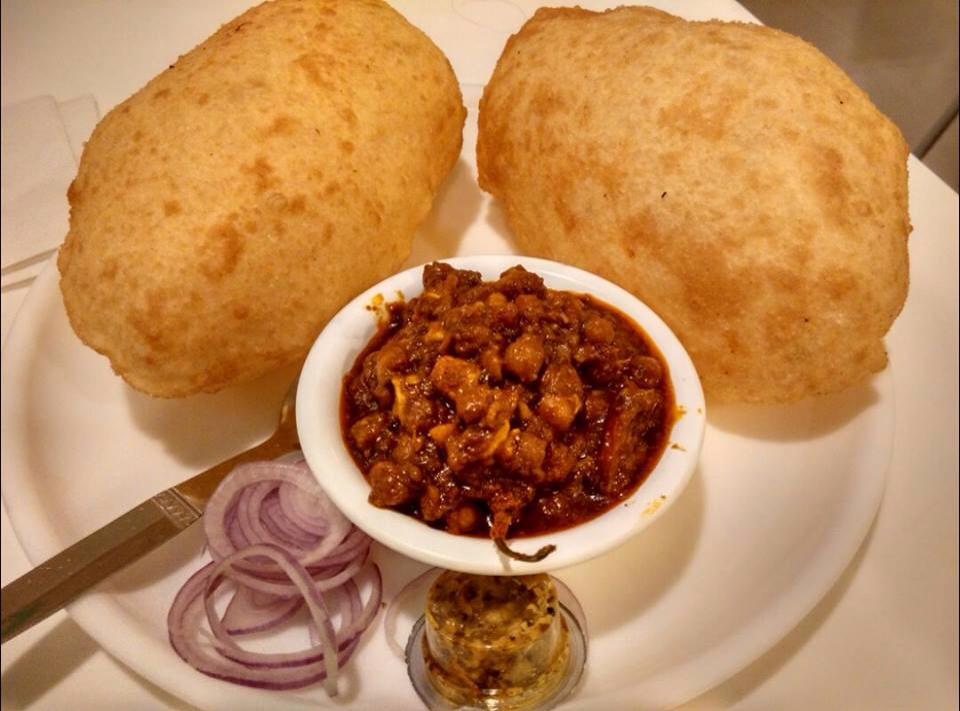 Chole bhatureVegetarian
🇮🇳 IndiaChickpea curry served with deep-fried, puffy bread
Main dish, Breakfast, Lunch
Chole bhatureVegetarian
🇮🇳 IndiaChickpea curry served with deep-fried, puffy bread
Main dish, Breakfast, Lunch
 Pizza
🇮🇹 Italy and 4 moreFlatbread topped with tomato, cheese and baked at high heat
Main dish, Lunch, Dinner
Pizza
🇮🇹 Italy and 4 moreFlatbread topped with tomato, cheese and baked at high heat
Main dish, Lunch, Dinner
 GoulashMeatgulyás
🇭🇺 Hungary and 5 moreA paprika-spiced meat and vegetable soup from Hungary
Soup, Lunch, Dinner
GoulashMeatgulyás
🇭🇺 Hungary and 5 moreA paprika-spiced meat and vegetable soup from Hungary
Soup, Lunch, Dinner