
Gallo Pinto
Rice and beans cooked together, a staple in Costa Rica and Nicaragua
Gallo pinto is a rice and bean dish central to both Costa Rican and Nicaraguan cooking. The beans, often cooked with onion, garlic and oregano, are mixed with rice and sometimes peppers or cilantro. Eaten at any meal, it is especially common at breakfast and is considered a national dish in both countries.
- Both Costa Rica and Nicaragua call gallo pinto a national dish
- The name means 'spotted rooster' in Spanish
- Costa Rican versions often use black beans and Lizano sauce
- Nicaraguan gallo pinto uses red silk beans and onions
- It is especially common at breakfast but eaten at any meal
What is Gallo Pinto?
Gallo pinto is a dish where rice and beans are cooked together, giving the rice a speckled look that inspired its name, which means 'spotted rooster' in Spanish. The beans, usually black or red depending on the region, are simmered with aromatics like onion, garlic and oregano. The finished dish may also include peppers or cilantro, and in Costa Rica, Lizano sauce is a common addition. It is served hot, often alongside eggs, cheese, tortillas or plantains.
Where does Gallo Pinto come from?
Both Costa Rica and Nicaragua claim gallo pinto as their own, and its true origin is a matter of debate. The dish has Afro-Caribbean roots and was already common on the Caribbean coast in the early 20th century. In Costa Rica, a local story links its name to a farmer's feast in San Sebastián, but this is more legend than fact. The dish spread as workers from both countries encountered it on banana plantations and brought it home.
How is Gallo Pinto made?
To make gallo pinto, beans are first cooked with onion, garlic and oregano, sometimes with peppers or other seasonings. The cooked beans and their liquid are then mixed with rice—often leftover or day-old rice, which helps keep the grains separate. In Costa Rica, black beans are common, while in Nicaragua, red silk beans are preferred. Some versions add Lizano sauce or coconut milk, and the dish is usually cooked in vegetable oil or sometimes lard.


How and when is Gallo Pinto eaten?
Gallo pinto is eaten at any time of day, but is especially popular for breakfast in Costa Rica, where it is served with eggs, fried plantains, cheese, tortillas, and sometimes natilla (a type of sour cream). In Nicaragua, it is a staple at every meal and often comes with tortilla, eggs, cheese, and chilero, a tangy slaw. It is served hot, either as a main or a side, and is found in homes, restaurants, and street stalls.
Kinds of Gallo Pinto
Regional versions differ in the type of beans and added ingredients. Costa Rica’s Valle Central style uses black beans, peppers, onions, cilantro and Lizano sauce, while Guanacaste uses red beans and more fat. Some Costa Rican recipes include coconut milk. Nicaraguan gallo pinto uses red silk beans and fewer seasonings, sometimes removing aromatics before serving. The dish is also known in Panama and Guatemala.
What Gallo Pinto means
Gallo pinto is a symbol of national identity in both Costa Rica and Nicaragua, with each country considering it a national dish. In Costa Rica, the phrase 'más tico que el gallo pinto' means 'more Costa Rican than gallo pinto.' The rivalry over its origin has led to public cooking competitions and even a 'Gallo Pinto War.' It is deeply woven into daily life, especially as a breakfast staple.
Questions people ask about Gallo Pinto
What is gallo pinto made of?
Gallo pinto is made from rice and beans cooked together, usually with onion, garlic, oregano, and sometimes peppers or cilantro. The type of bean and added seasonings can vary by region.
Where does gallo pinto come from?
Gallo pinto is central to both Costa Rican and Nicaraguan cooking, and both countries claim it as a national dish. Its origins are Afro-Caribbean, and it spread through the region in the early 20th century.
When is gallo pinto usually eaten?
Gallo pinto is eaten at any meal, but it is especially popular for breakfast in Costa Rica and Nicaragua. It is also served as a side dish at lunch or dinner and can be found in homes and restaurants.
What does gallo pinto taste like?
The dish has a savory flavor from the beans and aromatics like onion, garlic, and oregano. The taste can vary depending on the type of bean and added seasonings such as Lizano sauce or coconut milk.
Are there different versions of gallo pinto?
Yes, regional versions use different beans and seasonings. Costa Rican styles may include black beans and Lizano sauce, while Nicaraguan gallo pinto uses red silk beans and fewer ingredients.
Good reading and sources
- Encyclopaedia BritannicaArticle
- What to Eat at Costa Rica’s Dazzling Mercado CentralEater, Article
- Gallo pinto: Costa Rica rice and beansBBC, Article
The facts on this page come from the Wikipedia article "Gallo pinto", written by its contributors and used under the CC BY-SA 4.0 licence, and from its Wikidata record (CC0). Thali rewrote the text in its own words, with AI assistance, and compares every page with the article to make sure no passage is copied. It may be reused under the same CC BY-SA 4.0 licence with a link back.
It may contain mistakes, and it is not dietary or allergy advice: recipes differ from cook to cook. If something is wrong, tell us. Last refreshed 2026-10-03.
More from Costa Rica
All the food of Costa Rica Tamaletamal
🇲🇽 Mexico and 5 moreCorn dough filled and steamed in a leaf wrapper, with many regional fillings
Main dish, Breakfast, Lunch
Tamaletamal
🇲🇽 Mexico and 5 moreCorn dough filled and steamed in a leaf wrapper, with many regional fillings
Main dish, Breakfast, Lunch
 Enchilada
🇲🇽 Mexico and 4 moreCorn tortillas rolled around a filling and covered with savory sauce
Main dish, Lunch, Dinner
Enchilada
🇲🇽 Mexico and 4 moreCorn tortillas rolled around a filling and covered with savory sauce
Main dish, Lunch, Dinner
 Casado
🇨🇷 Costa RicaCosta Rican plate with rice, beans, salad, plantain, tortilla and a protein
Main dish, Lunch, Dinner
Casado
🇨🇷 Costa RicaCosta Rican plate with rice, beans, salad, plantain, tortilla and a protein
Main dish, Lunch, Dinner
 Huevos motuleños
🇲🇽 Mexico and 2 moreEggs on tortillas with black beans, cheese, and toppings from Yucatán
Main dish, Breakfast
Huevos motuleños
🇲🇽 Mexico and 2 moreEggs on tortillas with black beans, cheese, and toppings from Yucatán
Main dish, Breakfast
Its cousins elsewhere
All main dishes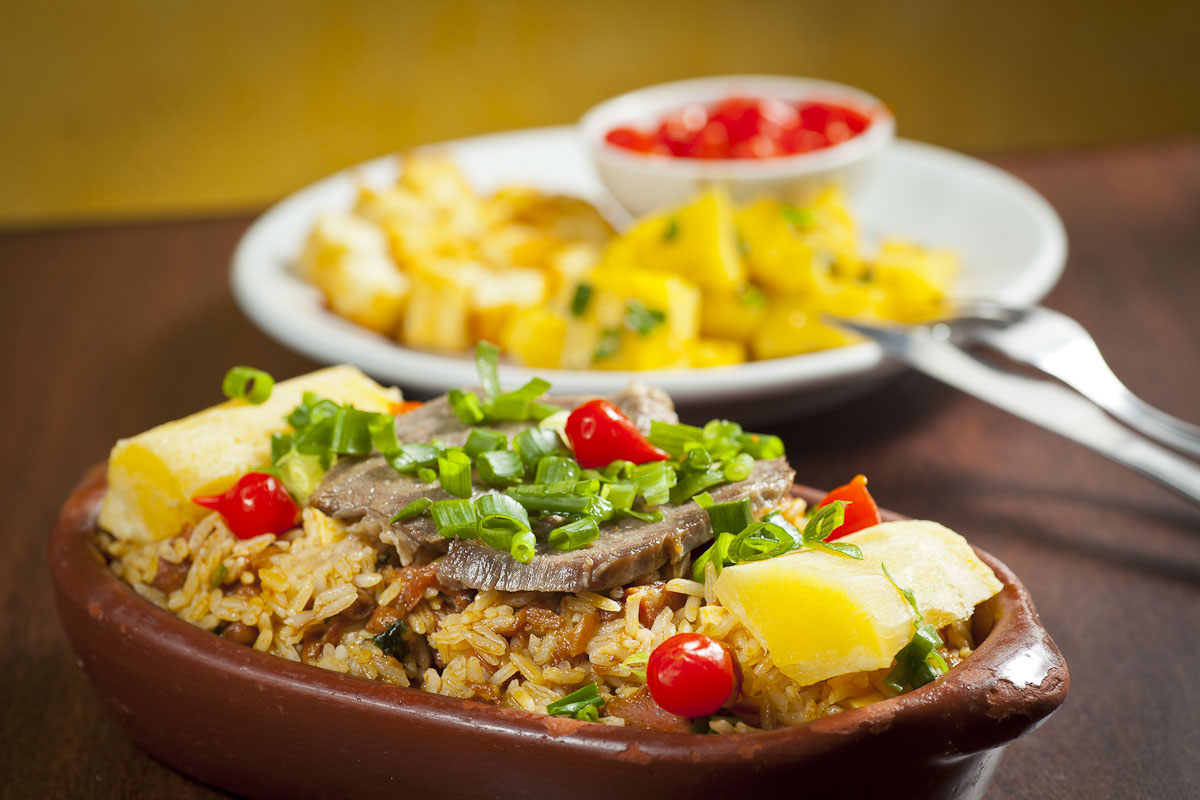 Baião de dois
🇧🇷 BrazilRice and beans cooked together, often with cheese and dried meat, from Northeast Brazil
Main dish, Dinner
Baião de dois
🇧🇷 BrazilRice and beans cooked together, often with cheese and dried meat, from Northeast Brazil
Main dish, Dinner
 Catatos
🇦🇴 AngolaFried caterpillars with garlic, a specialty from Angola's Uíge Province
Main dish, Lunch, Dinner
Catatos
🇦🇴 AngolaFried caterpillars with garlic, a specialty from Angola's Uíge Province
Main dish, Lunch, Dinner
 Phat khingMeatผัดขิง
🇹🇭 Thailand and 1 moreStir-fried ginger dish from Thailand and Laos, often made with chicken and vegetables
Main dish, Lunch, Dinner
Phat khingMeatผัดขิง
🇹🇭 Thailand and 1 moreStir-fried ginger dish from Thailand and Laos, often made with chicken and vegetables
Main dish, Lunch, Dinner
 Riz grasMeat
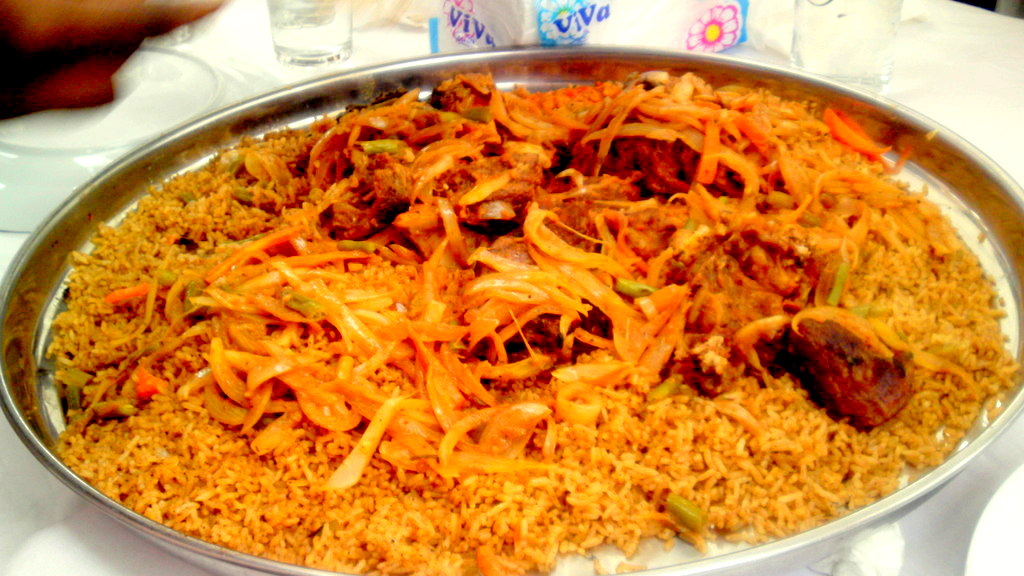
🇧🇫 Burkina Faso and 4 moreWest African rice cooked with meat and vegetables, served hot
Main dish, Lunch, Dinner
Riz grasMeat
🇧🇫 Burkina Faso and 4 moreWest African rice cooked with meat and vegetables, served hot
Main dish, Lunch, Dinner