
Pathiri
Thin rice flour flatbread from Kerala, often paired with curries
Pathiri is a soft, thin flatbread made from rice flour, traditional to the Malabar region of Kerala, India. Especially common among the Mappila Muslim community, it is usually served with meat or fish curries and sometimes enjoyed with coconut milk. Pathiri is a regular part of meals during Ramadan.
- Made from rice flour and water, shaped into thin rounds
- A staple in Malabar Muslim households of Kerala
- Often eaten with meat or fish curries
- Served during Ramadan, especially for iftar
- Has several stuffed and fried variations
What is Pathiri?
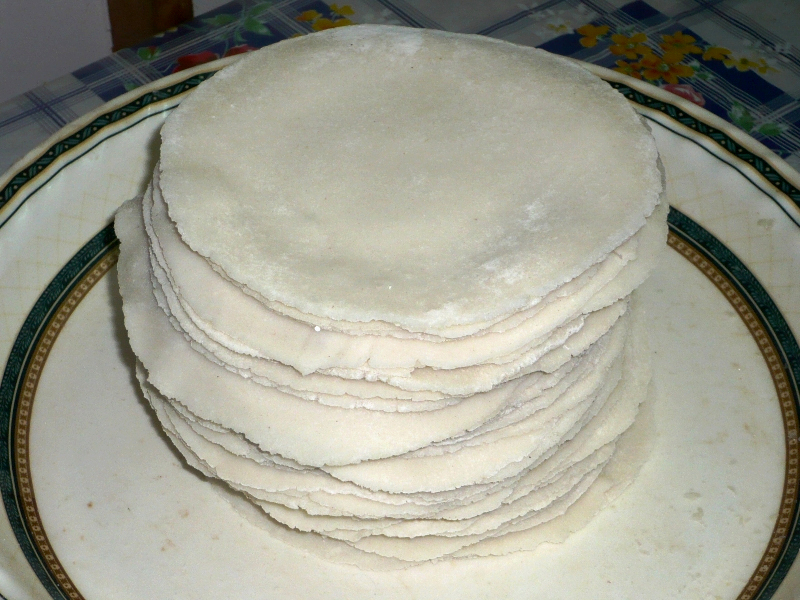
Pathiri is a flat, round bread made from rice flour, rolled out into thin circles. It is soft and light, with a pale color and a delicate texture. The bread is typically mild in flavor, making it a good match for richly spiced curries. Pathiri is a staple in the Malabar region, especially among the Mappila Muslim community, and is often stacked in piles for serving.
Where does Pathiri come from?
Pathiri has its roots in the Malabar coast of Kerala, where it became part of the local Muslim (Mappila) cuisine. The dish reflects the region’s long history of trade with Arab merchants, who influenced local food traditions. Its name is thought to come from the Arabic word 'fateer', a type of flatbread, but rice flour was used instead of wheat due to local availability. Over time, pathiri became a key part of festive and everyday meals, especially during Ramadan.
How is Pathiri made?
To make pathiri, rice flour is mixed with hot salted water and kneaded into a smooth dough. The dough is divided into small portions, each rolled out into a thin, round shape. These are cooked on a heated griddle, where they become soft and may puff slightly. The finished breads are often served in stacks, ready to be eaten with various accompaniments.
How and when is Pathiri eaten?
Pathiri is commonly served at lunch or dinner, often as an accompaniment to meat or fish curries. It is also enjoyed with coconut milk, especially during festive occasions or Ramadan. The bread’s neutral taste allows it to soak up the flavors of spicy gravies. In some households, it is eaten with sweetened coconut milk for a simple dessert.
Kinds of Pathiri
Several forms of pathiri exist in Kerala. Neypathiri is a version fried in ghee, while meen pathiri is filled with fish. Irachi pathiri uses meat as a stuffing. Chatti pathiri is a layered, baked variant. Another type, called pathal or orotti, is thicker and sometimes steamed in leaves, then served with coconut milk and sugar.
What Pathiri means
Pathiri is closely tied to the identity and food culture of Kerala’s Mappila Muslims. It is a regular feature at religious gatherings and is especially important during Ramadan, when it is served for iftar, the meal breaking the daily fast. The dish is a symbol of the blending of local and Arab influences in Malabar’s cuisine.
When Pathiri is on the table
Questions people ask about Pathiri
What is pathiri made of?
Pathiri is made using rice flour, water, and salt. The dough is rolled into thin rounds and cooked on a griddle.
Where does pathiri come from?
Pathiri is from the Malabar region in Kerala, India, and is especially popular among the Mappila Muslim community.
How is pathiri usually served?
It is typically served with meat or fish curries, and sometimes with coconut milk, especially during special occasions.
Are there different types of pathiri?
Yes, there are versions like neypathiri (fried), meen pathiri (fish-stuffed), irachi pathiri (meat-stuffed), and layered chatti pathiri.
Is pathiri eaten during any festivals?
Pathiri is an important dish during Ramadan, especially for the iftar meal that breaks the daily fast.
Good reading and sources
The facts on this page come from the Wikipedia article "Pathiri", written by its contributors and used under the CC BY-SA 4.0 licence, and from its Wikidata record (CC0). Thali rewrote the text in its own words, with AI assistance, and compares every page with the article to make sure no passage is copied. It may be reused under the same CC BY-SA 4.0 licence with a link back.
It may contain mistakes, and it is not dietary or allergy advice: recipes differ from cook to cook. If something is wrong, tell us. Last refreshed 2026-10-03.
More from India
All the food of India ChapatiVeganचपाती
🇮🇳 India and 4 moreUnleavened flatbread cooked on a griddle and served hot with meals
Bread, Breakfast, Lunch
ChapatiVeganचपाती
🇮🇳 India and 4 moreUnleavened flatbread cooked on a griddle and served hot with meals
Bread, Breakfast, Lunch
 Mangalore bunsVegetarian
🇮🇳 IndiaMildly sweet, deep-fried bread from coastal Karnataka made with banana and flour
Bread, Breakfast, Snacks
Mangalore bunsVegetarian
🇮🇳 IndiaMildly sweet, deep-fried bread from coastal Karnataka made with banana and flour
Bread, Breakfast, Snacks
 Roti canaiரொட்டி சென்னை
🇲🇾 Malaysia and 5 moreUnleavened flatbread tossed thin and cooked until crisp, served with curry or dal
Bread, Breakfast, Snacks
Roti canaiரொட்டி சென்னை
🇲🇾 Malaysia and 5 moreUnleavened flatbread tossed thin and cooked until crisp, served with curry or dal
Bread, Breakfast, Snacks
Its cousins elsewhere
All breads BaguetteVegan
🇫🇷 France and 5 moreLong, thin French bread with a crisp crust and soft interior
Bread, Breakfast, Lunch
BaguetteVegan
🇫🇷 France and 5 moreLong, thin French bread with a crisp crust and soft interior
Bread, Breakfast, Lunch
 Fry jackVegetarian
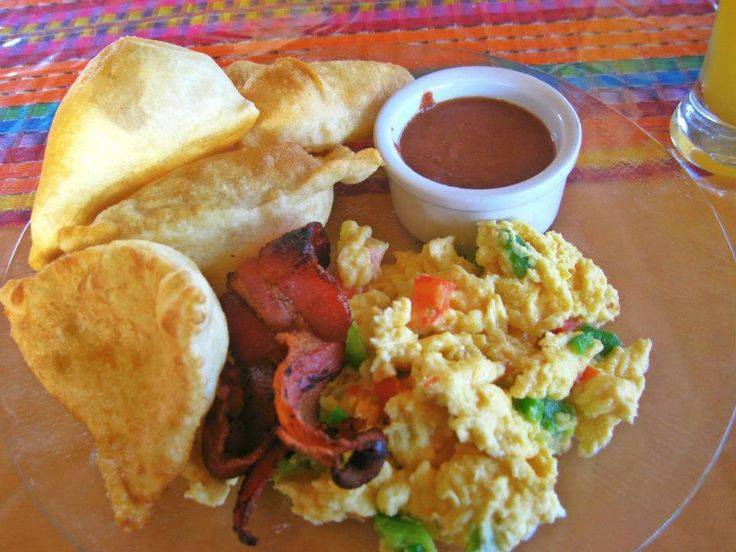
🇧🇿 BelizeDeep-fried breakfast dough from Belize, served plain or with sweet or savoury toppings
Bread, Breakfast
Fry jackVegetarian
🇧🇿 BelizeDeep-fried breakfast dough from Belize, served plain or with sweet or savoury toppings
Bread, Breakfast
 PitaVegan
🇪🇬 Egypt and 5 moreRound, leavened flatbread baked from wheat flour, common across the Middle East and Mediterranean
Bread
PitaVegan
🇪🇬 Egypt and 5 moreRound, leavened flatbread baked from wheat flour, common across the Middle East and Mediterranean
Bread
 Bagel
🇵🇱 Poland and 2 moreRing-shaped bread roll, boiled then baked for a dense, chewy texture
Bread, Breakfast, Lunch
Bagel
🇵🇱 Poland and 2 moreRing-shaped bread roll, boiled then baked for a dense, chewy texture
Bread, Breakfast, Lunch