
Obatzda
Bavarian cheese spread mixed with butter, paprika and spices
Obatzda is a cheese spread from Bavaria, Germany, made by blending aged soft cheese—usually Camembert—with butter, paprika, salt, pepper, and a splash of beer. It is a staple in Bavarian beer gardens, typically served on bread or pretzels, and was granted EU Protected Geographical Indication status in 2015.
- Made by mixing aged soft cheese and butter with paprika and spices
- Classic snack in Bavarian beer gardens
- Usually served on bread or pretzels
- Granted EU Protected Geographical Indication in 2015
What is Obatzda?
Obatzda is a creamy cheese spread from Bavaria, Germany. It is made by blending aged soft cheese, most often Camembert, with butter. The mixture is seasoned with paprika, salt, black pepper, and a little beer. Some versions include onions, garlic, horseradish, caraway seeds, or even a touch of cream cheese. The result is a smooth or slightly chunky spread, orange from the paprika, with a rich, tangy and mildly spicy flavor. It is usually served as a snack or appetizer.
Where does Obatzda come from?
Obatzda comes from Bavaria, a region in southern Germany known for its beer gardens. The spread was created as a way to use up leftover soft cheese by mixing it with butter and spices. Over time, it became a classic part of Bavarian beer garden culture. In 2015, the European Union recognized Obatzda with Protected Geographical Indication (PGI) status, meaning only versions made in Bavaria can use the name within the EU.
How is Obatzda made?
To make Obatzda, aged soft cheese such as Camembert is mashed and mixed with butter. Paprika powder, salt, and black pepper are added for seasoning, along with a small amount of beer to loosen the mixture. Optional ingredients like onions, garlic, horseradish, caraway seeds, or cream cheese can be included for extra flavor. The ingredients are combined until the spread reaches the desired consistency—either smooth or with some texture.

How and when is Obatzda eaten?
Obatzda is most often eaten as a spread on slices of bread or traditional Bavarian pretzels. It is a popular snack in beer gardens, where it is served alongside cold beer. The spread is usually garnished with sliced onions or chives. Obatzda is enjoyed as a light meal or snack, especially in social settings, and is a familiar sight at gatherings and casual meals in Bavaria.
Kinds of Obatzda
While Camembert is the usual cheese, Romadur or other similar soft cheeses can be used. Some recipes add cream or cream cheese for a milder taste. The spice mix can vary, with sweet or hot paprika, and additions like horseradish or caraway. A related spread called Liptauer is found in Austria, Hungary, and Slovakia, using curd cheese instead of Camembert and butter, but with similar spices.
What Obatzda means
Obatzda is closely tied to Bavarian beer garden culture, where it is a traditional snack. Its PGI status reflects its importance as a regional specialty. The spread is a symbol of Bavarian hospitality and is commonly found at local gatherings. Its presence in beer gardens and festivals highlights its role in social and culinary traditions of southern Germany.
Questions people ask about Obatzda
What is Obatzda made of?
Obatzda is made by blending aged soft cheese, usually Camembert, with butter, paprika, salt, black pepper, and a small amount of beer. Optional ingredients include onions, garlic, horseradish, caraway seeds, and cream cheese.
Where does Obatzda come from?
Obatzda comes from Bavaria, a region in southern Germany. It is a traditional part of Bavarian beer garden food culture.
How is Obatzda usually eaten?
Obatzda is typically spread on bread or pretzels and served as a snack, especially in beer gardens. It is often garnished with onions or chives.
Is Obatzda vegetarian?
Yes, Obatzda is vegetarian as it is made from cheese, butter, and spices, with no meat or fish.
Does Obatzda have any protected status?
Yes, since 2015, Obatzda has been protected under the EU's Protected Geographical Indication scheme, meaning only versions made in Bavaria can use the name within the EU.
Good reading and sources
The facts on this page come from the Wikipedia article "Obatzda", written by its contributors and used under the CC BY-SA 4.0 licence, and from its Wikidata record (CC0). Thali rewrote the text in its own words, with AI assistance, and compares every page with the article to make sure no passage is copied. It may be reused under the same CC BY-SA 4.0 licence with a link back.
It may contain mistakes, and it is not dietary or allergy advice: recipes differ from cook to cook. If something is wrong, tell us. Last refreshed 2026-10-03.
More from Germany
All the food of Germany SauerkrautVegan
🇩🇪 Germany and 5 moreFinely shredded cabbage preserved by natural fermentation in salt
Sauce, pickle or ferment, Lunch, Dinner
SauerkrautVegan
🇩🇪 Germany and 5 moreFinely shredded cabbage preserved by natural fermentation in salt
Sauce, pickle or ferment, Lunch, Dinner
 HandkäseVegetarian
🇩🇪 GermanySmall sour milk cheese from Hesse, Germany, often served with onions and caraway
Cheese or dairy food, Snacks
HandkäseVegetarian
🇩🇪 GermanySmall sour milk cheese from Hesse, Germany, often served with onions and caraway
Cheese or dairy food, Snacks
 Soured milkVegetarian
🇷🇺 Russia and 5 moreMilk thickened and preserved by natural fermentation with wild bacteria
Sauce, pickle or ferment
Soured milkVegetarian
🇷🇺 Russia and 5 moreMilk thickened and preserved by natural fermentation with wild bacteria
Sauce, pickle or ferment
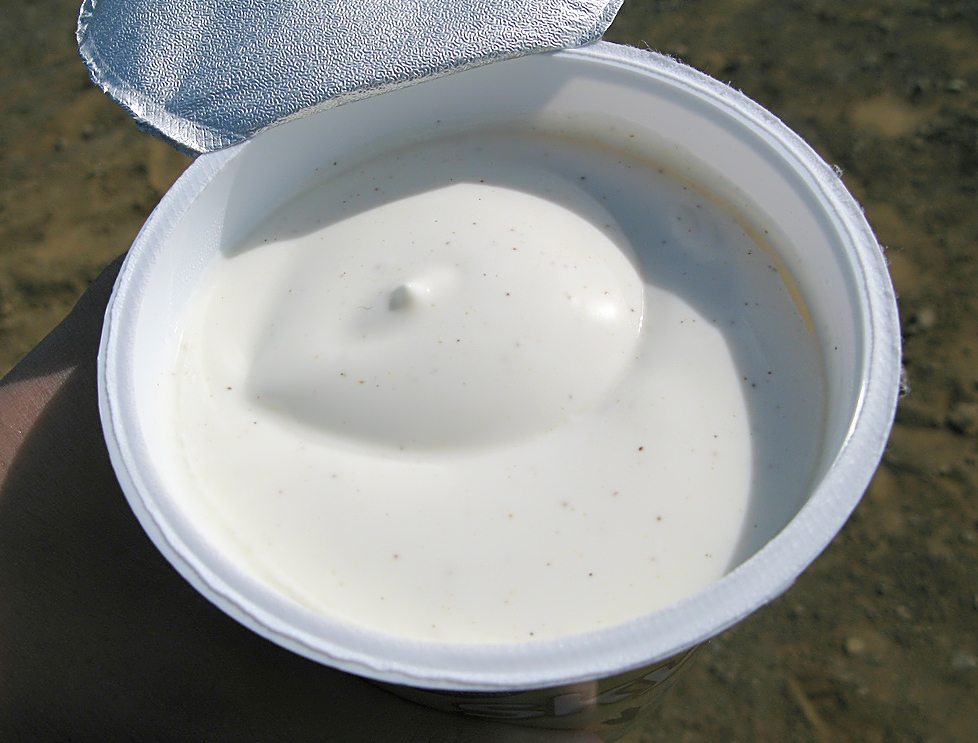 SkyrVegetarian
🇮🇸 Iceland and 3 moreIcelandic cultured dairy with a thick, mild taste, eaten like yogurt
Sauce, pickle or ferment, Breakfast, Snacks
SkyrVegetarian
🇮🇸 Iceland and 3 moreIcelandic cultured dairy with a thick, mild taste, eaten like yogurt
Sauce, pickle or ferment, Breakfast, Snacks
Its cousins elsewhere
All cheese and dairy Halloumi
🇨🇾 CyprusA firm, brined cheese from Cyprus that can be grilled or fried without melting
Cheese or dairy food
Halloumi
🇨🇾 CyprusA firm, brined cheese from Cyprus that can be grilled or fried without melting
Cheese or dairy food
 Kashk
🇮🇷 Iran and 6 moreDried or fermented dairy, sometimes with grain, shaped and stored for later use
Cheese or dairy food
Kashk
🇮🇷 Iran and 6 moreDried or fermented dairy, sometimes with grain, shaped and stored for later use
Cheese or dairy food
 Beyaz peynir
🇹🇷 TurkeyA brined white cheese from Turkey, made from sheep, cow or goat milk
Cheese or dairy food, Breakfast, Lunch
Beyaz peynir
🇹🇷 TurkeyA brined white cheese from Turkey, made from sheep, cow or goat milk
Cheese or dairy food, Breakfast, Lunch
 ProvoletaVegetarian
🇦🇷 ArgentinaArgentine pulled-curd cheese grilled and served at barbecues
Cheese or dairy food, Dinner
ProvoletaVegetarian
🇦🇷 ArgentinaArgentine pulled-curd cheese grilled and served at barbecues
Cheese or dairy food, Dinner