
Serundeng
In its own language: ꦱꦿꦸꦤ꧀ꦢꦺꦁ
Spiced grated coconut, toasted and used as a topping or side in Indonesian dishes
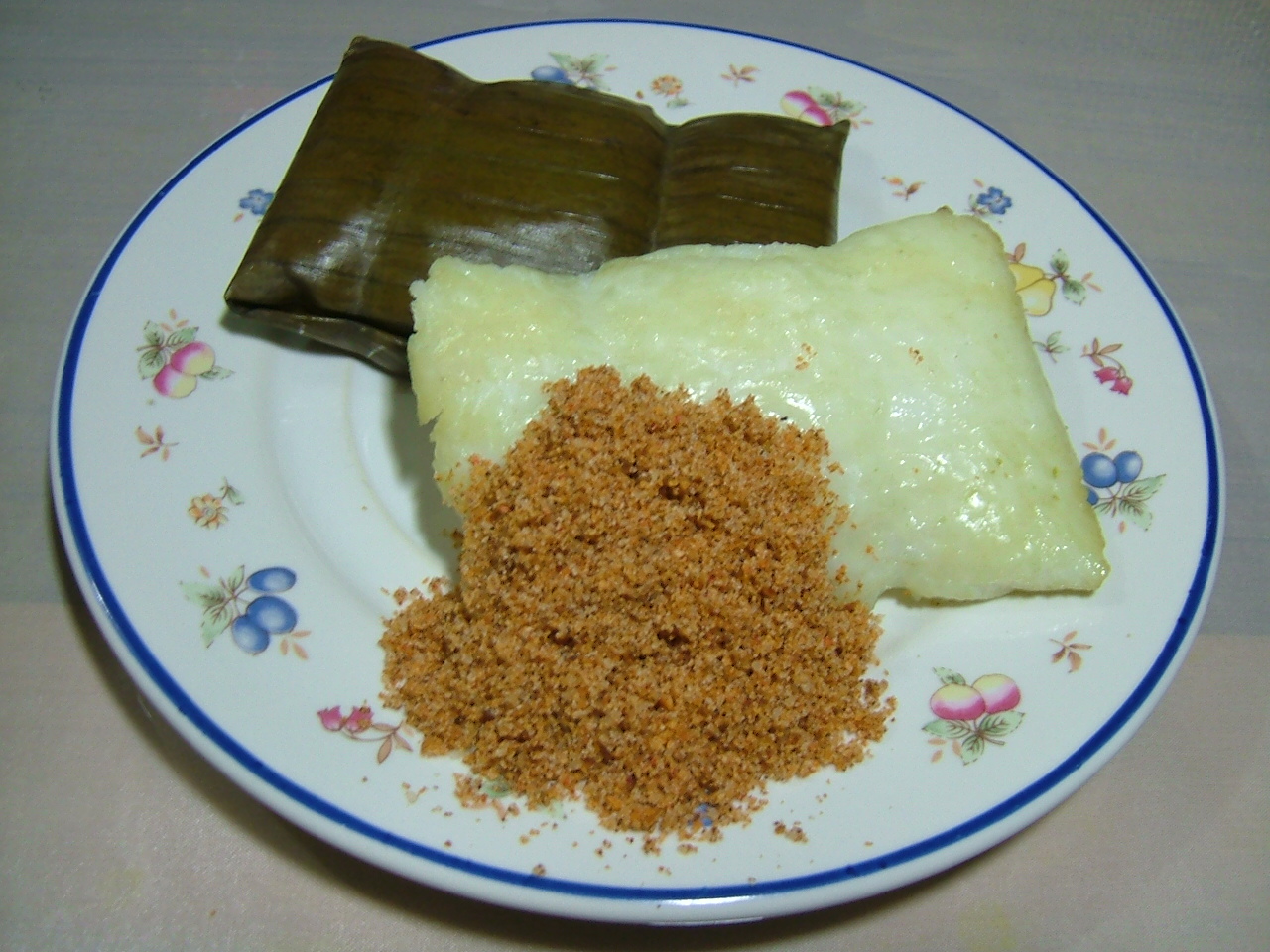
Serundeng is a Javanese side dish or condiment from Indonesia, made by sautéing grated coconut with spices. It is used to top rice, soups, and sticky rice, or mixed with beef as a main dish. The flavor can be sweet or spicy, depending on the recipe, and it is served at room temperature.
- Made from freshly grated and toasted coconut mixed with spices
- Used as a topping for rice, sticky rice, and soups
- Can be sweet or spicy depending on the recipe
- Sometimes mixed with beef to make serundeng daging
- Popular in Java, Jakarta, and South Sulawesi
What is Serundeng?
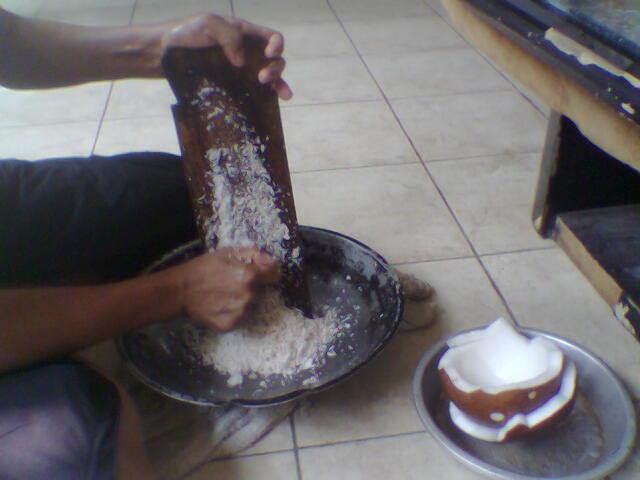
Serundeng is a dish of grated coconut that has been toasted and mixed with a blend of spices. The coconut is usually freshly grated from young, firm coconuts, giving it a rich taste and a chewy texture. The spice mixture can include galangal (a root similar to ginger), lemongrass, bay leaf, coriander seed, shallot, garlic, turmeric, and palm sugar, which together create a sweet or spicy flavor. Sometimes, roasted peanuts are added for crunch. The result is a golden-brown, fragrant topping or side, often used to add texture and taste to rice, soups, or sticky rice.
Where does Serundeng come from?
Serundeng comes from Java in Indonesia, where it is part of Javanese cooking. It is also found in other Indonesian regions like Jakarta and South Sulawesi, each with their own uses and flavors. The dish is traditionally made with freshly grated coconut, which is preferred over coconut left from making coconut milk. In Malaysia, a similar-sounding word, serunding, refers to meat floss, but in Indonesia, serundeng always means spiced coconut. The dish has spread across Indonesia and is now a common addition to many local meals.
How is Serundeng made?
To make serundeng, a paste is first prepared by grinding together spices such as shallot, garlic, chili, coriander, turmeric, galangal, and sometimes tamarind, bay leaf, and lime leaf. This paste is fried until aromatic. Freshly grated coconut is then added and sautéed, often with little or no oil, until it turns golden brown. Palm sugar is included for sweetness, and sometimes roasted peanuts are mixed in. The mixture is cooked until dry and crumbly, ready to be used as a topping or mixed with other foods.
How and when is Serundeng eaten?
Serundeng is served at room temperature, often as a topping for steamed rice, sticky rice, or rice cakes like lontong and burasa. It is also sprinkled over soups such as soto. In some cases, it is mixed with fried beef to make serundeng daging, which can be a main dish. Serundeng is eaten at lunch or dinner, or as a snack, and is a familiar part of everyday meals in Indonesia. Its sweet or spicy taste complements the mildness of rice-based dishes.
Kinds of Serundeng
There are several regional versions of serundeng in Indonesia. In Java, beef serundeng is popular and tends to be sweet due to the use of coconut sugar. In Jakarta (Betawi cuisine) and South Sulawesi (Makassar cuisine), serundeng is used as a dry condiment for dishes like soto, ketan, or burasa. While in Indonesia serundeng is coconut-based, in Malaysia the word serunding usually refers to meat floss, which may or may not include coconut.
What Serundeng means
Serundeng is a common feature in Indonesian meals, valued for its ability to add flavor and texture to everyday dishes. It is not tied to any particular festival or religious occasion, but rather is enjoyed as a regular part of home cooking. Its use as a garnish or side dish reflects the Indonesian habit of combining different tastes and textures in a meal. The dish is also an example of how coconut is used in many forms in Indonesian cuisine.
Questions people ask about Serundeng
What is serundeng made of?
Serundeng is made from freshly grated coconut that is toasted and mixed with spices such as galangal, lemongrass, bay leaf, coriander seed, shallot, garlic, turmeric, palm sugar, and sometimes roasted peanuts.
Where does serundeng come from?
Serundeng originates from Java in Indonesia and is part of Javanese cuisine. It is also found in other Indonesian regions like Jakarta and South Sulawesi.
How is serundeng usually eaten?
Serundeng is typically used as a topping or side for rice, sticky rice, rice cakes, or soups. It can also be mixed with fried beef to make a main dish called serundeng daging.
Is serundeng sweet or spicy?
Serundeng can be either sweet or hot and spicy, depending on the recipe and the amount of sugar or chili used.
What is the difference between serundeng and serunding?
In Indonesia, serundeng refers to spiced grated coconut, while in Malaysia, serunding usually means meat floss, which may or may not include coconut.
Good reading and sources
The facts on this page come from the Wikipedia article "Serundeng", written by its contributors and used under the CC BY-SA 4.0 licence, and from its Wikidata record (CC0). Thali rewrote the text in its own words, with AI assistance, and compares every page with the article to make sure no passage is copied. It may be reused under the same CC BY-SA 4.0 licence with a link back.
It may contain mistakes, and it is not dietary or allergy advice: recipes differ from cook to cook. If something is wrong, tell us. Last refreshed 2026-10-03.
More from Indonesia
All the food of Indonesia Biryani
🇮🇳 India and 5 moreRice and spiced meat or vegetables layered and cooked together
Main dish, Lunch, Dinner
Biryani
🇮🇳 India and 5 moreRice and spiced meat or vegetables layered and cooked together
Main dish, Lunch, Dinner
 Roti canaiரொட்டி சென்னை
🇲🇾 Malaysia and 5 moreUnleavened flatbread tossed thin and cooked until crisp, served with curry or dal
Bread, Breakfast, Snacks
Roti canaiரொட்டி சென்னை
🇲🇾 Malaysia and 5 moreUnleavened flatbread tossed thin and cooked until crisp, served with curry or dal
Bread, Breakfast, Snacks
 BreadfruitVegan
🇵🇭 Philippines and 4 moreLarge tropical fruit cooked as a starchy staple in many island cuisines
Main dish, Lunch, Dinner
BreadfruitVegan
🇵🇭 Philippines and 4 moreLarge tropical fruit cooked as a starchy staple in many island cuisines
Main dish, Lunch, Dinner
Its cousins elsewhere
All main dishes GoulashMeatgulyás
🇭🇺 Hungary and 5 moreA paprika-spiced meat and vegetable soup from Hungary
Soup, Lunch, Dinner
GoulashMeatgulyás
🇭🇺 Hungary and 5 moreA paprika-spiced meat and vegetable soup from Hungary
Soup, Lunch, Dinner
 Peanut stew
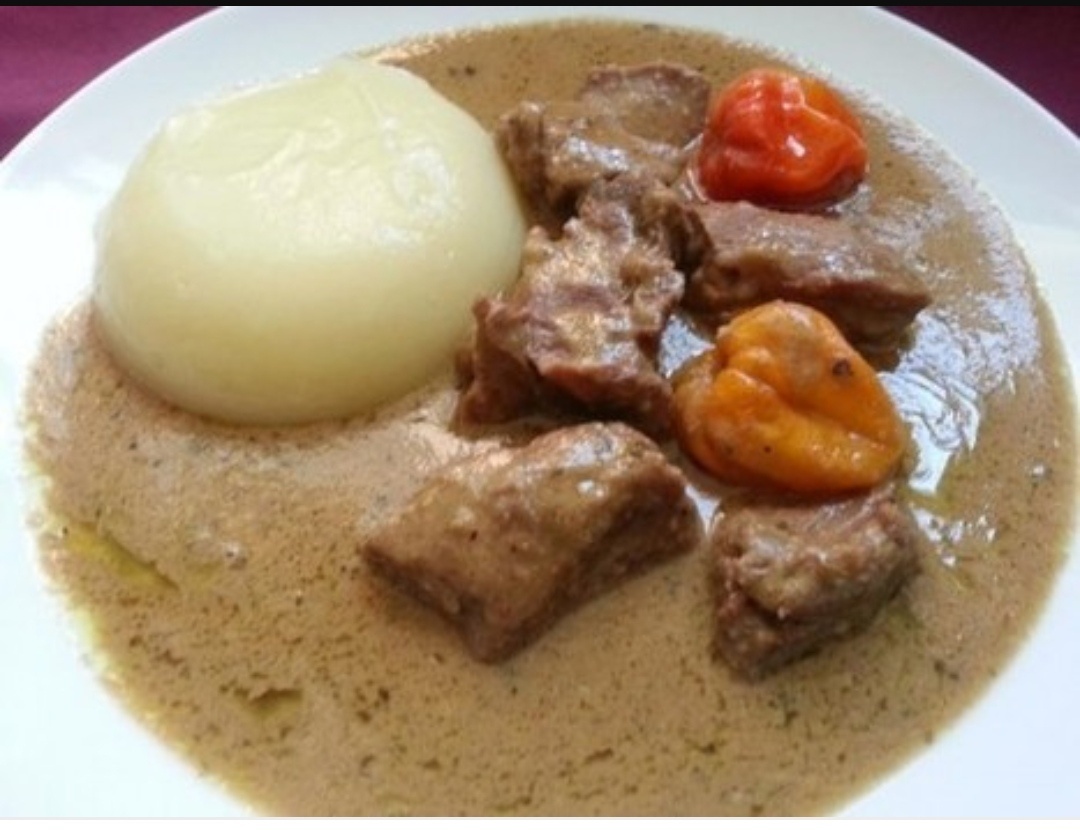
🇸🇳 Senegal and 5 moreA rich West African stew of meat and vegetables in a spiced peanut sauce
Stew or curry, Lunch, Dinner
Peanut stew
🇸🇳 Senegal and 5 moreA rich West African stew of meat and vegetables in a spiced peanut sauce
Stew or curry, Lunch, Dinner
 Chicken tikka masalaMeat
🇬🇧 United Kingdom and 4 moreRoasted marinated chicken in a creamy, spiced tomato-based sauce
Main dish, Lunch, Dinner
Chicken tikka masalaMeat
🇬🇧 United Kingdom and 4 moreRoasted marinated chicken in a creamy, spiced tomato-based sauce
Main dish, Lunch, Dinner
 Coq au vinMeat
🇫🇷 FranceFrench chicken braised slowly in red wine with lardons and mushrooms
Main dish, Lunch, Dinner
Coq au vinMeat
🇫🇷 FranceFrench chicken braised slowly in red wine with lardons and mushrooms
Main dish, Lunch, Dinner