
Shirin polo
Persian rice pilaf with saffron, nuts, and dried fruits for festive occasions
Shirin polo is a festive Persian rice dish, especially popular at weddings and holidays. Long-grain rice is cooked with saffron or turmeric and layered with a mix of nuts and dried fruits. It is enjoyed in Iran and by Persian Jewish communities during special celebrations.
- A classic Persian rice pilaf for weddings and holidays
- Topped with a mix of nuts and dried fruits
- Served by Persian Jews at Purim, Pesach, and Rosh Hashanah
- Often features a crispy rice crust called tahdig
- Commonly paired with spiced baked chicken
What is Shirin polo?
Shirin polo is a pilaf from Iran, made by steaming long-grain rice and mixing it with saffron or turmeric for color and aroma. The finished rice is decorated with a generous layer of nuts—such as pistachios, almonds, walnuts, or hazelnuts—and dried fruits, which may include prunes or orange peel. Sometimes, the rice is cooked to form a golden, crispy crust called tahdig, which is served on top or alongside. The dish is known for its vibrant colors and sweet-savory flavors.
Where does Shirin polo come from?
This dish comes from Iran and is closely tied to Persian celebrations. It is a simpler version of morassa' polo, which is also known as jeweled rice. Shirin polo has become a traditional centerpiece at weddings and is also important in Persian Jewish communities, where it is made for holidays like Purim, Pesach, and Rosh Hashanah. Over time, it has become a symbol of joy and festivity in both Iranian and Jewish culinary traditions.
How is Shirin polo made?
To prepare shirin polo, rice is first soaked and parboiled, then drained and steamed with oil and a touch of saffron or turmeric. The nuts and dried fruits are sometimes chopped, sometimes left whole, and are used as a topping after the rice is cooked. Some cooks create a tahdig, a crunchy layer at the bottom of the pot, which is carefully removed and placed on the serving platter. The dish is then arranged so the colorful toppings are visible.


How and when is Shirin polo eaten?
Shirin polo is served hot, often as the centerpiece of a festive meal. It is especially common at weddings and during Jewish and Muslim holidays. In some homes, it is paired with spiced baked chicken. The dish is usually presented on a large platter, with the toppings arranged to be visually striking. It is shared among family and guests, marking moments of celebration and togetherness.
Kinds of Shirin polo
While the core of shirin polo is rice with nuts and dried fruit, the choice of toppings can vary. Some versions use more orange peel, while others highlight different nuts or fruits, depending on what is available or preferred locally. The method of preparing tahdig may also differ, with some cooks making it thicker or thinner. These small changes reflect personal and regional tastes.
What Shirin polo means
Shirin polo is more than just a meal; it marks important life events and holidays. In Iranian culture, it is a classic wedding dish, symbolizing joy and abundance. For Persian Jews, it is a key part of holiday meals, especially during Purim, Pesach, and Rosh Hashanah. It is also served at iftar during Ramadan. The dish’s bright appearance and rich flavors make it a favorite at gatherings.
When Shirin polo is on the table
Questions people ask about Shirin polo
What is shirin polo made of?
It is made from long-grain rice, saffron or turmeric, cooking oil, salt, and a variety of nuts and dried fruits. Orange peel is sometimes added for extra flavor.
Where does shirin polo come from?
Shirin polo is from Iran and is especially associated with Persian celebrations and Jewish holidays.
When is shirin polo usually eaten?
It is served at weddings, major Jewish holidays like Purim, Pesach, and Rosh Hashanah, and during Ramadan for iftar.
How is shirin polo cooked?
The rice is soaked, boiled, and then steamed with saffron or turmeric. After cooking, it is topped with nuts and dried fruits, and sometimes a crispy rice crust called tahdig.
Is shirin polo vegetarian?
Yes, shirin polo is vegetarian, as it contains no meat or fish. It is often served with chicken, but the rice itself is meat-free.
Good reading and sources
The facts on this page come from the Wikipedia article "Shirin polo", written by its contributors and used under the CC BY-SA 4.0 licence, and from its Wikidata record (CC0). Thali rewrote the text in its own words, with AI assistance, and compares every page with the article to make sure no passage is copied. It may be reused under the same CC BY-SA 4.0 licence with a link back.
It may contain mistakes, and it is not dietary or allergy advice: recipes differ from cook to cook. If something is wrong, tell us. Last refreshed 2026-10-03.
More from Iran
All the food of Iran Kebabكَبَاب
🇹🇷 Turkey and 5 moreGrilled or roasted meat, often on skewers, found across the Middle East and beyond
Main dish, Lunch, Dinner
Kebabكَبَاب
🇹🇷 Turkey and 5 moreGrilled or roasted meat, often on skewers, found across the Middle East and beyond
Main dish, Lunch, Dinner
 Pilaf
🇺🇿 Uzbekistan and 5 moreRice cooked in stock with spices, meat or vegetables, with each grain kept separate
Main dish, Lunch, Dinner
Pilaf
🇺🇿 Uzbekistan and 5 moreRice cooked in stock with spices, meat or vegetables, with each grain kept separate
Main dish, Lunch, Dinner
 Khoresh bademjanخورش بادمجان
🇮🇷 IranPersian stew of eggplant, tomato, lamb, and tart fruit, served with rice
Stew or curry, Lunch, Dinner
Khoresh bademjanخورش بادمجان
🇮🇷 IranPersian stew of eggplant, tomato, lamb, and tart fruit, served with rice
Stew or curry, Lunch, Dinner
 Kabab koobidehMeatکباب کوبیده
🇮🇷 IranIranian skewered kebab of ground lamb or beef mixed with onion and spices
Main dish, Lunch, Dinner
Kabab koobidehMeatکباب کوبیده
🇮🇷 IranIranian skewered kebab of ground lamb or beef mixed with onion and spices
Main dish, Lunch, Dinner
Its cousins elsewhere
All main dishes Paella
🇪🇸 Spain and 1 moreRice cooked with meat, seafood or vegetables in a wide shallow pan from Valencia
Main dish, Lunch
Paella
🇪🇸 Spain and 1 moreRice cooked with meat, seafood or vegetables in a wide shallow pan from Valencia
Main dish, Lunch
 QifqiVegetarian
🇦🇱 AlbaniaHerbed rice balls from Gjirokastër, shaped and fried in a special pan
Main dish, Lunch, Dinner
QifqiVegetarian
🇦🇱 AlbaniaHerbed rice balls from Gjirokastër, shaped and fried in a special pan
Main dish, Lunch, Dinner
 Tajineطاجين
🇲🇦 Morocco and 4 moreNorth African stew slow-cooked in a cone-lidded clay pot
Main dish, Lunch, Dinner
Tajineطاجين
🇲🇦 Morocco and 4 moreNorth African stew slow-cooked in a cone-lidded clay pot
Main dish, Lunch, Dinner
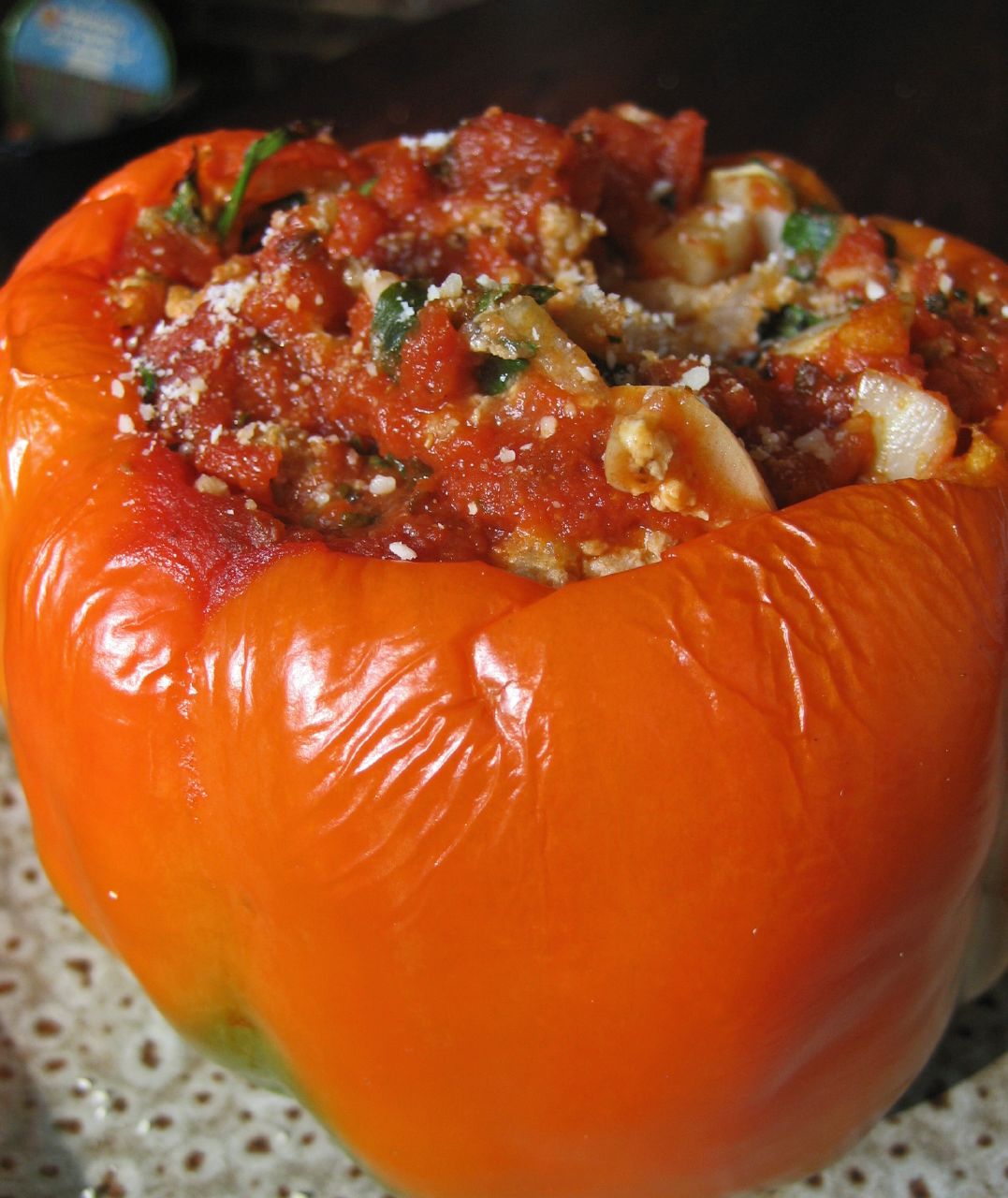 Stuffing
🇺🇸 United States and 1 moreA seasoned mixture used to fill meat, poultry, seafood, or vegetables before cooking
Main dish, Dinner
Stuffing
🇺🇸 United States and 1 moreA seasoned mixture used to fill meat, poultry, seafood, or vegetables before cooking
Main dish, Dinner