
Weisswurst
In its own language: Weißwurst
Mild veal and pork sausages gently cooked and served warm, a Bavarian morning tradition
Weisswurst is a pale sausage from Bavaria, made mainly with veal and pork, and seasoned with herbs and spices. Typically eaten in the morning or before noon, it is gently heated in water and served with sweet mustard and pretzels. A similar sausage, biała kiełbasa, is found in Poland, especially at Easter.
- Weisswurst is made fresh daily and spoils quickly
- Traditionally eaten before noon in Bavaria
- Served with sweet mustard and pretzels
- Polish biała kiełbasa is similar but made with pork
- Weisswurst is gently heated, not boiled or smoked
What is Weisswurst?
Weisswurst is a sausage with a pale color, made mostly from finely ground veal and pork. It is seasoned with a mix of herbs and spices such as parsley, lemon, mace, onion, ginger, and cardamom. The sausage is plump, about the length of a hand, and has a mild, delicate flavor. Its casing is made from pork and is usually removed before eating. When cooked, the sausage turns white, giving it its name.
Where does Weisswurst come from?
Weisswurst is closely linked to Bavaria in southern Germany, where it has long been a morning specialty. The sausage was traditionally made fresh each day, as it spoils quickly without smoking or curing. In Poland, a related sausage called biała kiełbasa has been made since at least the 17th century, especially in the Greater Poland region. While both sausages share a similar look and preparation, the Polish version uses only pork and is tied to Easter celebrations.
How is Weisswurst made?
To make Weisswurst, veal and pork are finely minced and mixed with fresh herbs and spices. The mixture is stuffed into pork casings and shaped into short, thick sausages. These are not smoked or preserved, so they must be cooked soon after being made. The sausages are gently heated in hot water, not boiled, until they become white and firm. They are served in the cooking water to keep them warm.


How and when is Weisswurst eaten?
Weisswurst is usually eaten in the morning or before lunch, often with sweet Bavarian mustard and soft pretzels. The sausages are brought to the table in a bowl with their hot water. People remove the casing before eating, sometimes by sucking the meat out, or by cutting and peeling it. In Poland, biała kiełbasa is eaten at Easter, often with horseradish or in sour rye soup, and is sometimes included in food baskets for blessing.
Kinds of Weisswurst
In Bavaria, the classic Weisswurst recipe uses veal and pork, but the balance of spices may vary. In Poland, biała kiełbasa is made with pork shoulder, neck fat, and sometimes a little beef, and is flavored with garlic, black pepper, and marjoram. The Polish sausage is often roasted or cooked in soup, especially at Easter, while the Bavarian version is always gently heated in water.
What Weisswurst means
Weisswurst is a symbol of Bavarian food culture, with customs about when and how it should be eaten. There is a saying that the sausage should not be eaten after the church bells ring at noon. In Poland, biała kiełbasa is an important part of Easter meals and is placed in baskets for blessing, representing abundance. The term 'Weisswurstäquator' jokingly marks the cultural boundary between Bavaria and other parts of Germany.
When Weisswurst is on the table
Questions people ask about Weisswurst
What is Weisswurst made of?
Weisswurst is made from finely ground veal and pork, mixed with parsley, lemon, mace, onion, ginger, and cardamom, and stuffed into pork casings.
Where does Weisswurst come from?
Weisswurst comes from Bavaria in southern Germany, where it is a traditional morning food. A similar sausage, biała kiełbasa, is made in Poland.
How is Weisswurst cooked and served?
The sausages are gently heated in hot water until they turn white, then served in the water to keep them warm. They are eaten without the casing, often with sweet mustard and pretzels.
When is Weisswurst usually eaten?
It is typically eaten in the morning or before lunch, as it is very perishable. In Poland, the similar biała kiełbasa is especially popular at Easter.
What makes Weisswurst different from other sausages?
Weisswurst is not smoked or preserved, has a pale color, and is flavored with fresh herbs and spices. It is also eaten without its casing and is closely tied to Bavarian tradition.
Good reading and sources
The facts on this page come from the Wikipedia article "Weißwurst", written by its contributors and used under the CC BY-SA 4.0 licence, and from its Wikidata record (CC0). Thali rewrote the text in its own words, with AI assistance, and compares every page with the article to make sure no passage is copied. It may be reused under the same CC BY-SA 4.0 licence with a link back.
It may contain mistakes, and it is not dietary or allergy advice: recipes differ from cook to cook. If something is wrong, tell us. Last refreshed 2026-10-03.
More from Germany
All the food of Germany HamburgerMeat
🇺🇸 United States and 1 moreA hot ground meat patty in a sliced bun, often with salad and sauces
Main dish, Lunch, Dinner
HamburgerMeat
🇺🇸 United States and 1 moreA hot ground meat patty in a sliced bun, often with salad and sauces
Main dish, Lunch, Dinner
 Hot dogMeat
🇺🇸 United States and 2 moreA sausage in a sliced bun, topped with condiments and eaten hot
Street food, Lunch, Dinner
Hot dogMeat
🇺🇸 United States and 2 moreA sausage in a sliced bun, topped with condiments and eaten hot
Street food, Lunch, Dinner
 Peking duckMeat北京烤鸭
🇨🇳 China and 4 moreCrisp-skinned roast duck from Beijing, carved and served with pancakes and condiments
Main dish, Dinner, Lunch
Peking duckMeat北京烤鸭
🇨🇳 China and 4 moreCrisp-skinned roast duck from Beijing, carved and served with pancakes and condiments
Main dish, Dinner, Lunch
 Doner kebab
🇹🇷 Turkey and 5 moreMeat roasted on a vertical spit, sliced and served in bread or on a plate
Main dish, Lunch, Dinner
Doner kebab
🇹🇷 Turkey and 5 moreMeat roasted on a vertical spit, sliced and served in bread or on a plate
Main dish, Lunch, Dinner
Its cousins elsewhere
All main dishes Ful medamesVeganفول مدمس
🇪🇬 Egypt and 5 moreStew of slow-cooked fava beans with olive oil and spices, a staple across Egypt
Main dish, Breakfast
Ful medamesVeganفول مدمس
🇪🇬 Egypt and 5 moreStew of slow-cooked fava beans with olive oil and spices, a staple across Egypt
Main dish, Breakfast
 Çiğ köfte
🇹🇷 Turkey and 2 moreSpiced bulgur and pepper paste mixture, once made with raw meat, from southeastern Turkey
Main dish, Snacks
Çiğ köfte
🇹🇷 Turkey and 2 moreSpiced bulgur and pepper paste mixture, once made with raw meat, from southeastern Turkey
Main dish, Snacks
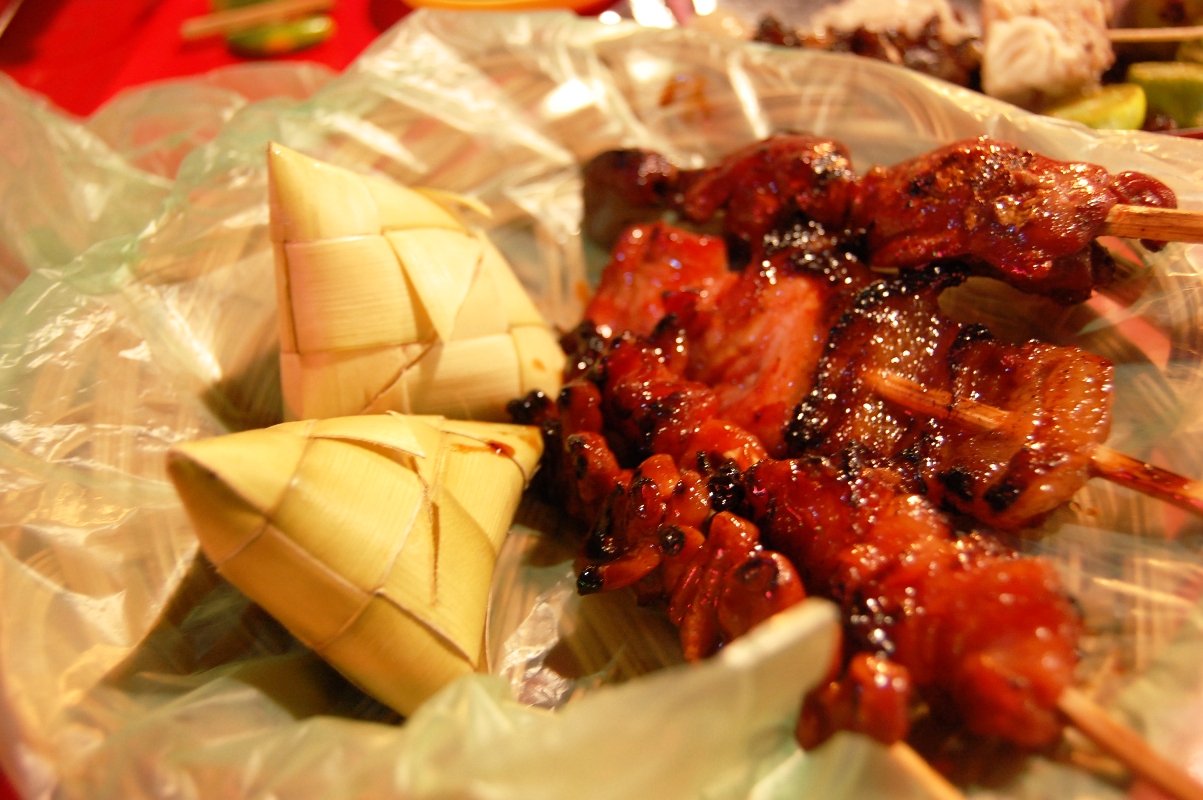 Inihaw
🇵🇭 PhilippinesGrilled meats and seafood, often on skewers, from the Philippines
Main dish, Lunch, Dinner
Inihaw
🇵🇭 PhilippinesGrilled meats and seafood, often on skewers, from the Philippines
Main dish, Lunch, Dinner
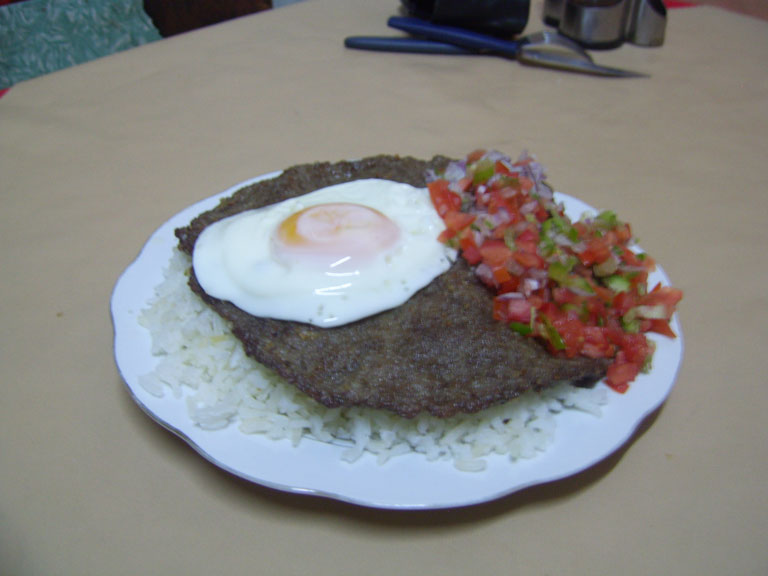 SilpanchoMeatSillp'anchu
🇧🇴 BoliviaLayered Bolivian meal with rice, potatoes, breaded meat, and fried eggs
Main dish, Lunch, Dinner
SilpanchoMeatSillp'anchu
🇧🇴 BoliviaLayered Bolivian meal with rice, potatoes, breaded meat, and fried eggs
Main dish, Lunch, Dinner