🇪🇸 The food of Spain
109 dishes from Spain, best known first, across 60 cities and regions.
Spanish cooking is shaped by its regional variety and a long history of outside influences, from Roman olive oil and wheat to New World tomatoes and peppers. Olive oil, garlic, and fresh produce are central, while tapas culture and a blend of Mediterranean and Atlantic traditions set Spain apart from its neighbors.
- Spain is the world's largest producer of olive oil.
- Tapas are a central part of Spanish eating culture.
- Paella uses rice and saffron, both introduced by the Moors.
- Lunch is the largest meal, usually eaten after 2 p.m.
- Tomatoes, potatoes, and peppers came from the Americas.
The cooking of Spain
Spanish cuisine is marked by its diversity across regions, drawing from Mediterranean and Atlantic influences. Olive oil is at the heart of most dishes, often forming the base for vegetable sauces called sofritos. Herbs like parsley, oregano, rosemary, and thyme are common, as is garlic. Meals feature a mix of meats such as chicken, pork, lamb, and veal, alongside regular use of fish and seafood. The tradition of tapas—small plates or snacks—reflects a social approach to eating. Spanish cooking has absorbed ingredients and techniques from ancient Romans, Moors, Jews, and the Americas, resulting in a cuisine that values both local produce and global flavors.
Staple foods in Spain
Wheat, grapes, and olives are the historic foundation, providing bread, wine, and olive oil. Rice, introduced and expanded by the Moors, is key in dishes like paella. Potatoes, tomatoes, and peppers from the Americas are now essential. Pork, chicken, lamb, and veal are the main meats, with fish and seafood also important. Legumes and vegetables, such as borage and thistle in Aragon, are widely used.
Breakfast in Spain 17 dishes
Breakfast is light and may be eaten at home or before work. Typical choices include coffee, milk, or hot chocolate, paired with biscuits (especially Marie biscuits), magdalenas (small sponge cakes), toast with oil, tomato, or butter, and churros. Because lunch is late, many people have a mid-morning snack.
Lunch in Spain 56 dishes
Lunch is the main meal, usually starting around 2 p.m. and lasting over an hour. It often has several courses: soup, salad, a meat or fish dish, and dessert like fruit or yogurt. Tapas may be served before or during lunch. At home, meals are simpler, with one or two courses.
Dinner in Spain 52 dishes
Dinner is eaten late, between 8:30 and 11 p.m., and is lighter than lunch. It usually consists of a single course and dessert. The long gap between lunch and dinner means an afternoon snack is common.
Snacks and street food in Spain
Tapas and pinchos are the most recognizable snacks, served in bars and cafes. These can include croquetas, marinated mussels, meatballs, and small sandwiches. Tapas may be complimentary with drinks. Eating olives as a snack is also widespread.
Sweets and drinks in Spain
Spanish sweets include churros for breakfast and desserts like frutas de Aragón (candied fruit in chocolate). Drinks range from coffee and hot chocolate to regional wines, sherry, and brandy. Chocolate was first sweetened with sugar in Spain after its arrival from the Americas.
From region to region in Spain
Each region has its own specialties. Andalusia is known for olive oil, cold soups like gazpacho, and fried fish. Aragon features roast lamb, pork dishes, and unique vegetables like borage. Cured meats and cheeses vary by area. The Mediterranean coast uses more olive oil, while butter is traditional in the northwestern regions like Galicia and Asturias.
At the table in Spain
Meals are social events, often lasting a long time. Lunch is followed by sobremesa, a period of conversation at the table. Businesses may close for a long lunch break, though this is changing. Tapas culture encourages sharing and trying many small dishes. Afternoon snacks (merienda) are common due to the late dinner hour.
Festival and religious food in Spain
Festive foods reflect religious and local traditions. Jewish communities historically prepared special stews like adafina for the Sabbath. Moorish influence brought pastries and preserved dishes for celebrations. Regional specialties often appear during festivals and holidays.
The facts in this overview come from the Wikipedia article "Spanish cuisine", written by its contributors and used under the CC BY-SA 4.0 licence. Thali rewrote the text in its own words, with AI assistance, and compares every page with the article to make sure no passage is copied. It may be reused under the same CC BY-SA 4.0 licence with a link back.
Cities and regions of Spain
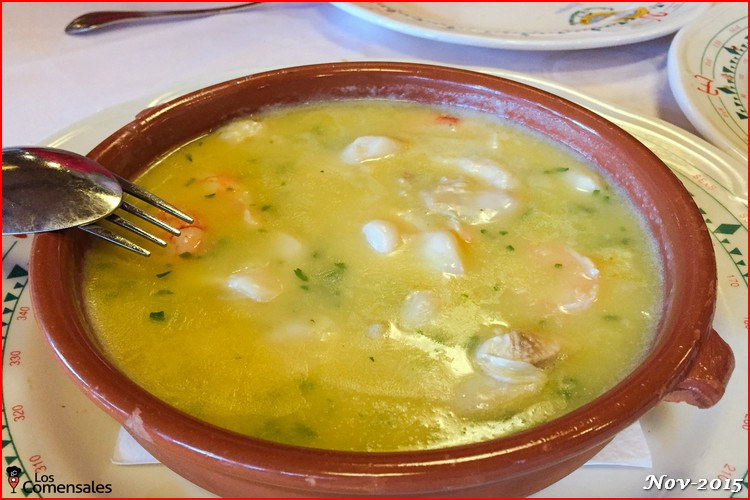 Cod tongueFish or seafood
🇳🇴 Norway and 5 moreChewy, boneless cut from the lower jaw of cod, prized in North Atlantic fishing cultures
Main dish, Lunch, Dinner
Cod tongueFish or seafood
🇳🇴 Norway and 5 moreChewy, boneless cut from the lower jaw of cod, prized in North Atlantic fishing cultures
Main dish, Lunch, Dinner
 Longaniza
🇪🇸 Spain and 5 moreA seasoned sausage with many regional styles across Spain, Latin America, and the Philippines
Sausage or cured food, Breakfast, Lunch
Longaniza
🇪🇸 Spain and 5 moreA seasoned sausage with many regional styles across Spain, Latin America, and the Philippines
Sausage or cured food, Breakfast, Lunch
 Bacalao al pil pilFish or seafood
🇪🇸 SpainSalted cod gently cooked in olive oil with garlic and a silky emulsion sauce
Main dish, Lunch, Dinner
Bacalao al pil pilFish or seafood
🇪🇸 SpainSalted cod gently cooked in olive oil with garlic and a silky emulsion sauce
Main dish, Lunch, Dinner
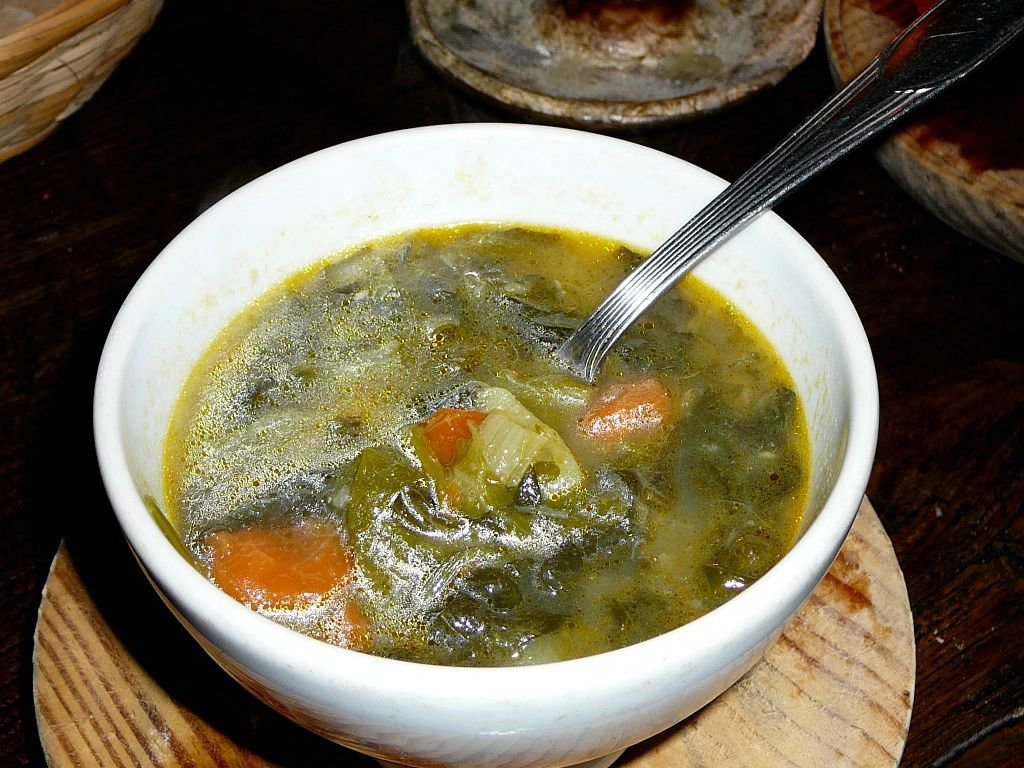 Caldo galegoMeat
🇪🇸 SpainHearty Galician soup with greens, potatoes, beans and pork
Soup, Lunch, Dinner
Caldo galegoMeat
🇪🇸 SpainHearty Galician soup with greens, potatoes, beans and pork
Soup, Lunch, Dinner
 Lupin beanVeganترمس
🇪🇬 Egypt and 5 morePickled or brined yellow legume seeds eaten as a snack in the Mediterranean and Latin America
Sauce, pickle or ferment, Snacks
Lupin beanVeganترمس
🇪🇬 Egypt and 5 morePickled or brined yellow legume seeds eaten as a snack in the Mediterranean and Latin America
Sauce, pickle or ferment, Snacks
 FlamenquínMeat
🇪🇸 SpainDeep-fried pork rolls from Córdoba, Andalusia
Main dish, Lunch, Dinner
FlamenquínMeat
🇪🇸 SpainDeep-fried pork rolls from Córdoba, Andalusia
Main dish, Lunch, Dinner
 ZarangolloVegetarian
🇪🇸 SpainMurcian scrambled eggs with zucchini, onion, and sometimes potato
Main dish, Lunch, Dinner
ZarangolloVegetarian
🇪🇸 SpainMurcian scrambled eggs with zucchini, onion, and sometimes potato
Main dish, Lunch, Dinner
 Pão de LóVegetarian
🇵🇹 Portugal and 3 morePortuguese sponge cake made with eggs, sugar and flour, known for its airy texture
Sweet or dessert, Tea time, Snacks
Pão de LóVegetarian
🇵🇹 Portugal and 3 morePortuguese sponge cake made with eggs, sugar and flour, known for its airy texture
Sweet or dessert, Tea time, Snacks
 Cochinillo asadoMeat
🇪🇸 SpainWhole suckling pig roasted in an earthenware pot until crisp
Main dish, Lunch, Dinner
Cochinillo asadoMeat
🇪🇸 SpainWhole suckling pig roasted in an earthenware pot until crisp
Main dish, Lunch, Dinner
 HaminMeatחמין
🇪🇸 Spain and 5 moreA slow-cooked Jewish stew of grains, meat, beans and potatoes for the Sabbath
Stew or curry, Lunch
HaminMeatחמין
🇪🇸 Spain and 5 moreA slow-cooked Jewish stew of grains, meat, beans and potatoes for the Sabbath
Stew or curry, Lunch
 HornazoMeat
🇪🇸 SpainA Spanish meat pie filled with pork, chorizo, and hard-boiled eggs
Main dish, Lunch, Snacks
HornazoMeat
🇪🇸 SpainA Spanish meat pie filled with pork, chorizo, and hard-boiled eggs
Main dish, Lunch, Snacks
 Al ajillo
🇪🇸 Spain and 2 moreSeafood, meat or mushrooms cooked with garlic and chili in Spanish and Latin cuisines
Main dish, Lunch, Dinner
Al ajillo
🇪🇸 Spain and 2 moreSeafood, meat or mushrooms cooked with garlic and chili in Spanish and Latin cuisines
Main dish, Lunch, Dinner
 LechazoMeat
🇪🇸 SpainRoast suckling lamb from Castile and León, Spain
Main dish, Lunch, Dinner
LechazoMeat
🇪🇸 SpainRoast suckling lamb from Castile and León, Spain
Main dish, Lunch, Dinner
Photo credits on this page
The small pictures above come from Wikimedia Commons under free licences. Some are cropped to fit.
- Hornazo: Zorro2212, CC BY-SA 4.0, source
- Zarangollo: Begoña Martínez, CC BY-SA 2.0, source
- Pão de Ló: Adriao, CC BY-SA 3.0, source
- Al ajillo: Paul Keller, CC BY 2.0, source
- Caldo galego: Juan, CC BY-SA 2.0, source
- Bacalao al pil pil: BocaDorada, CC BY-SA 2.0, source
- Cochinillo asado: Tamorlan, CC BY 3.0, source
- Lechazo: Xavier Béjar, CC BY-SA 2.0, source
- Longaniza: Koffermejia, CC BY-SA 4.0, source
- Cod tongue: Fernando Medina, CC BY 2.0, source
- Lupin bean: Lupino, CC0, source
- Flamenquín: Kent Wang, CC BY-SA 2.0, source
- Hamin: Itzuvit, CC BY-SA 3.0, source