
Beaujolais nouveau
Young red wine from France, released each November just weeks after harvest
Beaujolais nouveau is a light red wine made from Gamay grapes in the Beaujolais region of France. It is bottled and sold only weeks after harvest, with a worldwide release on the third Thursday of November. Known for its fresh, fruity taste and low tannins, it is meant to be enjoyed soon after release and is celebrated with festivals and events.
- Released worldwide on the third Thursday of November each year
- Made from hand-picked Gamay grapes in Beaujolais, France
- Ready to drink just weeks after harvest
- Known for bright fruit flavors and low tannins
- 14.3 million bottles sold globally in 2024
What is Beaujolais nouveau?
Beaujolais nouveau is a red wine made from the Gamay grape, grown in the Beaujolais region just north of Lyon. It is bottled only six to eight weeks after harvest, resulting in a bright purple-pink color. The wine is known for its lively, fresh flavors of red fruits like cherry and strawberry, with hints of banana and pear drop. Its style is light, with high acidity and almost no tannin, making it easy to drink and best enjoyed slightly chilled.
Where does Beaujolais nouveau come from?
The tradition of drinking young wine from Beaujolais dates back to the 1800s, when locals would mark the end of the grape harvest by sharing the new vintage. Over time, this custom grew, with wine merchants in Lyon and beyond serving the fresh wine in November. Official rules for when the wine could be sold changed several times, settling in 1985 on the third Thursday of November as the annual release date. The event has since become an international celebration, with races and festivals marking the arrival of the new wine.
How is Beaujolais nouveau made?
Gamay grapes for Beaujolais nouveau are always picked by hand, as required by regional rules. The winemaking process uses carbonic maceration, where whole grapes ferment in a sealed tank filled with carbon dioxide. This method brings out fruit-forward flavors and keeps tannins low. The wine is bottled and shipped quickly, ready for sale just a few weeks after harvest. Only grapes from specific parts of Beaujolais are used, and the wine is not meant to be aged.


How and when is Beaujolais nouveau eaten?
Beaujolais nouveau is typically opened and enjoyed soon after its November release. It is often served slightly chilled, which highlights its fruity and fresh qualities. The wine is a feature at parties and gatherings, especially during Beaujolais Day celebrations in France and abroad. Some chefs use it in cooking, adding a purple tint to dishes like coq au vin and poached pears. It is best consumed within a few months, as it does not improve with time.
Kinds of Beaujolais nouveau
There are two main types: standard Beaujolais nouveau and Beaujolais-Villages Nouveau, the latter made from grapes grown in select villages and offering a deeper color and richer flavor. The practice of releasing young wine has inspired similar styles in other French regions and countries, such as Italy and Spain. In Japan, a special version for cats has even been created. Label designs often change each year, with some producers holding contests for new artwork.
What Beaujolais nouveau means
The arrival of Beaujolais nouveau is marked by festivals, tastings, and media coverage, especially in France, Japan, and the UK. The wine's release is seen as a celebration of the harvest and a preview of the year's quality. In places like Swansea, Beaujolais Day is a major event, drawing crowds to bars and restaurants. Producers often use colorful labels and special promotions to mark the occasion, making it a highlight of the wine calendar.
Questions people ask about Beaujolais nouveau
What is Beaujolais nouveau made from?
Beaujolais nouveau is made using Gamay grapes, which are grown in the Beaujolais region of France. The grapes are picked by hand and fermented using a method that brings out fresh fruit flavors.
Where does Beaujolais nouveau come from?
This wine comes from the Beaujolais region, located just north of Lyon in France. Only grapes from this area are used to make Beaujolais nouveau.
When is Beaujolais nouveau released?
Beaujolais nouveau is released every year on the third Thursday of November. This timing is set by French law and is celebrated with events in many countries.
How should Beaujolais nouveau be served?
It is best served slightly chilled, which enhances its bright, fruity flavors. The wine is meant to be enjoyed soon after release and does not benefit from aging.
What does Beaujolais nouveau taste like?
It has a light body with high acidity and flavors of red fruits such as cherry and strawberry, along with notes of banana and pear drop. The wine is fresh and easy to drink, with very little tannin.
Good reading and sources
- Encyclopaedia BritannicaArticle
- Why is Swansea leading a Beaujolais Day revival?BBC, Article
- Beaujolais Day: Why is it such a big deal in Swansea?BBC, Article
- ‘It’s fabulous’: Swansea on cloud wine for Beaujolais Nouveau DayThe Guardian, Article
- Beaujolais nouveau on WikipediaEncyclopedia
- More photos on Wikimedia CommonsPhotos
- Wikidata recordOpen data
The facts on this page come from the Wikipedia article "Beaujolais nouveau", written by its contributors and used under the CC BY-SA 4.0 licence, and from its Wikidata record (CC0). Thali rewrote the text in its own words, with AI assistance, and compares every page with the article to make sure no passage is copied. It may be reused under the same CC BY-SA 4.0 licence with a link back.
It may contain mistakes, and it is not dietary or allergy advice: recipes differ from cook to cook. If something is wrong, tell us. Last refreshed 2026-10-03.
More from France
All the food of France WineVegan
🇬🇪 Georgia and 5 moreAlcoholic drink made by fermenting grape juice in many styles and colors
Drink
WineVegan
🇬🇪 Georgia and 5 moreAlcoholic drink made by fermenting grape juice in many styles and colors
Drink
 Ice cream
🇺🇸 United States and 5 moreA frozen dessert made from sweetened, flavoured milk or cream
Sweet or dessert, Snacks
Ice cream
🇺🇸 United States and 5 moreA frozen dessert made from sweetened, flavoured milk or cream
Sweet or dessert, Snacks
 ChampagneVegan
🇫🇷 FranceSparkling wine made only in France’s Champagne region using traditional bottle fermentation
Drink
ChampagneVegan
🇫🇷 FranceSparkling wine made only in France’s Champagne region using traditional bottle fermentation
Drink
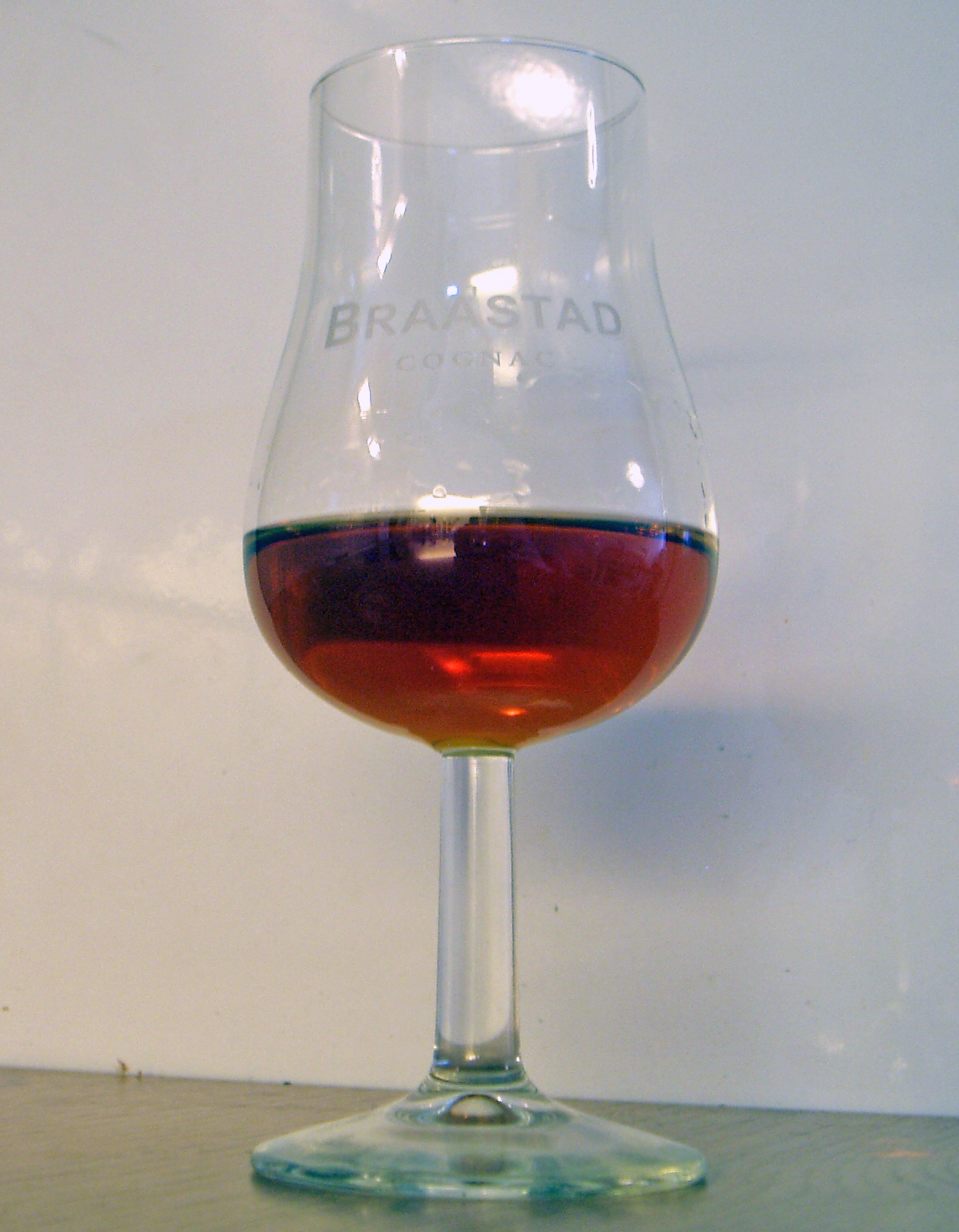 CognacVegan
🇫🇷 FranceFrench brandy distilled from local white grapes and aged in oak casks
Drink
CognacVegan
🇫🇷 FranceFrench brandy distilled from local white grapes and aged in oak casks
Drink
Its cousins elsewhere
All drinks CoffeeVegan
🇾🇪 Yemen and 5 moreA dark, bitter drink made by brewing roasted coffee beans
Drink, Breakfast, Snacks
CoffeeVegan
🇾🇪 Yemen and 5 moreA dark, bitter drink made by brewing roasted coffee beans
Drink, Breakfast, Snacks
 TeaVegan茶
🇨🇳 China and 5 moreA drink made by soaking tea leaves in hot or cold water
Drink
TeaVegan茶
🇨🇳 China and 5 moreA drink made by soaking tea leaves in hot or cold water
Drink
 VodkaVeganwódka
🇷🇺 Russia and 5 moreA clear spirit distilled from grains or potatoes, known for its neutral taste
Drink
VodkaVeganwódka
🇷🇺 Russia and 5 moreA clear spirit distilled from grains or potatoes, known for its neutral taste
Drink
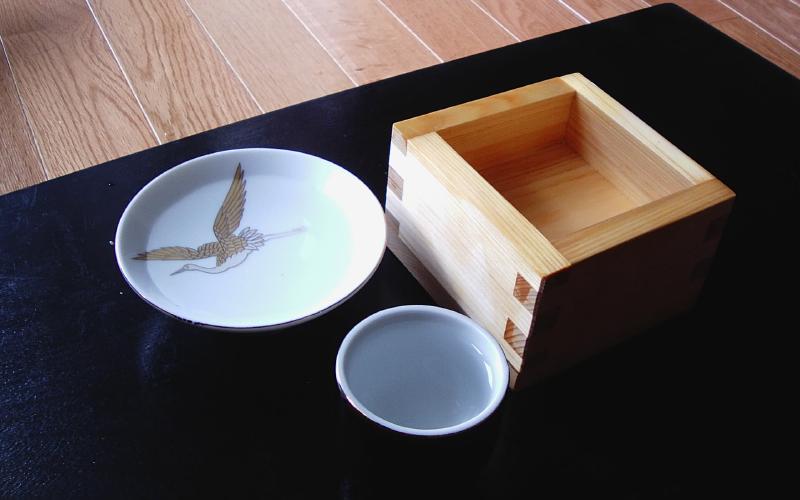 SakeVegan酒
🇯🇵 JapanJapanese alcoholic drink brewed from polished rice and kōji mold
Drink
SakeVegan酒
🇯🇵 JapanJapanese alcoholic drink brewed from polished rice and kōji mold
Drink