
Bsisa
In its own language: بسيسة
Roasted grain powder from North Africa, mixed as a paste or drink
Bsisa is a traditional North African food made from roasted cereals and legumes, ground into a fine powder and blended with spices and sometimes sugar. It can be eaten as a paste or stirred into liquids to make a drink. Bsisa is common in Tunisia and Libya and is part of both everyday meals and special rituals.
- Made from roasted grains and legumes, ground into a powder
- Eaten as a paste or mixed with liquids to make a drink
- Carried by travelers and nomads for its nutrition and portability
- Used in Jewish rituals on the first day of Nisan
- Regional versions include carob juice, olive oil, and nuts
What is Bsisa?
Bsisa is a blend of roasted grains such as barley, sometimes with legumes, ground into a powder. Spices and sugar are often added, and the exact mix can vary by region and family. The powder can be eaten as a thick paste when mixed with oil or water, or dissolved in milk or water to make a drink. Its color is usually golden brown, and it has a nutty, toasty aroma from the roasted ingredients.
Where does Bsisa come from?
Bsisa has roots in ancient North Africa, where it was valued for its nutrition and long shelf life. Nomads and travelers carried it because it was easy to transport and provided energy on the road. Over time, it became part of the food traditions in Tunisia and Libya, and versions of it are found in other Mediterranean and Middle Eastern cultures.
How is Bsisa made?
To prepare bsisa, grains like barley and sometimes legumes are roasted until fragrant, then ground into a fine powder. Spices and sugar are blended in, and the mixture is stored dry. When ready to eat, people add oil, water, or milk to form a paste or a drink. In some places, ingredients like carob juice, wheat flour, olive oil, and nuts are included.


How and when is Bsisa eaten?
Bsisa is eaten at breakfast or as a snack. It can be enjoyed on its own or with bread, and is sometimes mixed with milk or water for a quick meal. In Jewish homes in Tunisia and Libya, it is served on the first day of Nisan with special blessings and family rituals. The powder is mixed at the table, often with symbolic objects like a gold ring or a house key.
Kinds of Bsisa
Regional recipes differ: in Palestine, bsisa may include carob juice, olive oil, wheat flour, and nuts. The choice of grains, spices, and sweeteners can change from one family or community to another. Some versions are more savory, while others are sweetened for a dessert-like taste. The drink made from bsisa powder is sometimes called rowina.
What Bsisa means
Bsisa holds a special place in both daily life and religious tradition. For Tunisian and Libyan Jews, it is central to a ritual marking the first day of Nisan, symbolizing renewal and remembrance of the Mishkan. The food is also part of Muslim and Jewish households' everyday meals, reflecting its deep roots in North African culture.
Questions people ask about Bsisa
What is bsisa made of?
Bsisa is made from roasted grains like barley, sometimes with legumes, ground with spices and sugar. Some versions add olive oil, wheat flour, nuts, or carob juice.
Where does bsisa come from?
Bsisa comes from North Africa, especially Tunisia and Libya, and is also found in Palestinian cuisine.
How is bsisa eaten?
People eat bsisa as a paste by mixing the powder with oil or water, or as a drink by stirring it into milk or water. It can be eaten at breakfast or as a snack.
Is bsisa part of any religious customs?
Yes, in Tunisian and Libyan Jewish homes, bsisa is eaten on the first day of Nisan with special blessings and family rituals.
What does bsisa taste like?
Bsisa has a nutty, roasted flavor from the grains and legumes, with added sweetness and spice depending on the recipe.
Good reading and sources
- Food Heroes detail | World Food Day | Food and Agriculture Organization of the United NationsFAO, Article
- Bsissa: North Africa's ancient convenience foodBBC, Article
The facts on this page come from the Wikipedia article "Bsisa", written by its contributors and used under the CC BY-SA 4.0 licence, and from its Wikidata record (CC0). Thali rewrote the text in its own words, with AI assistance, and compares every page with the article to make sure no passage is copied. It may be reused under the same CC BY-SA 4.0 licence with a link back.
It may contain mistakes, and it is not dietary or allergy advice: recipes differ from cook to cook. If something is wrong, tell us. Last refreshed 2026-10-03.
More from Tunisia
All the food of Tunisia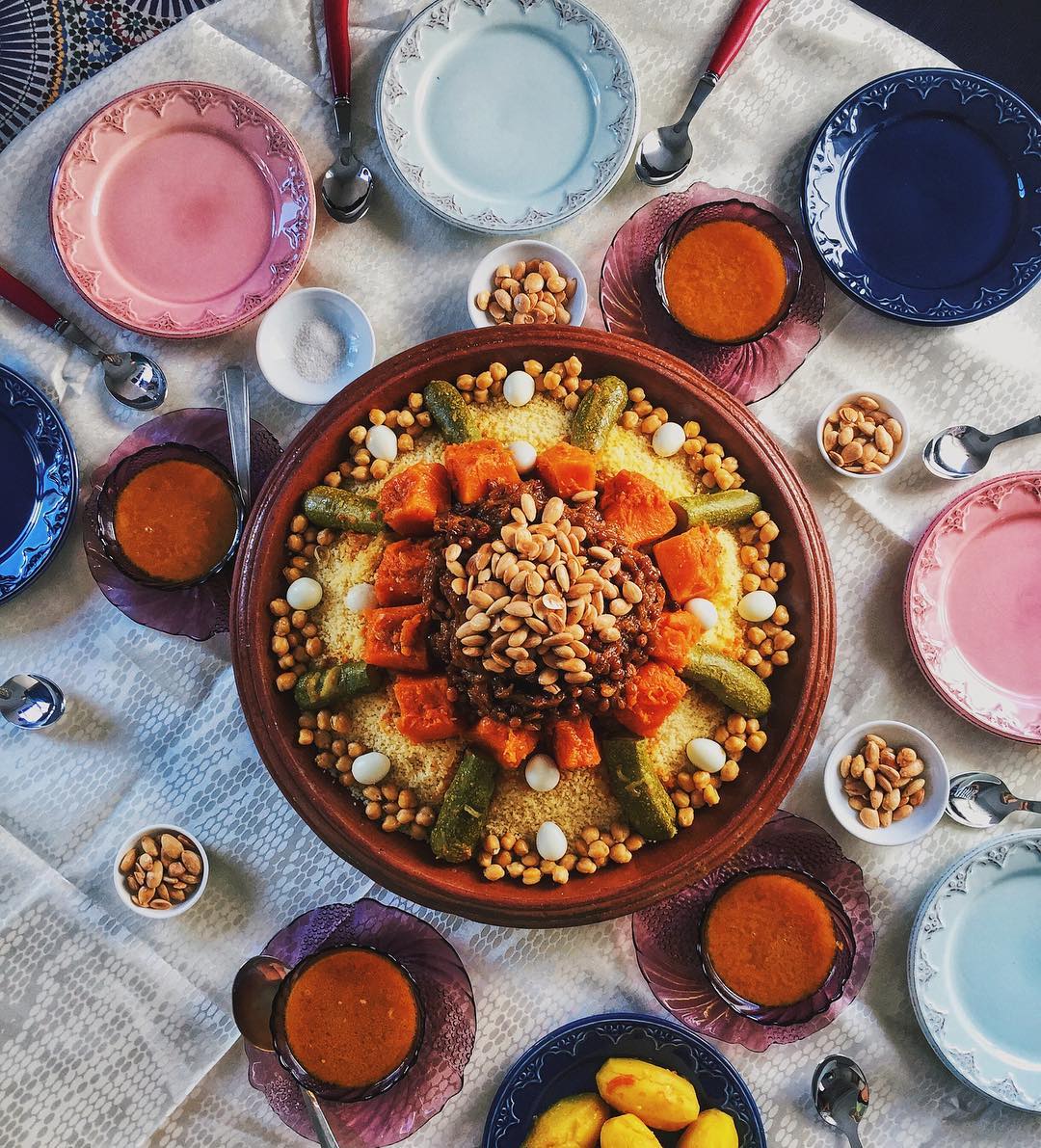 Couscousseksu
🇩🇿 Algeria and 4 moreSteamed semolina granules served with stew or vegetables across North Africa
Main dish, Lunch, Dinner
Couscousseksu
🇩🇿 Algeria and 4 moreSteamed semolina granules served with stew or vegetables across North Africa
Main dish, Lunch, Dinner
 RechtaMeatرشتة
🇩🇿 Algeria and 1 moreAlgerian handmade noodles served with chicken and vegetables in a spiced sauce
Main dish, Lunch, Dinner
RechtaMeatرشتة
🇩🇿 Algeria and 1 moreAlgerian handmade noodles served with chicken and vegetables in a spiced sauce
Main dish, Lunch, Dinner
 Freekehفريكة
🇵🇸 Palestine and 5 moreRoasted green durum wheat grains, a staple across the eastern Mediterranean
Main dish, Lunch, Dinner
Freekehفريكة
🇵🇸 Palestine and 5 moreRoasted green durum wheat grains, a staple across the eastern Mediterranean
Main dish, Lunch, Dinner
 ShakshukaVegetarian
🇹🇳 Tunisia and 5 moreEggs poached in a spiced tomato and pepper sauce from North Africa
Main dish, Breakfast, Dinner
ShakshukaVegetarian
🇹🇳 Tunisia and 5 moreEggs poached in a spiced tomato and pepper sauce from North Africa
Main dish, Breakfast, Dinner
Its cousins elsewhere
All main dishes AshureVeganAşure
🇹🇷 Turkey and 3 moreSweet porridge of grains, dried fruits and nuts shared for festivals and remembrance
Sweet or dessert
AshureVeganAşure
🇹🇷 Turkey and 3 moreSweet porridge of grains, dried fruits and nuts shared for festivals and remembrance
Sweet or dessert
 Crêpe
🇫🇷 FranceThin French pancakes, served sweet or savoury with a range of fillings
Main dish, Breakfast, Lunch
Crêpe
🇫🇷 FranceThin French pancakes, served sweet or savoury with a range of fillings
Main dish, Breakfast, Lunch
 SaleegMeatسليق
🇸🇦 Saudi ArabiaRice cooked with broth and milk, topped with roasted meat from western Saudi Arabia
Main dish, Lunch, Dinner
SaleegMeatسليق
🇸🇦 Saudi ArabiaRice cooked with broth and milk, topped with roasted meat from western Saudi Arabia
Main dish, Lunch, Dinner
 Bliniблины
🇷🇺 Russia and 3 moreThin Russian pancakes made with yeast or unyeasted batter
Main dish, Breakfast, Lunch
Bliniблины
🇷🇺 Russia and 3 moreThin Russian pancakes made with yeast or unyeasted batter
Main dish, Breakfast, Lunch