
Idiazabal cheese
In its own language: Idiazabal gazta
Aged sheep’s milk cheese with a firm texture from Spain’s Basque Country
Idiazabal cheese is a traditional hard cheese made from raw sheep’s milk in the Basque Country of Spain. It is aged for at least two months, developing a buttery, nutty flavor that can be enhanced by optional smoking. The cheese is often enjoyed fresh with quince jam or grated when matured.
- Made from raw sheep’s milk in the Basque Country
- Aged at least two months for a firm, nutty texture
- Can be smoked for a deeper flavor and brown rind
- Protected by Denomination of Origin since 1987
- Awarded Gold Medal by the International Academy of Gastronomy
What is Idiazabal cheese?
Idiazabal is a firm, pressed cheese made by hand from raw sheep’s milk. The wheels are usually small to medium in size, with a hard, inedible rind that can be yellow-beige if unsmoked or brown if smoked. The inside is dense and pale yellow, sometimes with tiny holes. Its flavor is rich and buttery, with a touch of sharpness and a hint of acidity. When smoked, the cheese has a stronger taste and a pleasant aroma. The texture becomes drier and sharper as it matures.
Where does Idiazabal cheese come from?
This cheese is named after the town of Idiazabal in the Goierri area of Gipuzkoa, within Spain’s Basque Country. Idiazabal has been made for generations using traditional methods, and in 1987 it was granted Denomination of Origin status, which sets the rules for its production. The cheese is closely tied to the Basque region, with several towns recognized for making it according to these standards. In 1993, it received a Gold Medal from the International Academy of Gastronomy, highlighting its reputation among European cheeses.
How is Idiazabal cheese made?
To make Idiazabal, whole raw sheep’s milk is curdled using natural lamb rennet. The curds are cut into small grains and gently reheated, then placed in molds and pressed to form compact wheels. The cheese is salted by rubbing the rind or soaking it in brine, and then aged for at least two months in cool, humid rooms. Smoking is optional and done at the end of aging, using local woods like beech or cherry. The rind may be decorated with Basque patterns, and the cheese is always firm, with a closed, waxy exterior.

How and when is Idiazabal cheese eaten?
Idiazabal is eaten at different stages of maturity. When young, it is often sliced and paired with quince jam. As it ages, the cheese becomes firmer and is sometimes grated over dishes. It is served at room temperature to bring out its flavors. The cheese is enjoyed on its own, as part of a cheese board, or alongside bread and fruit. It is a staple in Basque households and is also shared at gatherings and celebrations.
Kinds of Idiazabal cheese
Most Idiazabal is made with milk from local sheep breeds, but some producers use other sheep, which is debated by traditionalists. The cheese can be found both smoked and unsmoked, with the smoked version having a darker rind and a more intense flavor. Shapes are usually round, but some artisan makers create cone or octagonal forms. The rind may feature traditional Basque designs, reflecting local identity.
What Idiazabal cheese means
Idiazabal cheese is a symbol of Basque food culture and rural tradition. Its protected status under the Denomination of Origin ensures that only cheese made in certain regions and following strict rules can carry the name. The cheese is a source of pride for the area and is often featured at food fairs and in local markets. Its recognition with international awards has helped raise its profile beyond Spain.
Questions people ask about Idiazabal cheese
What is Idiazabal cheese made from?
Idiazabal cheese is made using whole, unpasteurized sheep’s milk, natural lamb rennet, and salt. The milk is curdled, pressed, and aged to produce a firm, flavorful cheese.
Where does Idiazabal cheese come from?
Idiazabal cheese comes from the Basque Country in northern Spain, especially areas like Goierri in Gipuzkoa. It is named after the town of Idiazabal.
Is Idiazabal cheese always smoked?
No, smoking is optional. Some wheels are smoked at the end of aging, using local woods, which gives them a brown rind and stronger taste. Others are left unsmoked and have a yellow-beige rind.
How is Idiazabal cheese usually eaten?
It can be sliced and eaten fresh, often with quince jam, or grated when aged. It is served at room temperature and enjoyed on its own or with bread and fruit.
Does Idiazabal cheese have any special recognition?
Yes, it has Denomination of Origin protection since 1987 and won a Gold Medal from the International Academy of Gastronomy in 1993.
Good reading and sources
- Idiazabal cheese on WikipediaEncyclopedia
- More photos on Wikimedia CommonsPhotos
- Wikidata recordOpen data
The facts on this page come from the Wikipedia article "Idiazabal cheese", written by its contributors and used under the CC BY-SA 4.0 licence, and from its Wikidata record (CC0). Thali rewrote the text in its own words, with AI assistance, and compares every page with the article to make sure no passage is copied. It may be reused under the same CC BY-SA 4.0 licence with a link back.
It may contain mistakes, and it is not dietary or allergy advice: recipes differ from cook to cook. If something is wrong, tell us. Last refreshed 2026-10-03.
More from Spain
All the food of Spain ManchegoVegetarianqueso manchego
🇪🇸 SpainFirm sheep’s milk cheese from La Mancha, aged from two months to two years
Cheese or dairy food
ManchegoVegetarianqueso manchego
🇪🇸 SpainFirm sheep’s milk cheese from La Mancha, aged from two months to two years
Cheese or dairy food
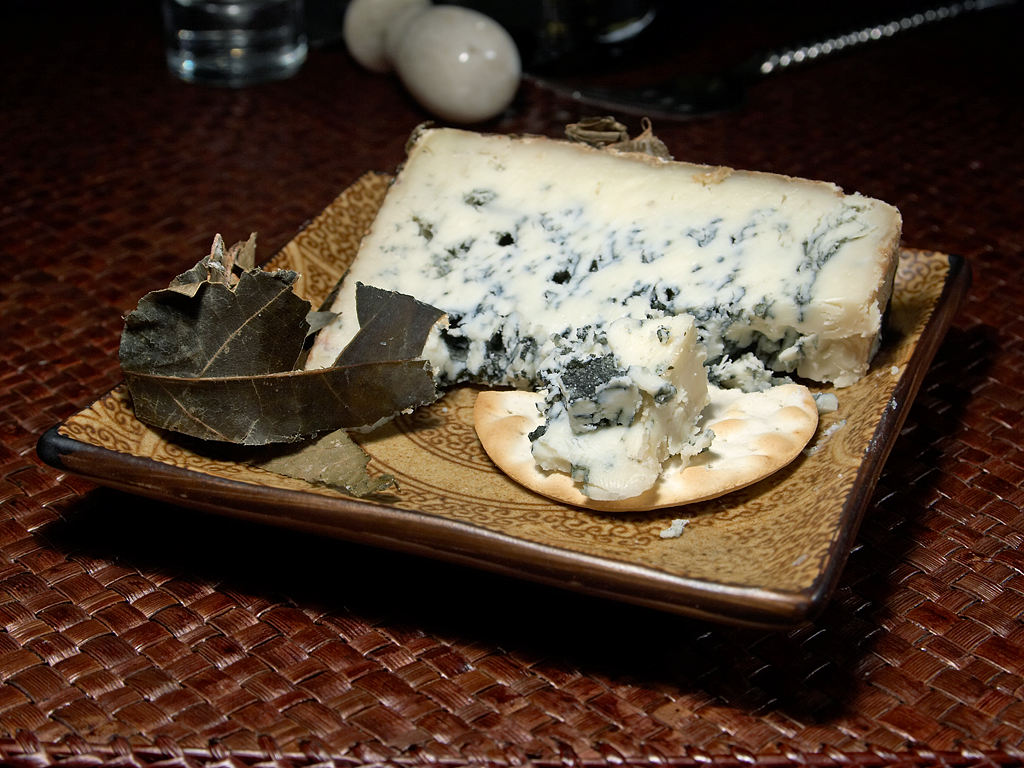 Cabrales cheese
🇪🇸 SpainBlue cheese from Asturias aged in mountain caves
Cheese or dairy food
Cabrales cheese
🇪🇸 SpainBlue cheese from Asturias aged in mountain caves
Cheese or dairy food
 Tetilla cheeseVegetarianqueixo tetilla
🇪🇸 SpainSoft, conical cow’s milk cheese from Galicia in northwest Spain
Cheese or dairy food
Tetilla cheeseVegetarianqueixo tetilla
🇪🇸 SpainSoft, conical cow’s milk cheese from Galicia in northwest Spain
Cheese or dairy food
 MatóVegetarian
🇪🇸 Spain and 1 moreCatalan fresh cheese, usually served as a dessert with honey
Cheese or dairy food
MatóVegetarian
🇪🇸 Spain and 1 moreCatalan fresh cheese, usually served as a dessert with honey
Cheese or dairy food
Its cousins elsewhere
All cheese and dairy Halloumi
🇨🇾 CyprusA firm, brined cheese from Cyprus that can be grilled or fried without melting
Cheese or dairy food
Halloumi
🇨🇾 CyprusA firm, brined cheese from Cyprus that can be grilled or fried without melting
Cheese or dairy food
 Beyaz peynir
🇹🇷 TurkeyA brined white cheese from Turkey, made from sheep, cow or goat milk
Cheese or dairy food, Breakfast, Lunch
Beyaz peynir
🇹🇷 TurkeyA brined white cheese from Turkey, made from sheep, cow or goat milk
Cheese or dairy food, Breakfast, Lunch
 Kashk
🇮🇷 Iran and 6 moreDried or fermented dairy, sometimes with grain, shaped and stored for later use
Cheese or dairy food
Kashk
🇮🇷 Iran and 6 moreDried or fermented dairy, sometimes with grain, shaped and stored for later use
Cheese or dairy food
 Shanklish
🇸🇾 Syria and 1 moreAged cheese balls from cow or sheep milk, often coated in herbs or spices
Cheese or dairy food, Breakfast, Snacks
Shanklish
🇸🇾 Syria and 1 moreAged cheese balls from cow or sheep milk, often coated in herbs or spices
Cheese or dairy food, Breakfast, Snacks