
Tharid
In its own language: ثريد
Flatbread soaked in broth or stew, a staple of Arab cooking
Tharid is a bread-based stew from Mecca, Saudi Arabia, made by soaking crumbled flatbread in a meat or vegetable broth. It is a main dish in Arab cuisine, often eaten during Ramadan, and is known for its deep cultural ties to Arab identity and Islamic tradition.
- Bread is soaked in hot meat or vegetable broth
- Originates from Mecca, Saudi Arabia
- A favorite dish of the Prophet Muhammad
- Commonly eaten during Ramadan
- Known by many names across different regions
What is Tharid?
Tharid is a stew where pieces of flatbread are soaked in a hot broth, which may be made from meat or vegetables. The bread, often unleavened and sometimes stale, absorbs the liquid, creating a soft, hearty dish. It is simple in appearance, with chunks of bread and sometimes meat or vegetables visible in the bowl. The taste is mild and comforting, with the bread taking on the flavors of the broth.
Where does Tharid come from?
Tharid comes from Mecca in Saudi Arabia and is deeply rooted in Arab culture. It is mentioned in Islamic tradition as a favorite of the Prophet Muhammad, who praised it above other foods. The dish is seen as a symbol of Arab identity and has been part of daily and festive meals for centuries. Over time, it spread across the Arab world and beyond, adapting to local tastes and ingredients.
How is Tharid made?
To make tharid, flatbread is broken into pieces and placed in a bowl. Hot broth, often made from simmered meat or vegetables, is poured over the bread so it softens and soaks up the flavors. Sometimes, meat or vegetables from the stew are added on top. The dish may be served by layering bread and meat, or by dipping bread directly into the broth.


How and when is Tharid eaten?
Tharid is usually eaten as a main meal for lunch or dinner. It is especially popular during Ramadan, when it is served to break the fast. The dish is typically shared at the table, with diners scooping up the soaked bread and broth together. It may be eaten alone or alongside other dishes, depending on the occasion and region.
Kinds of Tharid
Across the Arab world and beyond, tharid has many versions. In Morocco, rfissa uses thin crepe-like bread with chicken and lentils. In Syria, fatteh combines bread with yogurt and meat. Egypt’s fatta adds rice to the mix. In Turkey, a similar dish is called tirit, and in Portugal, açorda Alentejana uses bread with cilantro, garlic, and eggs. Each region adapts the basic idea to local tastes.
What Tharid means
Tharid holds special meaning in Arab and Islamic culture. Its association with the Prophet Muhammad gives it a revered status, and it is a common dish during Ramadan. The meal is seen as humble yet significant, representing both tradition and community. Its spread across regions shows its importance in connecting different parts of the Arab world.
When Tharid is on the table
Questions people ask about Tharid
What is tharid made of?
Tharid is made by soaking pieces of flatbread in a hot broth, which can be based on meat or vegetables. Sometimes, chunks of meat or vegetables are added to the dish.
Where does tharid come from?
Tharid originates from Mecca in Saudi Arabia and is a traditional dish in Arab cuisine. It has spread to many other countries in North Africa, the Middle East, and beyond.
When is tharid usually eaten?
Tharid is commonly eaten as a main meal for lunch or dinner. It is especially popular during Ramadan, when it is served to break the fast.
Are there different versions of tharid?
Yes, tharid has many regional variations. In Morocco, it is called rfissa and uses crepe-like bread with chicken and lentils. Other countries have their own versions with different ingredients.
Why is tharid important in Arab culture?
Tharid is closely linked to Arab identity and Islamic tradition. It is said to have been the Prophet Muhammad’s favorite dish and is often served during religious occasions like Ramadan.
Good reading and sources
The facts on this page come from the Wikipedia article "Tharid", written by its contributors and used under the CC BY-SA 4.0 licence, and from its Wikidata record (CC0). Thali rewrote the text in its own words, with AI assistance, and compares every page with the article to make sure no passage is copied. It may be reused under the same CC BY-SA 4.0 licence with a link back.
It may contain mistakes, and it is not dietary or allergy advice: recipes differ from cook to cook. If something is wrong, tell us. Last refreshed 2026-10-03.
More from Saudi Arabia
All the food of Saudi Arabia SaleegMeatسليق
🇸🇦 Saudi ArabiaRice cooked with broth and milk, topped with roasted meat from western Saudi Arabia
Main dish, Lunch, Dinner
SaleegMeatسليق
🇸🇦 Saudi ArabiaRice cooked with broth and milk, topped with roasted meat from western Saudi Arabia
Main dish, Lunch, Dinner
 Kabsaكبسة
🇸🇦 Saudi Arabia and 4 moreRice and meat cooked with aromatic spices, a staple of the Arabian Peninsula
Main dish, Lunch, Dinner
Kabuli pulaoMeatقابلی پلو
🇦🇫 Afghanistan and 5 moreAfghan rice pilaf with caramelized carrots, raisins, and meat
Main dish, Lunch, Dinner
Kabsaكبسة
🇸🇦 Saudi Arabia and 4 moreRice and meat cooked with aromatic spices, a staple of the Arabian Peninsula
Main dish, Lunch, Dinner
Kabuli pulaoMeatقابلی پلو
🇦🇫 Afghanistan and 5 moreAfghan rice pilaf with caramelized carrots, raisins, and meat
Main dish, Lunch, Dinner
 HareesMeat
🇦🇲 Armenia and 5 moreWheat and meat cooked to a soft, porridge-like dish for festive and religious meals
Main dish, Dinner, Lunch
HareesMeat
🇦🇲 Armenia and 5 moreWheat and meat cooked to a soft, porridge-like dish for festive and religious meals
Main dish, Dinner, Lunch
Its cousins elsewhere
All main dishes RagùMeat
🇮🇹 Italy and 1 moreItalian meat sauce for pasta, made in many regional styles
Main dish, Lunch, Dinner
RagùMeat
🇮🇹 Italy and 1 moreItalian meat sauce for pasta, made in many regional styles
Main dish, Lunch, Dinner
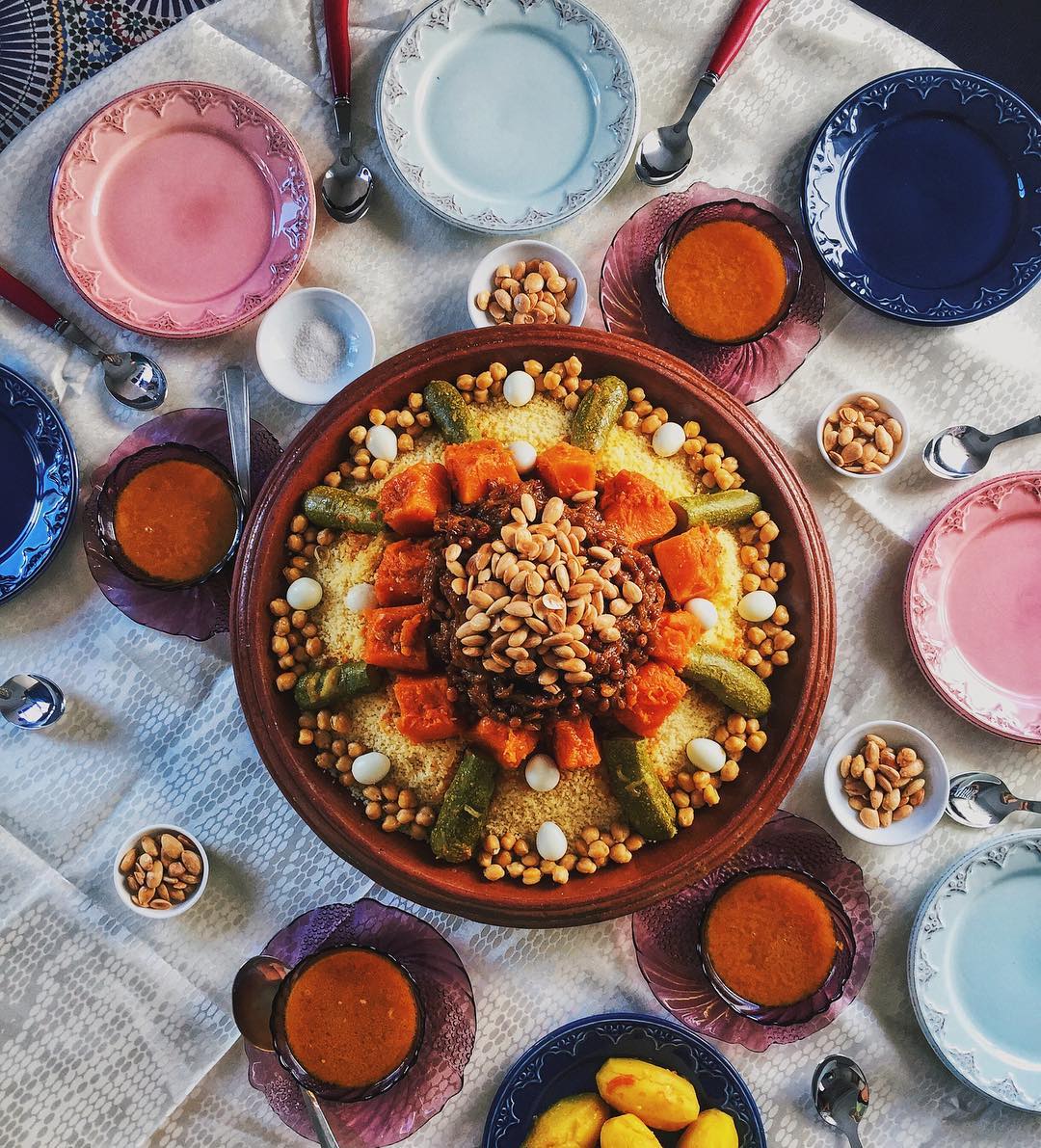 Couscousseksu
🇩🇿 Algeria and 4 moreSteamed semolina granules served with stew or vegetables across North Africa
Main dish, Lunch, Dinner
Couscousseksu
🇩🇿 Algeria and 4 moreSteamed semolina granules served with stew or vegetables across North Africa
Main dish, Lunch, Dinner
 Lasagnalasagne
🇮🇹 ItalyBaked layers of pasta sheets, sauce, cheese and fillings from Italy
Main dish, Lunch, Dinner
Lasagnalasagne
🇮🇹 ItalyBaked layers of pasta sheets, sauce, cheese and fillings from Italy
Main dish, Lunch, Dinner
 Taco
🇲🇽 Mexico and 1 moreA folded tortilla filled with meat, beans or vegetables, eaten by hand
Street food, Lunch, Dinner
Taco
🇲🇽 Mexico and 1 moreA folded tortilla filled with meat, beans or vegetables, eaten by hand
Street food, Lunch, Dinner