
Maqluba
In its own language: مقلوبة
Rice, meat and fried vegetables cooked in layers and served upside down
Maqluba is a layered rice dish from the Levant, especially Palestine, Jordan, Syria, Lebanon, and Iraq. It is made by stacking fried vegetables, meat (usually chicken or lamb), and rice in a pot, then flipping it upside down to serve. Maqluba is often prepared for feasts and large gatherings, and is sometimes garnished with pine nuts and parsley.
- Maqluba means 'upside-down' in Arabic
- The dish is flipped out of the pot before serving
- Common vegetables include eggplant and cauliflower
- It is often garnished with pine nuts and parsley
- Maqluba is served at feasts and large gatherings
What is Maqluba?
Maqluba is a dish where rice, meat, and fried vegetables are arranged in layers inside a deep pot. Common vegetables include eggplant, cauliflower, potatoes, and tomatoes, with chicken or lamb as the main protein. The pot is inverted onto a platter before serving, so the layers are revealed like a cake. Maqluba is often topped with pine nuts and fresh parsley. The vegetables are typically fried before being layered, which gives them a rich flavor and texture. The finished dish is substantial and meant for sharing.
Where does Maqluba come from?
The earliest known mention of maqluba appears in a 13th-century Arabic cookbook, but that version was an egg dish. The form known today, with rice and vegetables, is described in early 20th-century accounts of Palestinian cooking. The name means 'upside-down' in Arabic, referring to the way the pot is flipped to serve. Maqluba has roots in Levantine home cooking and is now a staple across several countries in the region.
How is Maqluba made?
To make maqluba, cooks fry vegetables such as eggplant, cauliflower, potatoes, or tomatoes. These are layered at the bottom of a deep pot, followed by pieces of chicken or lamb, and then topped with rice. The ingredients are carefully arranged so that, when the pot is turned over onto a plate, the layers stay intact. The dish is cooked together so the flavors blend. Pine nuts and parsley are often sprinkled on top before serving.

How and when is Maqluba eaten?
Maqluba is usually served hot, often at lunch or dinner. It is a popular choice for large gatherings and feasts, as the dish can feed many people at once. It is commonly accompanied by salad and fresh yogurt. The presentation, with the pot flipped upside down at the table, is a highlight of the meal. Maqluba is eaten in homes across the Levant and is a symbol of hospitality.
Kinds of Maqluba
While chicken and lamb are the most common meats, some coastal cities use fish instead. The choice of vegetables can vary, but eggplant and cauliflower are especially popular. Each family or region may have its own preferred mix of ingredients and spices. The dish can be adapted to what is available, making it flexible and widely enjoyed.
What Maqluba means
Maqluba is more than just a meal; it is a dish for gatherings and special occasions. It has become a symbol of Palestinian and Levantine identity. In recent years, it has also appeared in political contexts, used as a symbol in protests and cultural debates. The act of flipping the pot and sharing the meal is a tradition that brings people together.
Questions people ask about Maqluba
What is maqluba made of?
Maqluba is made from layers of fried vegetables such as eggplant or cauliflower, meat like chicken or lamb, and rice. The ingredients are cooked together in a pot and then flipped upside down before serving.
Where does maqluba come from?
Maqluba is a traditional dish from the Levant, especially popular in Palestine, Jordan, Syria, Lebanon, Israel, and Iraq.
How is maqluba served?
Maqluba is served hot. The pot is inverted onto a large plate so the layers of rice, meat, and vegetables are revealed. It is often garnished with pine nuts and parsley.
Is maqluba vegetarian?
Maqluba usually contains meat such as chicken or lamb, but some versions, especially in coastal areas, use fish. Vegetarian versions are possible by omitting the meat.
When is maqluba eaten?
Maqluba is commonly eaten at lunch or dinner, especially during feasts and large family gatherings.
Good reading and sources
The facts on this page come from the Wikipedia article "Maqluba", written by its contributors and used under the CC BY-SA 4.0 licence, and from its Wikidata record (CC0). Thali rewrote the text in its own words, with AI assistance, and compares every page with the article to make sure no passage is copied. It may be reused under the same CC BY-SA 4.0 licence with a link back.
It may contain mistakes, and it is not dietary or allergy advice: recipes differ from cook to cook. If something is wrong, tell us. Last refreshed 2026-10-03.
More from Palestine
All the food of Palestine Freekehفريكة
🇵🇸 Palestine and 5 moreRoasted green durum wheat grains, a staple across the eastern Mediterranean
Main dish, Lunch, Dinner
Freekehفريكة
🇵🇸 Palestine and 5 moreRoasted green durum wheat grains, a staple across the eastern Mediterranean
Main dish, Lunch, Dinner
 Kabsaكبسة
🇸🇦 Saudi Arabia and 4 moreRice and meat cooked with aromatic spices, a staple of the Arabian Peninsula
Main dish, Lunch, Dinner
Kabsaكبسة
🇸🇦 Saudi Arabia and 4 moreRice and meat cooked with aromatic spices, a staple of the Arabian Peninsula
Main dish, Lunch, Dinner
 MansafMeatمنسف
🇯🇴 Jordan and 3 moreLamb cooked in fermented yogurt sauce, served over rice and flatbread
Main dish, Lunch, Dinner
MansafMeatمنسف
🇯🇴 Jordan and 3 moreLamb cooked in fermented yogurt sauce, served over rice and flatbread
Main dish, Lunch, Dinner
 Manakishمناقيش
🇱🇧 Lebanon and 3 moreLevantine flatbread topped with za'atar, cheese, or meat
Bread, Breakfast, Lunch
Manakishمناقيش
🇱🇧 Lebanon and 3 moreLevantine flatbread topped with za'atar, cheese, or meat
Bread, Breakfast, Lunch
Its cousins elsewhere
All main dishes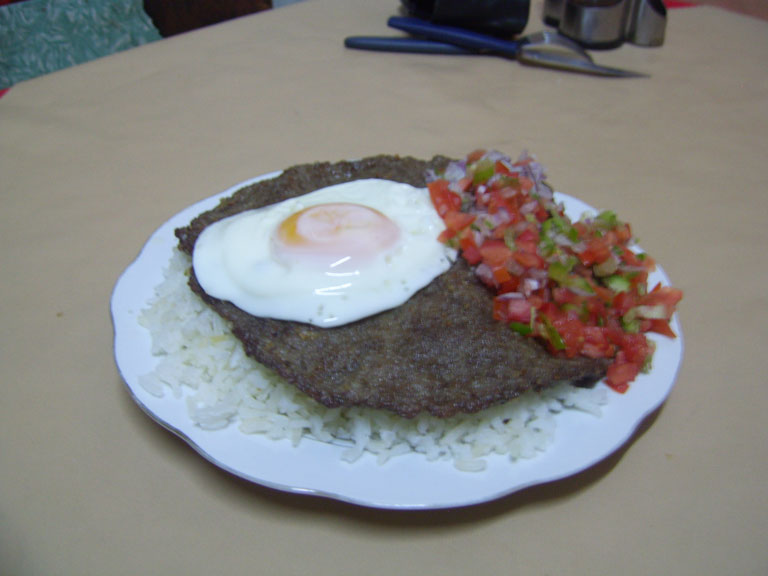 SilpanchoMeatSillp'anchu
🇧🇴 BoliviaLayered Bolivian meal with rice, potatoes, breaded meat, and fried eggs
Main dish, Lunch, Dinner
SilpanchoMeatSillp'anchu
🇧🇴 BoliviaLayered Bolivian meal with rice, potatoes, breaded meat, and fried eggs
Main dish, Lunch, Dinner
 Moussakaμουσακάς
🇬🇷 Greece and 5 moreBaked casserole of eggplant or potato, often layered with meat and sauce
Main dish, Lunch, Dinner
Moussakaμουσακάς
🇬🇷 Greece and 5 moreBaked casserole of eggplant or potato, often layered with meat and sauce
Main dish, Lunch, Dinner
 Paella
🇪🇸 Spain and 1 moreRice cooked with meat, seafood or vegetables in a wide shallow pan from Valencia
Main dish, Lunch
Paella
🇪🇸 Spain and 1 moreRice cooked with meat, seafood or vegetables in a wide shallow pan from Valencia
Main dish, Lunch
 PachamancaMeat
🇵🇪 Peru and 1 moreAndean meats and vegetables slow-cooked with hot stones in an earthen oven
Main dish, Lunch, Dinner
PachamancaMeat
🇵🇪 Peru and 1 moreAndean meats and vegetables slow-cooked with hot stones in an earthen oven
Main dish, Lunch, Dinner