🇯🇵 The food of Japan
142 dishes from Japan, best known first, across 49 cities and regions.
Japanese cooking centers on rice, seasonal produce, and seafood, with a focus on subtle flavors and careful presentation. Meals are built from small, separate dishes, often including pickles, soup, and sides. Over centuries, influences from China and the West have shaped the cuisine, but it remains distinct in its restraint and respect for ingredients.
- Rice, fish, and seasonal vegetables are core to every meal.
- Sushi began as a way to preserve fish by fermenting it in rice.
- Japanese etiquette includes saying 'itadakimasu' before eating.
- Each dish is served separately to keep flavors distinct.
- Meat became common only after the 19th century.
The cooking of Japan
Japanese food is shaped by the country's geography and history. Rice is the foundation, often served with miso soup and a variety of small side dishes. Fish, both cooked and raw, is central, reflecting Japan's island setting. Techniques like grilling, simmering, and deep-frying (as in tempura) are common, but oil and strong spices are used sparingly. Meals highlight the seasons, with ingredients chosen for freshness. Over time, dishes from China and the West, such as ramen and curry, have been adapted to local tastes. Presentation matters: each dish is served separately, often in its own bowl or plate.
Staple foods in Japan
Steamed white rice is the mainstay, eaten at nearly every meal. Noodles like soba (buckwheat) and udon (wheat) are also popular. Fish and seafood, grilled or raw, are common sources of protein. Soybeans, in forms like tofu and miso, are widely used. Pickled vegetables and seasonal greens round out meals. Meat became more common after the 19th century, with dishes like tonkatsu (breaded pork) and sukiyaki (beef hotpot).
From region to region in Japan
Regional cooking in Japan reflects local climate and history. In Kagoshima, pork is traditional, while beef is found in Oumi. Some areas, like Suwa, have customs involving deer. Sushi styles also vary by region, with some places favoring fermented versions and others preferring fresh. The use of certain ingredients, such as specific fish or vegetables, can differ widely from north to south.
At the table in Japan
Meals are served with rice on the left and soup on the right, with side dishes behind. Each food is placed in its own dish to keep flavors distinct. Chopsticks are used, and it's customary to say 'itadakimasu' before eating and 'go-chisō-sama deshita' after. On tatami floors, shoes are removed, and diners may sit kneeling or cross-legged, depending on formality and gender.
Festival and religious food in Japan
During New Year's, special feasts may include foods reflecting both Japanese and Western traditions. Some regions have rituals involving animal sacrifice for Shinto ceremonies. Historically, Buddhist influence meant that meat was avoided during certain periods, shaping festival foods to focus on fish and vegetables.
The facts in this overview come from the Wikipedia article "Japanese cuisine", written by its contributors and used under the CC BY-SA 4.0 licence. Thali rewrote the text in its own words, with AI assistance, and compares every page with the article to make sure no passage is copied. It may be reused under the same CC BY-SA 4.0 licence with a link back.
Cities and regions of Japan
 RamenMeatラーメン
🇯🇵 Japan and 1 moreJapanese noodle soup with Chinese-style wheat noodles in hot broth
Soup, Lunch, Dinner
RamenMeatラーメン
🇯🇵 Japan and 1 moreJapanese noodle soup with Chinese-style wheat noodles in hot broth
Soup, Lunch, Dinner
 Beef StroganoffMeatбефстроганов
🇷🇺 Russia and 6 moreSautéed beef in a creamy mustard and sour cream sauce, often with mushrooms or onions
Main dish, Lunch, Dinner
Beef StroganoffMeatбефстроганов
🇷🇺 Russia and 6 moreSautéed beef in a creamy mustard and sour cream sauce, often with mushrooms or onions
Main dish, Lunch, Dinner
 TakoyakiMeatたこ焼き
🇯🇵 Japan and 1 moreRound Japanese snack balls with octopus, cooked in a special molded pan
Street food, Snacks
TakoyakiMeatたこ焼き
🇯🇵 Japan and 1 moreRound Japanese snack balls with octopus, cooked in a special molded pan
Street food, Snacks
 YakitoriMeat焼き鳥
🇯🇵 JapanChicken skewers grilled over charcoal and seasoned with salt or tare sauce
Street food, Dinner, Snacks
YakitoriMeat焼き鳥
🇯🇵 JapanChicken skewers grilled over charcoal and seasoned with salt or tare sauce
Street food, Dinner, Snacks
 TonkatsuMeat豚カツ
🇯🇵 JapanDeep-fried pork cutlet coated in crisp panko breadcrumbs
Main dish, Lunch, Dinner
TonkatsuMeat豚カツ
🇯🇵 JapanDeep-fried pork cutlet coated in crisp panko breadcrumbs
Main dish, Lunch, Dinner
 SchnitzelMeat
🇦🇹 Austria and 5 moreThin slices of meat, pounded, breaded and fried until crisp
Main dish, Lunch, Dinner
SchnitzelMeat
🇦🇹 Austria and 5 moreThin slices of meat, pounded, breaded and fried until crisp
Main dish, Lunch, Dinner
 Japanese curryMeatカレー
🇯🇵 Japan and 2 moreA thick, mildly spiced curry sauce served with rice, noodles or bread
Main dish, Lunch, Dinner
Japanese curryMeatカレー
🇯🇵 Japan and 2 moreA thick, mildly spiced curry sauce served with rice, noodles or bread
Main dish, Lunch, Dinner
 YakisobaMeat焼きそば
🇯🇵 JapanJapanese stir-fried noodles with pork, vegetables, and savory sauce
Noodle or pasta dish, Lunch, Dinner
YakisobaMeat焼きそば
🇯🇵 JapanJapanese stir-fried noodles with pork, vegetables, and savory sauce
Noodle or pasta dish, Lunch, Dinner
 KatsudonMeatカツ丼
🇯🇵 JapanDeep-fried pork cutlet and egg served over a bowl of rice
Main dish, Lunch, Dinner
KatsudonMeatカツ丼
🇯🇵 JapanDeep-fried pork cutlet and egg served over a bowl of rice
Main dish, Lunch, Dinner
 GalbiMeat갈비
🇰🇷 South Korea and 2 moreKorean grilled beef or pork ribs, often marinated and cooked at the table
Main dish, Lunch, Dinner
GalbiMeat갈비
🇰🇷 South Korea and 2 moreKorean grilled beef or pork ribs, often marinated and cooked at the table
Main dish, Lunch, Dinner
 OyakodonMeat親子丼
🇯🇵 JapanChicken, egg, and scallion simmered in broth and served over rice
Main dish
OyakodonMeat親子丼
🇯🇵 JapanChicken, egg, and scallion simmered in broth and served over rice
Main dish
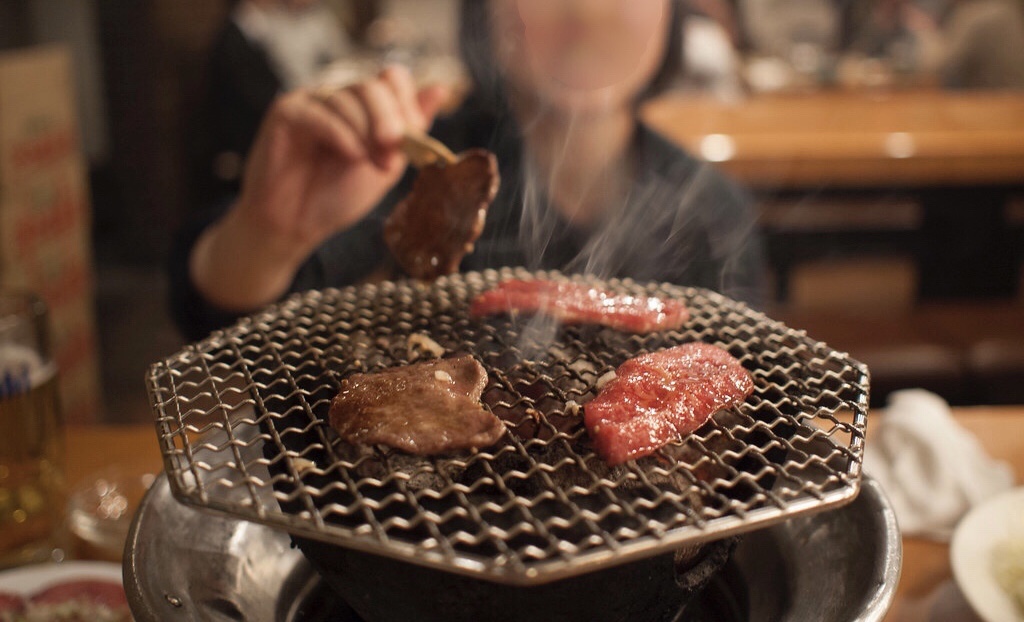 YakinikuMeat焼肉
🇯🇵 Japan and 2 moreJapanese grilled meat cooked at the table and dipped in savoury sauces
Main dish, Dinner, Lunch
YakinikuMeat焼肉
🇯🇵 Japan and 2 moreJapanese grilled meat cooked at the table and dipped in savoury sauces
Main dish, Dinner, Lunch
 Char siuMeat叉燒
🇨🇳 China and 5 moreCantonese-style pork, marinated and roasted until glazed and red
Main dish, Lunch, Dinner
Char siuMeat叉燒
🇨🇳 China and 5 moreCantonese-style pork, marinated and roasted until glazed and red
Main dish, Lunch, Dinner
 Hayashi riceMeatハヤシライス
🇯🇵 JapanBeef, onion and mushroom in demi-glace sauce over rice, a Japanese Western-style dish
Main dish, Lunch, Dinner
Hayashi riceMeatハヤシライス
🇯🇵 JapanBeef, onion and mushroom in demi-glace sauce over rice, a Japanese Western-style dish
Main dish, Lunch, Dinner
 Buddha Jumps Over the WallMeat佛跳牆
🇨🇳 China and 4 moreA lavish Fujian soup with seafood, meat and rare delicacies
Soup, Dinner
Buddha Jumps Over the WallMeat佛跳牆
🇨🇳 China and 4 moreA lavish Fujian soup with seafood, meat and rare delicacies
Soup, Dinner
 Dandan noodlesMeat担担面 / 擔擔麵
🇨🇳 China and 2 moreSichuan wheat noodles with spicy sauce, pickled vegetables, and minced pork
Noodle or pasta dish, Lunch, Dinner
Dandan noodlesMeat担担面 / 擔擔麵
🇨🇳 China and 2 moreSichuan wheat noodles with spicy sauce, pickled vegetables, and minced pork
Noodle or pasta dish, Lunch, Dinner
 ChamponMeatちゃんぽん
🇯🇵 JapanNagasaki noodle soup with pork, seafood and vegetables in a rich broth
Noodle or pasta dish, Lunch, Dinner
ChamponMeatちゃんぽん
🇯🇵 JapanNagasaki noodle soup with pork, seafood and vegetables in a rich broth
Noodle or pasta dish, Lunch, Dinner
 NaporitanMeatナポリタン
🇯🇵 JapanJapanese spaghetti with ketchup, sausage, peppers and mushrooms
Main dish, Lunch, Dinner
NaporitanMeatナポリタン
🇯🇵 JapanJapanese spaghetti with ketchup, sausage, peppers and mushrooms
Main dish, Lunch, Dinner
 gua baoMeat割包
🇨🇳 China and 5 moreSteamed folded bun filled with braised pork belly and condiments
Street food, Snacks, Lunch
gua baoMeat割包
🇨🇳 China and 5 moreSteamed folded bun filled with braised pork belly and condiments
Street food, Snacks, Lunch
 Sweet and sour porkMeat
🇨🇳 China and 5 moreCrispy pork pieces tossed in a tangy, colorful sweet and sour sauce
Main dish, Lunch, Dinner
Sweet and sour porkMeat
🇨🇳 China and 5 moreCrispy pork pieces tossed in a tangy, colorful sweet and sour sauce
Main dish, Lunch, Dinner
 MotsunabeMeatもつ鍋
🇯🇵 JapanJapanese hot pot with beef or pork offal, cabbage, and noodles
Soup, Dinner
MotsunabeMeatもつ鍋
🇯🇵 JapanJapanese hot pot with beef or pork offal, cabbage, and noodles
Soup, Dinner
Photo credits on this page
The small pictures above come from Wikimedia Commons under free licences. Some are cropped to fit.
- Motsunabe: w:ja:利用者:Hykw-a4, CC BY-SA 3.0, source
- Katsudon: Ocdp, CC0, source
- Takoyaki: heiwa4126, CC BY 2.0, source
- Ramen: Mariaaa05, CC BY-SA 4.0, source
- Yakitori: MShades, CC BY 2.0, source
- Tonkatsu: Minseong Kim, CC BY-SA 4.0, source
- Beef Stroganoff: Pittaya Sroilong, CC BY 2.0, source
- Japanese curry: Ocdp, CC0, source
- Oyakodon: Ocdp, CC0, source
- Schnitzel: Kobako, CC BY-SA 2.5, source
- Yakisoba: 221.20 ( talk ), Public domain, source
- Yakiniku: Jonathan Lin, CC BY-SA 2.0, source
- Char siu: Edsel Little, CC BY-SA 2.0, source
- Hayashi rice: Hiratake at Japanese Wikipedia, CC BY-SA 3.0, source
- Dandan noodles: Steven G. Johnson, CC BY-SA 3.0, source
- Champon: 663highland, CC BY 2.5, source
- Galbi: ayustety (a flickr user), CC BY-SA 2.0, source
- Naporitan: OiMax, CC BY 2.0, source
- gua bao: Lauren Topor, CC BY 2.0, source
- Sweet and sour pork: Walter Grassroot, CC BY-SA 3.0, source
- Buddha Jumps Over the Wall: SunSuke (さんすけ), CC BY-SA 2.5, source