🇯🇵 The food of Japan
142 dishes from Japan, best known first, across 49 cities and regions.
Japanese cooking centers on rice, seasonal produce, and seafood, with a focus on subtle flavors and careful presentation. Meals are built from small, separate dishes, often including pickles, soup, and sides. Over centuries, influences from China and the West have shaped the cuisine, but it remains distinct in its restraint and respect for ingredients.
- Rice, fish, and seasonal vegetables are core to every meal.
- Sushi began as a way to preserve fish by fermenting it in rice.
- Japanese etiquette includes saying 'itadakimasu' before eating.
- Each dish is served separately to keep flavors distinct.
- Meat became common only after the 19th century.
The cooking of Japan
Japanese food is shaped by the country's geography and history. Rice is the foundation, often served with miso soup and a variety of small side dishes. Fish, both cooked and raw, is central, reflecting Japan's island setting. Techniques like grilling, simmering, and deep-frying (as in tempura) are common, but oil and strong spices are used sparingly. Meals highlight the seasons, with ingredients chosen for freshness. Over time, dishes from China and the West, such as ramen and curry, have been adapted to local tastes. Presentation matters: each dish is served separately, often in its own bowl or plate.
Staple foods in Japan
Steamed white rice is the mainstay, eaten at nearly every meal. Noodles like soba (buckwheat) and udon (wheat) are also popular. Fish and seafood, grilled or raw, are common sources of protein. Soybeans, in forms like tofu and miso, are widely used. Pickled vegetables and seasonal greens round out meals. Meat became more common after the 19th century, with dishes like tonkatsu (breaded pork) and sukiyaki (beef hotpot).
From region to region in Japan
Regional cooking in Japan reflects local climate and history. In Kagoshima, pork is traditional, while beef is found in Oumi. Some areas, like Suwa, have customs involving deer. Sushi styles also vary by region, with some places favoring fermented versions and others preferring fresh. The use of certain ingredients, such as specific fish or vegetables, can differ widely from north to south.
At the table in Japan
Meals are served with rice on the left and soup on the right, with side dishes behind. Each food is placed in its own dish to keep flavors distinct. Chopsticks are used, and it's customary to say 'itadakimasu' before eating and 'go-chisō-sama deshita' after. On tatami floors, shoes are removed, and diners may sit kneeling or cross-legged, depending on formality and gender.
Festival and religious food in Japan
During New Year's, special feasts may include foods reflecting both Japanese and Western traditions. Some regions have rituals involving animal sacrifice for Shinto ceremonies. Historically, Buddhist influence meant that meat was avoided during certain periods, shaping festival foods to focus on fish and vegetables.
The facts in this overview come from the Wikipedia article "Japanese cuisine", written by its contributors and used under the CC BY-SA 4.0 licence. Thali rewrote the text in its own words, with AI assistance, and compares every page with the article to make sure no passage is copied. It may be reused under the same CC BY-SA 4.0 licence with a link back.
Cities and regions of Japan
 TeaVegan茶
🇨🇳 China and 5 moreA drink made by soaking tea leaves in hot or cold water
Drink
TofuVegan豆腐
🇨🇳 China and 5 moreSoft white blocks made by curdling soy milk and pressing the curds
Main dish
TeaVegan茶
🇨🇳 China and 5 moreA drink made by soaking tea leaves in hot or cold water
Drink
TofuVegan豆腐
🇨🇳 China and 5 moreSoft white blocks made by curdling soy milk and pressing the curds
Main dish
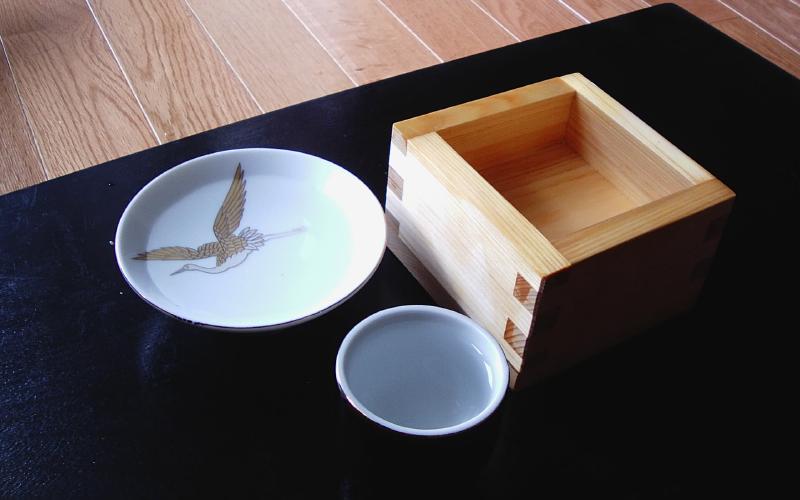 SakeVegan酒
🇯🇵 JapanJapanese alcoholic drink brewed from polished rice and kōji mold
Drink
SakeVegan酒
🇯🇵 JapanJapanese alcoholic drink brewed from polished rice and kōji mold
Drink
 Soy milkVegan豆奶
🇨🇳 China and 5 moreA plant-based drink made by soaking, grinding, and boiling soybeans
Drink, Breakfast, Snacks
Soy milkVegan豆奶
🇨🇳 China and 5 moreA plant-based drink made by soaking, grinding, and boiling soybeans
Drink, Breakfast, Snacks
 KabochaVeganカボチャ
🇯🇵 Japan and 5 moreA sweet, dense winter squash with edible skin, used in Japanese and Asian cooking
Main dish, Lunch, Dinner
KabochaVeganカボチャ
🇯🇵 Japan and 5 moreA sweet, dense winter squash with edible skin, used in Japanese and Asian cooking
Main dish, Lunch, Dinner
 MochiVegan餅
🇯🇵 JapanJapanese rice cake made by pounding glutinous rice into a sticky, chewy mass
Sweet or dessert
MochiVegan餅
🇯🇵 JapanJapanese rice cake made by pounding glutinous rice into a sticky, chewy mass
Sweet or dessert
 MatchaVegan抹茶
🇯🇵 Japan and 2 moreBright green Japanese tea powder made from shade-grown leaves
Drink
MatchaVegan抹茶
🇯🇵 Japan and 2 moreBright green Japanese tea powder made from shade-grown leaves
Drink
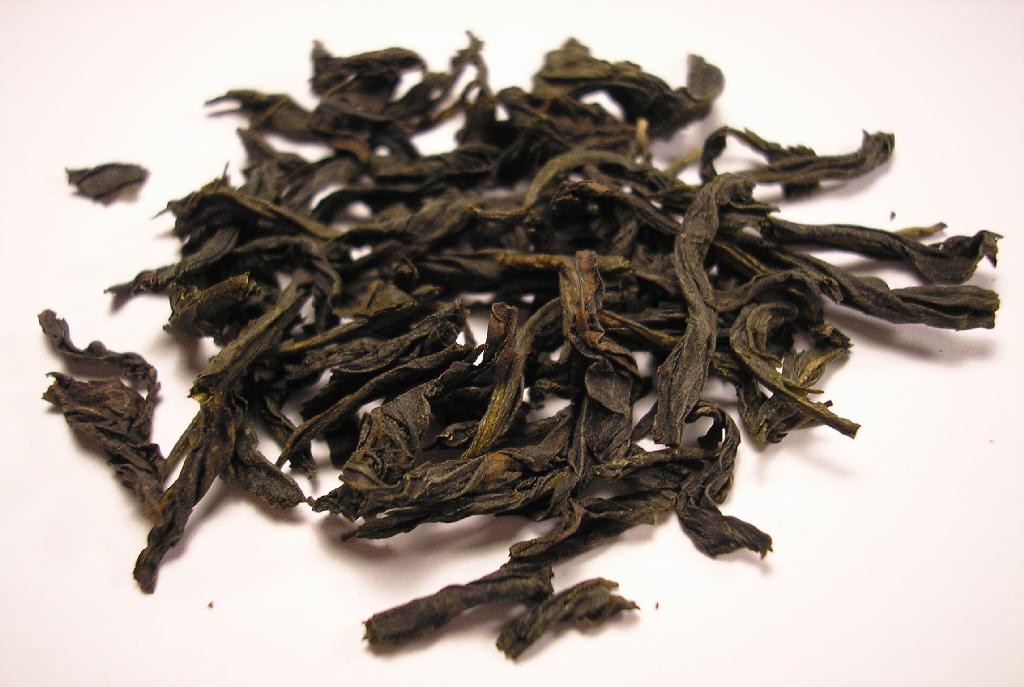 OolongVegan烏龍茶
🇨🇳 China and 3 moreA semi-oxidized Chinese tea with a wide range of flavors and aromas
Drink
OolongVegan烏龍茶
🇨🇳 China and 3 moreA semi-oxidized Chinese tea with a wide range of flavors and aromas
Drink
 SojuVegan소주
🇰🇷 South Korea and 3 moreClear Korean spirit distilled from grains or starches, usually enjoyed neat
Drink
SojuVegan소주
🇰🇷 South Korea and 3 moreClear Korean spirit distilled from grains or starches, usually enjoyed neat
Drink
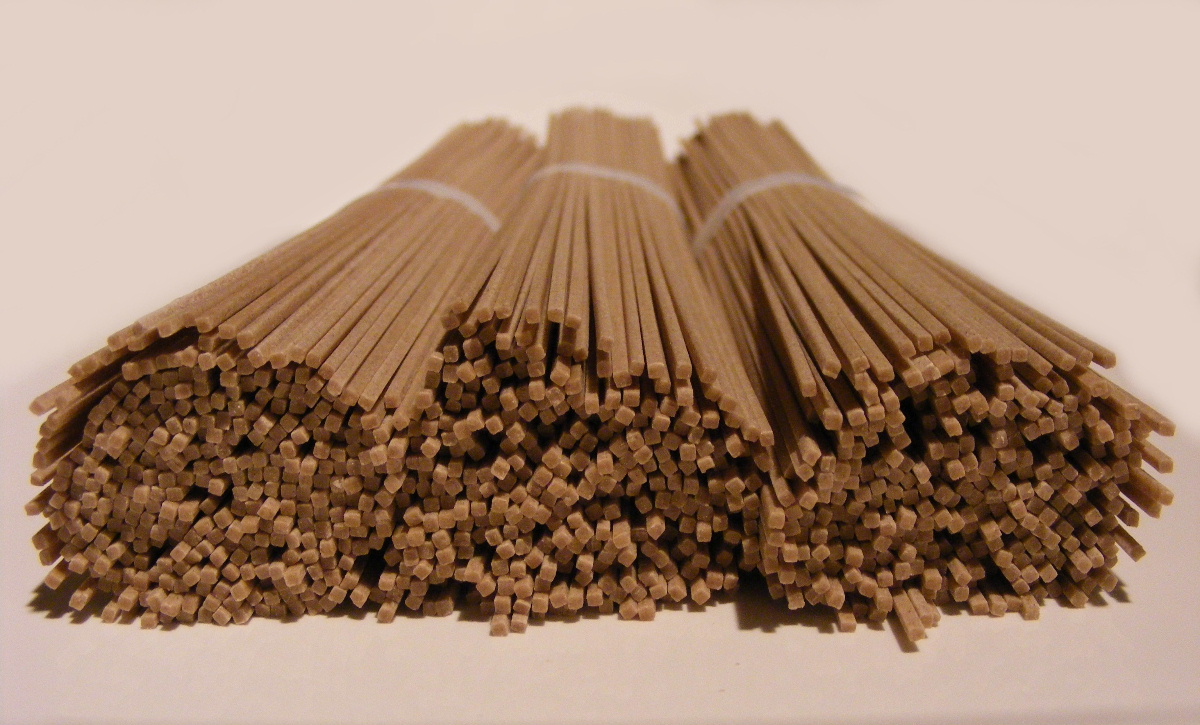 SobaVegan蕎麦
🇯🇵 Japan and 1 moreJapanese noodles made from buckwheat, served hot in broth or cold with dipping sauce
Noodle or pasta dish, Lunch, Dinner
SobaVegan蕎麦
🇯🇵 Japan and 1 moreJapanese noodles made from buckwheat, served hot in broth or cold with dipping sauce
Noodle or pasta dish, Lunch, Dinner
 NattoVegan納豆
🇯🇵 JapanSticky, fermented soybeans often eaten with rice at breakfast in Japan
Main dish, Breakfast, Lunch
NattoVegan納豆
🇯🇵 JapanSticky, fermented soybeans often eaten with rice at breakfast in Japan
Main dish, Breakfast, Lunch
 DangoVegan団子
🇯🇵 JapanJapanese sweet dumplings made from rice flour, often served on skewers
Sweet or dessert, Snacks, Tea time
DangoVegan団子
🇯🇵 JapanJapanese sweet dumplings made from rice flour, often served on skewers
Sweet or dessert, Snacks, Tea time
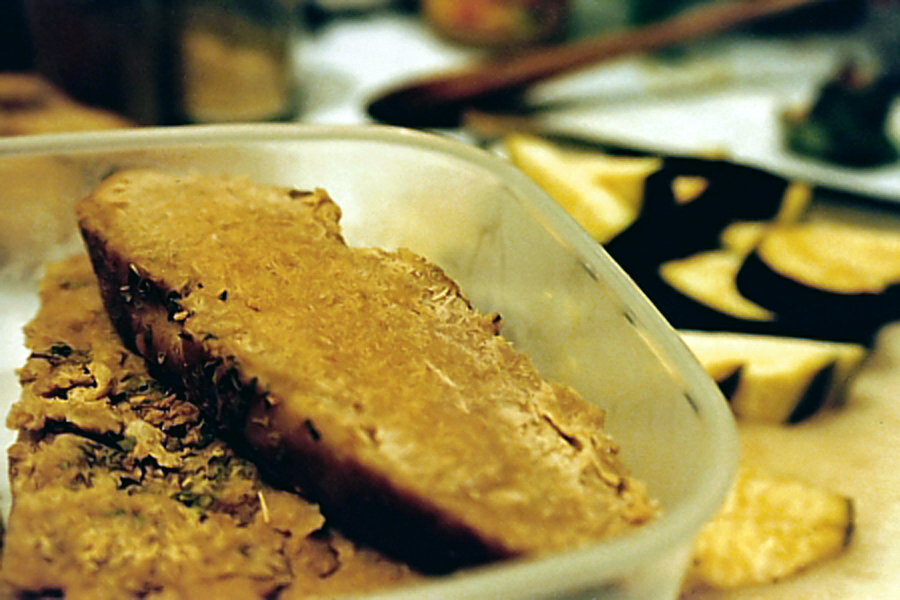 SeitanVegan
🇨🇳 China and 5 moreWheat gluten shaped and cooked as a meat substitute
Main dish
SeitanVegan
🇨🇳 China and 5 moreWheat gluten shaped and cooked as a meat substitute
Main dish
 Red bean pasteVegan
🇯🇵 Japan and 2 moreSweet or plain paste made from boiled adzuki beans, used in East Asian desserts
Sweet or dessert, Snacks, Tea time
Red bean pasteVegan
🇯🇵 Japan and 2 moreSweet or plain paste made from boiled adzuki beans, used in East Asian desserts
Sweet or dessert, Snacks, Tea time
 KosharyVeganكشرى
🇪🇬 Egypt and 2 moreA mix of rice, pasta, lentils and sauce topped with fried onions, from Egypt
Main dish, Lunch, Dinner
KosharyVeganكشرى
🇪🇬 Egypt and 2 moreA mix of rice, pasta, lentils and sauce topped with fried onions, from Egypt
Main dish, Lunch, Dinner
 ShōchūVegan焼酎
🇯🇵 JapanJapanese spirit distilled from rice, barley, sweet potato or other starches
Drink
ShōchūVegan焼酎
🇯🇵 JapanJapanese spirit distilled from rice, barley, sweet potato or other starches
Drink
 UmeboshiVegan梅干し
🇯🇵 JapanSour, salty pickled ume fruit from Japan, often served with rice
Sauce, pickle or ferment, Breakfast, Lunch
UmeboshiVegan梅干し
🇯🇵 JapanSour, salty pickled ume fruit from Japan, often served with rice
Sauce, pickle or ferment, Breakfast, Lunch
 DaifukuVegan大福餅
🇯🇵 JapanSmall mochi cakes filled with sweet bean paste or other fillings
Sweet or dessert, Snacks, Tea time
DaifukuVegan大福餅
🇯🇵 JapanSmall mochi cakes filled with sweet bean paste or other fillings
Sweet or dessert, Snacks, Tea time
 WagashiVegan和菓子
🇯🇵 JapanTraditional Japanese sweets made with plant-based ingredients and seasonal themes
Sweet or dessert, Tea time, Snacks
WagashiVegan和菓子
🇯🇵 JapanTraditional Japanese sweets made with plant-based ingredients and seasonal themes
Sweet or dessert, Tea time, Snacks
 YōkanVegan羊羹
🇯🇵 Japan and 1 moreA Japanese sweet block made from red bean paste, agar, and sugar
Sweet or dessert, Tea time, Snacks
YōkanVegan羊羹
🇯🇵 Japan and 1 moreA Japanese sweet block made from red bean paste, agar, and sugar
Sweet or dessert, Tea time, Snacks
 EdamameVegan枝豆
🇯🇵 Japan and 3 moreYoung green soybeans boiled or steamed in their pods, often served salted
Main dish, Snacks, Lunch
EdamameVegan枝豆
🇯🇵 Japan and 3 moreYoung green soybeans boiled or steamed in their pods, often served salted
Main dish, Snacks, Lunch
 TsukemonoVegan漬物
🇯🇵 JapanJapanese vegetables preserved in salt, brine, or rice bran
Sauce, pickle or ferment, Breakfast, Lunch
TsukemonoVegan漬物
🇯🇵 JapanJapanese vegetables preserved in salt, brine, or rice bran
Sauce, pickle or ferment, Breakfast, Lunch
 Beaujolais nouveauVegan
🇫🇷 France and 5 moreYoung red wine from France, released each November just weeks after harvest
Drink
Beaujolais nouveauVegan
🇫🇷 France and 5 moreYoung red wine from France, released each November just weeks after harvest
Drink
 Tofu skinVeganゆば
🇨🇳 China and 2 moreThin sheets formed from the surface of heated soy milk
Main dish
Tofu skinVeganゆば
🇨🇳 China and 2 moreThin sheets formed from the surface of heated soy milk
Main dish
 AmazakeVegan甘酒
🇯🇵 JapanSweet Japanese drink made from fermented rice, served warm or cold
Drink, Snacks
AmazakeVegan甘酒
🇯🇵 JapanSweet Japanese drink made from fermented rice, served warm or cold
Drink, Snacks
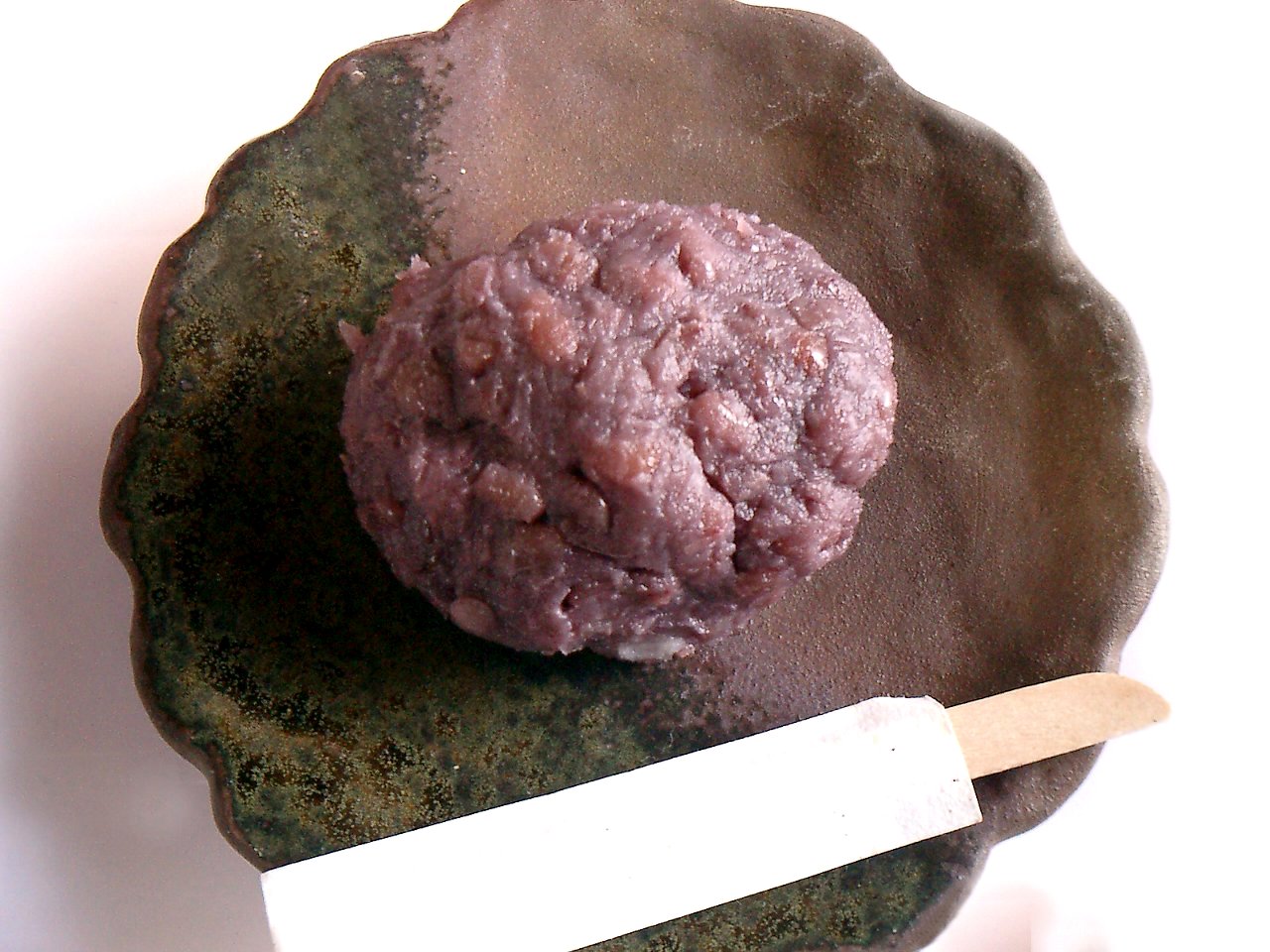 BotamochiVeganぼたもち or 牡丹餅
🇯🇵 JapanSweet rice balls covered with red bean paste, eaten during spring and autumn in Japan
Sweet or dessert, Snacks, Tea time
BotamochiVeganぼたもち or 牡丹餅
🇯🇵 JapanSweet rice balls covered with red bean paste, eaten during spring and autumn in Japan
Sweet or dessert, Snacks, Tea time
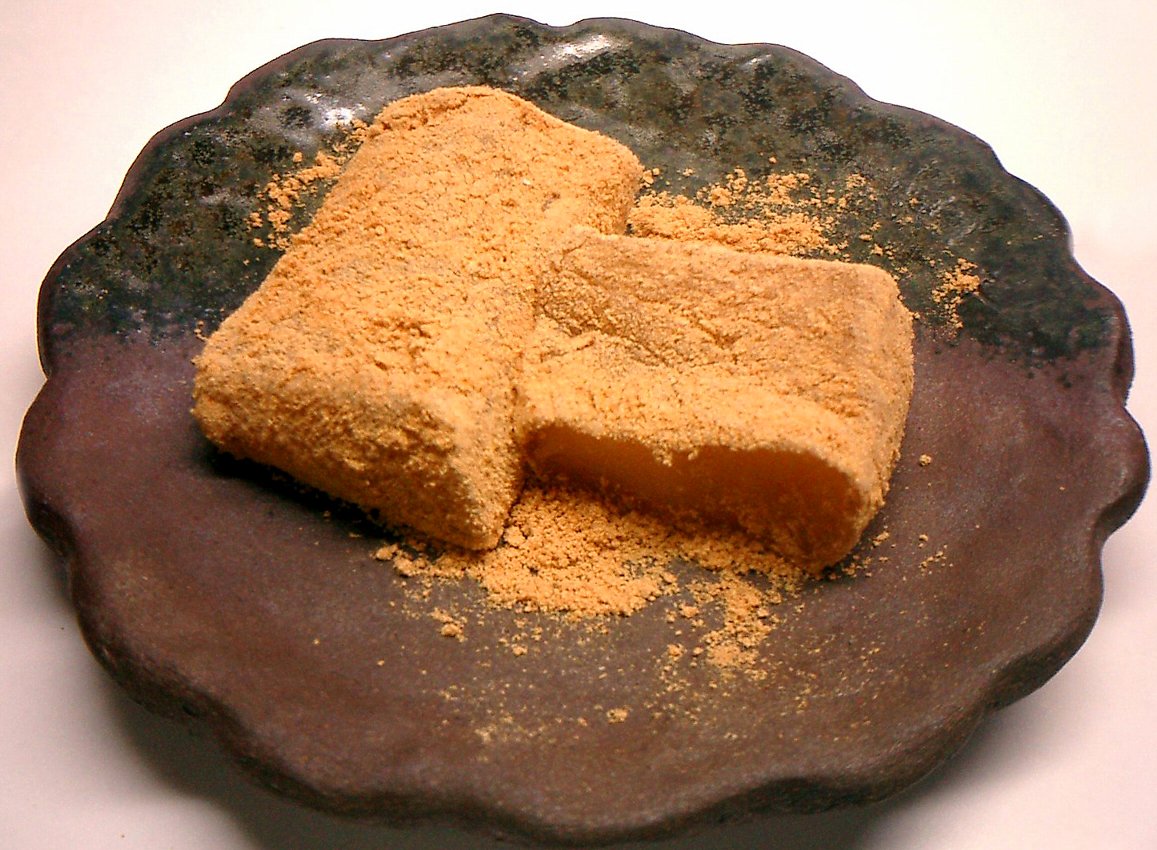 WarabimochiVegan蕨餅
🇯🇵 JapanSoft jelly-like sweets dusted with roasted soybean flour
Sweet or dessert, Snacks
WarabimochiVegan蕨餅
🇯🇵 JapanSoft jelly-like sweets dusted with roasted soybean flour
Sweet or dessert, Snacks
 Buddha's delightVegan羅漢齋
🇨🇳 China and 2 moreA Chinese vegetarian medley of vegetables, fungi and tofu simmered in soy sauce
Main dish, Lunch, Dinner
Buddha's delightVegan羅漢齋
🇨🇳 China and 2 moreA Chinese vegetarian medley of vegetables, fungi and tofu simmered in soy sauce
Main dish, Lunch, Dinner
 HojichaVegan焙じ茶
🇯🇵 JapanJapanese green tea roasted over charcoal for a toasty, mild flavor
Drink
HojichaVegan焙じ茶
🇯🇵 JapanJapanese green tea roasted over charcoal for a toasty, mild flavor
Drink
 şalgamVegan
🇹🇷 Turkey and 1 moreA sour, salty fermented drink of purple carrot and turnip from southern Turkey
Drink, Snacks, Dinner
şalgamVegan
🇹🇷 Turkey and 1 moreA sour, salty fermented drink of purple carrot and turnip from southern Turkey
Drink, Snacks, Dinner
 TosoVegan屠蘇
🇯🇵 Japan and 1 moreSpiced medicinal sake shared at Japanese New Year
Drink
TosoVegan屠蘇
🇯🇵 Japan and 1 moreSpiced medicinal sake shared at Japanese New Year
Drink
 Kashiwa mochiVegan柏餅
🇯🇵 JapanSweet mochi with red bean paste, wrapped in an oak leaf for Children's Day in Japan
Sweet or dessert, Snacks
Kashiwa mochiVegan柏餅
🇯🇵 JapanSweet mochi with red bean paste, wrapped in an oak leaf for Children's Day in Japan
Sweet or dessert, Snacks
 NamagashiVegan生菓子
🇯🇵 JapanMoist, artfully shaped Japanese sweets made with bean paste or fruit jelly
Sweet or dessert, Tea time, Snacks
NamagashiVegan生菓子
🇯🇵 JapanMoist, artfully shaped Japanese sweets made with bean paste or fruit jelly
Sweet or dessert, Tea time, Snacks
 Corn on the cobVegan
🇲🇽 Mexico and 5 moreSweet corn cooked and eaten straight from the cob, often with butter and salt
Main dish, Lunch, Dinner
Corn on the cobVegan
🇲🇽 Mexico and 5 moreSweet corn cooked and eaten straight from the cob, often with butter and salt
Main dish, Lunch, Dinner
 HigashiVegan干菓子・乾菓子
🇯🇵 JapanJapanese dry sweets made with sugar and flour, often served at tea ceremonies
Sweet or dessert
HigashiVegan干菓子・乾菓子
🇯🇵 JapanJapanese dry sweets made with sugar and flour, often served at tea ceremonies
Sweet or dessert
 Hishi mochiVegan菱餅 / ひしもち
🇯🇵 JapanLayered diamond-shaped mochi sweet for Girl's Day in Japan
Sweet or dessert
Hishi mochiVegan菱餅 / ひしもち
🇯🇵 JapanLayered diamond-shaped mochi sweet for Girl's Day in Japan
Sweet or dessert
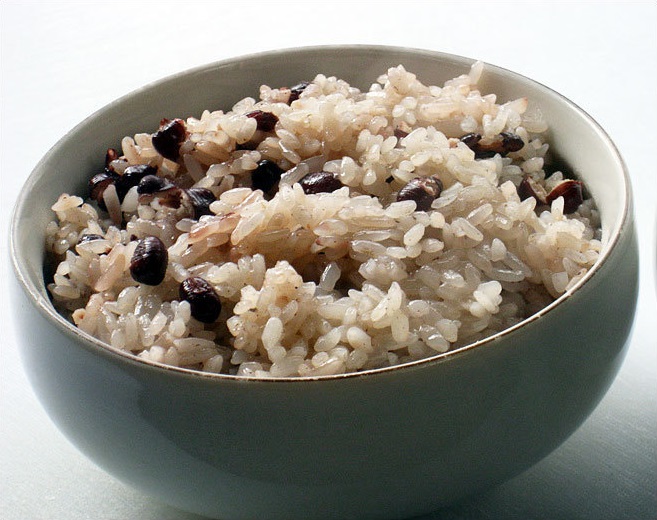 Red bean riceVegan
🇯🇵 Japan and 2 moreRice cooked with red beans, eaten for celebrations and winter in East Asia
Rice dish, Lunch, Dinner
Red bean riceVegan
🇯🇵 Japan and 2 moreRice cooked with red beans, eaten for celebrations and winter in East Asia
Rice dish, Lunch, Dinner
Photo credits on this page
The small pictures above come from Wikimedia Commons under free licences. Some are cropped to fit.
- Yōkan: Ocdp, CC0, source
- Wagashi: Ocdp, CC0, source
- Koshary: Dina Said, CC BY-SA 4.0, source
- Warabimochi: Tomomarusan, CC BY 2.5, source
- Hishi mochi: Midori, CC BY-SA 3.0, source
- Toso: midorisyu, CC BY 2.0, source
- Matcha: Evanhoever, CC BY-SA 4.0, source
- Seitan: Unknown author, GFDL, source
- Beaujolais nouveau: Agne27, CC BY-SA 3.0, source
- Mochi: Kropsoq, CC BY-SA 3.0, source
- Soy milk: Kjokkenutstyr, CC BY-SA 2.0, source
- Dango: Maakun, CC BY-SA 3.0, source
- Red bean paste: Midori, CC BY-SA 3.0, source
- Soba: FotoosVanRobin, CC BY-SA 2.0, source
- Sake: The Epopt, Public domain, source
- Tea: Difference engine, CC BY-SA 4.0, source
- Natto: Carstor, CC BY 3.0, source
- Shōchū: https://publicdomainq.net/shochu-japanese-liquor-0014762/, CC0, source
- Umeboshi: SEKIUCHI, CC BY-SA 3.0, source
- Daifuku: No machine-readable author provided. Lyzzy assumed (based on copyright, CC BY 2.5, source
- Edamame: yomi955, CC BY 2.0, source
- Tsukemono: Sue Le, CC BY-SA 3.0, source
- Kabocha: Theguy002, CC0, source
- Tofu skin: Taman Renyah, CC BY 3.0, source
- Amazake: emily_harbour_in_july, CC BY 2.0, source
- Botamochi: Tomomarusan, CC BY 2.5, source
- Buddha's delight: FotoosVanRobin, CC BY-SA 2.0, source
- Hojicha: FCartegnie, CC BY-SA 3.0, source
- Oolong: User Iateasquirrel on en.wikipedia, CC BY-SA 3.0, source
- Soju: Matt @ PEK, CC BY-SA 2.0, source
- şalgam: Anatolianpride, Public domain, source
- Kashiwa mochi: Jiangang Wang, Public domain, source
- Namagashi: akira yamada, CC BY-SA 2.0, source
- Higashi: iwaryo, CC BY 2.0, source
- Corn on the cob: NeoBatfreak, CC BY-SA 4.0, source
- Red bean rice: 경빈마마, CC BY 2.0 kr, source