🇨🇦 The food of Canada
68 dishes from Canada, best known first, across 14 cities and regions.
Canadian cooking is shaped by Indigenous roots, waves of British and French settlement, and later global immigration. It stands out for its focus on local ingredients, regional diversity, and the blending of many food traditions, creating a cuisine that is both multicultural and deeply tied to place.
- Maple syrup was first made by Indigenous peoples.
- Bannock is a flatbread eaten across Canada.
- Tourtière is a Canadian meat pie with French roots.
- Seafood is central in the Maritimes and on the coasts.
- Pierogi became common due to Eastern European immigration.
The cooking of Canada
Canadian food brings together Indigenous knowledge, European settler traditions, and later arrivals from around the world. The result is a mix of techniques and dishes, often adapted to local resources and climates. Meals often highlight the best of what grows or is caught nearby, like oysters from Prince Edward Island or wild game in the North. The cuisine values the quality of ingredients and the story of where they come from. Stews, breads, and preserved foods are common, reflecting both the need to store food for harsh winters and the influence of mobile or frontier lifestyles. Dishes are often rich and hearty, with a strong presence of wild foods and multicultural touches.
Staple foods in Canada
Staple foods vary by region but often include bread, potatoes, and other root vegetables, along with game meats like deer and moose. Fish and seafood are central on the coasts, especially cod, salmon, and shellfish. Maple syrup, first used by Indigenous peoples, is a key sweetener. Bannock, a type of flatbread, is eaten across the country. Dairy, especially Canadian Cheddar, and grains are also widely used.
From region to region in Canada
Canadian cooking changes from coast to coast. In the Maritimes, seafood like lobster and dulse (a type of seaweed) are common. Quebec has its own French-rooted cuisine, with dishes like tourtière (meat pie). The North features wild game and preserved meats, while British Columbia is known for salmon and crab. Prairie provinces may focus more on beef and bison. Each region adapts dishes to local ingredients, and immigrant communities have added their own foods, such as pierogi in the Prairies.
The facts in this overview come from the Wikipedia article "Canadian cuisine", written by its contributors and used under the CC BY-SA 4.0 licence. Thali rewrote the text in its own words, with AI assistance, and compares every page with the article to make sure no passage is copied. It may be reused under the same CC BY-SA 4.0 licence with a link back.
 French friesVeganpommes frites
🇫🇷 France and 5 moreDeep-fried strips of potato, served hot and salted
Street food, Lunch, Dinner
French friesVeganpommes frites
🇫🇷 France and 5 moreDeep-fried strips of potato, served hot and salted
Street food, Lunch, Dinner
 Doughnut
🇺🇸 United States and 5 moreSweet fried or baked rings or balls, often glazed or filled
Sweet or dessert, Breakfast, Snacks
Doughnut
🇺🇸 United States and 5 moreSweet fried or baked rings or balls, often glazed or filled
Sweet or dessert, Breakfast, Snacks
 ShawarmaMeatشاورما
🇸🇾 Syria and 5 moreMeat roasted on a vertical spit and sliced into flatbread with sauces and vegetables
Street food, Lunch, Dinner
ShawarmaMeatشاورما
🇸🇾 Syria and 5 moreMeat roasted on a vertical spit and sliced into flatbread with sauces and vegetables
Street food, Lunch, Dinner
 Kefir
🇷🇺 Russia and 5 moreA tangy, fermented milk drink made with kefir grains
Drink, Breakfast, Lunch
Kefir
🇷🇺 Russia and 5 moreA tangy, fermented milk drink made with kefir grains
Drink, Breakfast, Lunch
 MuktukMeat
🇬🇱 Greenland and 1 moreWhale skin and blubber eaten by Inuit and other Arctic peoples
Main dish, Snacks
MuktukMeat
🇬🇱 Greenland and 1 moreWhale skin and blubber eaten by Inuit and other Arctic peoples
Main dish, Snacks
 Apple pieVegetarian
🇬🇧 United Kingdom and 5 moreA baked pie with apple filling and pastry crust, served hot or cold
Sweet or dessert, Snacks
Apple pieVegetarian
🇬🇧 United Kingdom and 5 moreA baked pie with apple filling and pastry crust, served hot or cold
Sweet or dessert, Snacks
 Bagel
🇵🇱 Poland and 2 moreRing-shaped bread roll, boiled then baked for a dense, chewy texture
Bread, Breakfast, Lunch
Bagel
🇵🇱 Poland and 2 moreRing-shaped bread roll, boiled then baked for a dense, chewy texture
Bread, Breakfast, Lunch
 Iced teaVegan
🇺🇸 United States and 5 moreChilled tea served over ice, sometimes sweetened or flavored with fruit
Drink, Lunch, Dinner
Pierogi
🇵🇱 Poland and 6 moreDumplings of unleavened dough filled with savory or sweet mixtures
Dumpling, Lunch, Dinner
Iced teaVegan
🇺🇸 United States and 5 moreChilled tea served over ice, sometimes sweetened or flavored with fruit
Drink, Lunch, Dinner
Pierogi
🇵🇱 Poland and 6 moreDumplings of unleavened dough filled with savory or sweet mixtures
Dumpling, Lunch, Dinner
 GyrosMeatγύρος
🇬🇷 Greece and 3 moreGreek pita wrap with rotisserie meat, tomato, onion, fries and tzatziki
Sandwich or wrap, Lunch, Dinner
GyrosMeatγύρος
🇬🇷 Greece and 3 moreGreek pita wrap with rotisserie meat, tomato, onion, fries and tzatziki
Sandwich or wrap, Lunch, Dinner
 Eggnog
🇺🇸 United States and 5 moreA creamy, sweet drink of milk, eggs, sugar and spirits, served at Christmas
Drink, Snacks
Eggnog
🇺🇸 United States and 5 moreA creamy, sweet drink of milk, eggs, sugar and spirits, served at Christmas
Drink, Snacks
 Poutine
🇨🇦 CanadaFries topped with cheese curds and hot brown gravy from Quebec
Main dish, Lunch, Dinner
Poutine
🇨🇦 CanadaFries topped with cheese curds and hot brown gravy from Quebec
Main dish, Lunch, Dinner
 Scone
🇬🇧 United Kingdom and 5 moreA quick bread, sweet or savoury, served with tea in Britain and beyond
Bread, Tea time, Breakfast
Scone
🇬🇧 United Kingdom and 5 moreA quick bread, sweet or savoury, served with tea in Britain and beyond
Bread, Tea time, Breakfast
 FudgeVegetarian
🇺🇸 United States and 2 moreSoft, creamy confection made from sugar, butter and milk
Sweet or dessert, Snacks
Dim sum点心
🇨🇳 China and 5 moreA variety of small Chinese dishes served with tea, often for brunch
Main dish, Breakfast, Lunch
FudgeVegetarian
🇺🇸 United States and 2 moreSoft, creamy confection made from sugar, butter and milk
Sweet or dessert, Snacks
Dim sum点心
🇨🇳 China and 5 moreA variety of small Chinese dishes served with tea, often for brunch
Main dish, Breakfast, Lunch
 Bánh mì
🇻🇳 Vietnam and 5 moreA Vietnamese baguette sandwich with savory fillings and pickled vegetables
Sandwich or wrap, Breakfast, Snacks
Bánh mì
🇻🇳 Vietnam and 5 moreA Vietnamese baguette sandwich with savory fillings and pickled vegetables
Sandwich or wrap, Breakfast, Snacks
 ColeslawVegetariankoolsla
🇳🇱 Netherlands and 5 moreShredded raw cabbage salad with a creamy or tangy dressing
Salad or side, Lunch, Dinner
ColeslawVegetariankoolsla
🇳🇱 Netherlands and 5 moreShredded raw cabbage salad with a creamy or tangy dressing
Salad or side, Lunch, Dinner
 Corned beefMeat
🇮🇪 Ireland and 5 moreSalt-cured beef, often pink, eaten fresh or canned in many countries
Main dish, Breakfast, Lunch
Corned beefMeat
🇮🇪 Ireland and 5 moreSalt-cured beef, often pink, eaten fresh or canned in many countries
Main dish, Breakfast, Lunch
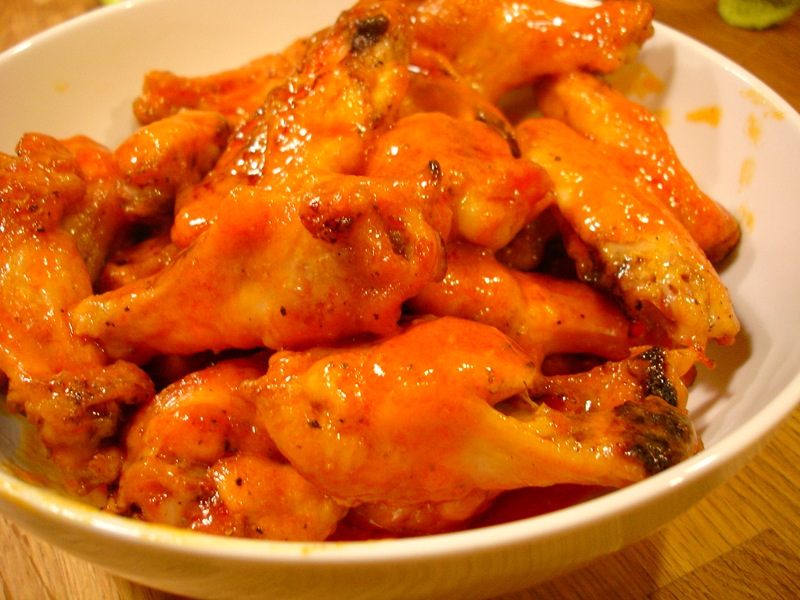 Buffalo wingsMeat
🇺🇸 United States and 1 moreDeep-fried chicken wings tossed in spicy cayenne pepper sauce and butter
Main dish, Snacks, Lunch
Buffalo wingsMeat
🇺🇸 United States and 1 moreDeep-fried chicken wings tossed in spicy cayenne pepper sauce and butter
Main dish, Snacks, Lunch
 Pain au chocolatVegetarian
🇫🇷 France and 2 moreA flaky pastry filled with bars of dark chocolate
Pie or savoury pastry, Breakfast, Snacks
Pain au chocolatVegetarian
🇫🇷 France and 2 moreA flaky pastry filled with bars of dark chocolate
Pie or savoury pastry, Breakfast, Snacks
 Club sandwichMeat
🇺🇸 United States and 2 moreA three-layer toasted sandwich with poultry, bacon, lettuce, tomato and mayonnaise
Sandwich or wrap, Lunch, Snacks
Club sandwichMeat
🇺🇸 United States and 2 moreA three-layer toasted sandwich with poultry, bacon, lettuce, tomato and mayonnaise
Sandwich or wrap, Lunch, Snacks
 Ginger snapVegetarian
🇦🇺 Australia and 5 moreA crisp biscuit flavoured with ginger and spices, popular in many countries
Sweet or dessert, Tea time, Snacks
Ginger snapVegetarian
🇦🇺 Australia and 5 moreA crisp biscuit flavoured with ginger and spices, popular in many countries
Sweet or dessert, Tea time, Snacks
 SaganakiVegetarianσαγανάκι
🇬🇷 Greece and 3 moreGreek fried cheese starter served hot from a small pan
Main dish, Snacks
Candy appleVegan
🇺🇸 United States and 5 moreWhole apples dipped in a hard red sugar candy shell on a stick
Sweet or dessert, Snacks
SaganakiVegetarianσαγανάκι
🇬🇷 Greece and 3 moreGreek fried cheese starter served hot from a small pan
Main dish, Snacks
Candy appleVegan
🇺🇸 United States and 5 moreWhole apples dipped in a hard red sugar candy shell on a stick
Sweet or dessert, Snacks
 Baked beans
🇺🇸 United States and 3 moreWhite beans slow-cooked in a sweet or savory sauce, often served hot or on toast
Main dish, Breakfast, Lunch
Baked beans
🇺🇸 United States and 3 moreWhite beans slow-cooked in a sweet or savory sauce, often served hot or on toast
Main dish, Breakfast, Lunch
 KielbasaMeat
🇵🇱 Poland and 5 moreA family of seasoned sausages from Poland and Eastern Europe
Sausage or cured food, Lunch, Dinner
KielbasaMeat
🇵🇱 Poland and 5 moreA family of seasoned sausages from Poland and Eastern Europe
Sausage or cured food, Lunch, Dinner
 Galette
🇫🇷 France and 1 moreFlat French cakes or pies, from rustic fruit tarts to buckwheat pancakes
Pie or savoury pastry, Breakfast, Lunch
Galette
🇫🇷 France and 1 moreFlat French cakes or pies, from rustic fruit tarts to buckwheat pancakes
Pie or savoury pastry, Breakfast, Lunch
 Pickled herringFish or seafood
🇳🇱 Netherlands and 5 moreHerring preserved in salt and vinegar, eaten across Northern and Eastern Europe
Sausage or cured food, Snacks, Lunch
Pickled herringFish or seafood
🇳🇱 Netherlands and 5 moreHerring preserved in salt and vinegar, eaten across Northern and Eastern Europe
Sausage or cured food, Snacks, Lunch
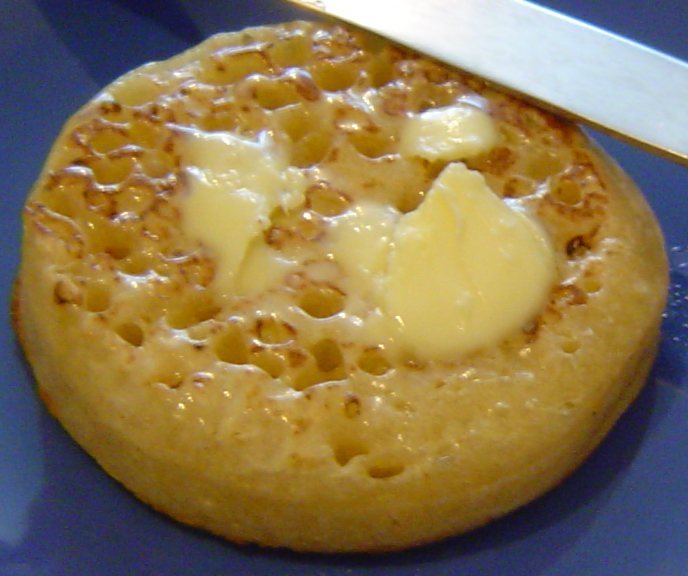 CrumpetVegetarian
🇬🇧 United Kingdom and 5 moreRound, spongy griddle bread with a porous top, often eaten toasted with butter
Bread, Breakfast, Snacks
PastizzVegetarianPastizzi
🇲🇹 Malta and 5 moreMaltese savoury pastry filled with ricotta or curried peas
Pie or savoury pastry, Breakfast, Snacks
CrumpetVegetarian
🇬🇧 United Kingdom and 5 moreRound, spongy griddle bread with a porous top, often eaten toasted with butter
Bread, Breakfast, Snacks
PastizzVegetarianPastizzi
🇲🇹 Malta and 5 moreMaltese savoury pastry filled with ricotta or curried peas
Pie or savoury pastry, Breakfast, Snacks
 Zeppole
🇮🇹 Italy and 3 moreItalian deep-fried dough balls, sweet or savory, often filled or topped
Pie or savoury pastry, Snacks, Tea time
Zeppole
🇮🇹 Italy and 3 moreItalian deep-fried dough balls, sweet or savory, often filled or topped
Pie or savoury pastry, Snacks, Tea time
 Korean fried chickenMeat치킨
🇰🇷 South Korea and 5 moreCrispy fried chicken from South Korea, often served with sauces and pickled radish
Main dish, Lunch, Dinner
Korean fried chickenMeat치킨
🇰🇷 South Korea and 5 moreCrispy fried chicken from South Korea, often served with sauces and pickled radish
Main dish, Lunch, Dinner
 Candy corn
🇺🇸 United States and 1 moreTri-colored sweet shaped like a kernel, linked with autumn and Halloween in the US
Sweet or dessert, Snacks
Candy corn
🇺🇸 United States and 1 moreTri-colored sweet shaped like a kernel, linked with autumn and Halloween in the US
Sweet or dessert, Snacks
 Scallion pancakeVegan蔥油餅
🇨🇳 China and 3 moreLayered Chinese flatbread with scallions, pan-fried until crisp and chewy
Bread, Snacks
Scallion pancakeVegan蔥油餅
🇨🇳 China and 3 moreLayered Chinese flatbread with scallions, pan-fried until crisp and chewy
Bread, Snacks
 Cardamom breadVegetarian
🇫🇮 Finland and 3 moreEnriched Nordic sweet bread scented with cardamom, served with coffee or tea
Bread, Snacks, Tea time
Cardamom breadVegetarian
🇫🇮 Finland and 3 moreEnriched Nordic sweet bread scented with cardamom, served with coffee or tea
Bread, Snacks, Tea time
 Jamaican patty
🇯🇲 Jamaica and 5 moreGolden, flaky pastry turnovers filled with spiced meat or other savoury fillings
Pie or savoury pastry, Lunch, Dinner
Jamaican patty
🇯🇲 Jamaica and 5 moreGolden, flaky pastry turnovers filled with spiced meat or other savoury fillings
Pie or savoury pastry, Lunch, Dinner
 Butter tartVegetariantarte au beurre
🇨🇦 CanadaSmall Canadian pastry tarts with a sweet, gooey filling
Pie or savoury pastry, Snacks
Butter tartVegetariantarte au beurre
🇨🇦 CanadaSmall Canadian pastry tarts with a sweet, gooey filling
Pie or savoury pastry, Snacks
 Korean tacoMeat
🇺🇸 United States and 2 moreCorn tortilla filled with Korean-style meat and vegetables
Street food, Lunch, Dinner
Korean tacoMeat
🇺🇸 United States and 2 moreCorn tortilla filled with Korean-style meat and vegetables
Street food, Lunch, Dinner
 Peanut butterVegan
🇺🇸 United States and 5 moreA thick paste made by grinding roasted peanuts, used in sweet and savoury foods
Sauce, pickle or ferment, Breakfast, Lunch
Peanut butterVegan
🇺🇸 United States and 5 moreA thick paste made by grinding roasted peanuts, used in sweet and savoury foods
Sauce, pickle or ferment, Breakfast, Lunch
Photo credits on this page
The small pictures above come from Wikimedia Commons under free licences. Some are cropped to fit.
- Buffalo wings: stef yau, CC BY 2.0, source
- Doughnut: Angeldm, CC BY-SA 3.0, source
- Kielbasa: Mariuszjbie, CC BY 3.0, source
- Club sandwich: Memm, CC BY 3.0, source
- Poutine: Jonathunder, GFDL 1.2, source
- Fudge: Siona Watson, CC BY 2.0, source
- Bagel: Evan-Amos, Public domain, source
- Peanut butter: PiccoloNamek at English Wikipedia, CC BY-SA 3.0, source
- French fries: Horacio Cambeiro, CC BY 4.0, source
- Shawarma: جنان مريش, CC BY-SA 4.0, source
- Scone: Benson Kua, CC BY-SA 2.0, source
- Corned beef: BrokenSphere, CC BY-SA 3.0, source
- Candy corn: Evan-Amos, Public domain, source
- Kefir: -donald-, CC BY-SA 3.0, source
- Jamaican patty: ritcharnd moskow, CC BY-SA 2.0, source
- Gyros: Antonio Fajardo i López, CC BY-SA 3.0, source
- Butter tart: Alex Lozupone, CC BY-SA 4.0, source
- Korean taco: Arnold Gatilao, CC BY 2.0, source
- Pain au chocolat: Luc Viatour, CC BY-SA 3.0, source
- Muktuk: Lisa Risager, CC BY-SA 2.0, source
- Saganaki: Tammy Green, CC BY-SA 2.0, source
- Galette: Gorrk, CC BY-SA 3.0, source
- Apple pie: Dan Parsons, CC BY-SA 2.0, source
- Iced tea: Oceanmuse, CC BY 4.0, source
- Eggnog: David Monniaux, CC BY-SA 3.0, source
- Crumpet: Unknown author, CC BY-SA 3.0, source
- Korean fried chicken: KOREA.NET, CC BY-SA 2.0, source
- Bánh mì: Andrea Nguyen, CC BY 2.0, source
- Coleslaw: Unknown author, CC BY-SA 2.0, source
- Zeppole: I, Calcagnile Floriano, Florixc, CC BY-SA 3.0, source
- Ginger snap: Samuel Wiki, CC0, source
- Scallion pancake: Howard61313, GFDL, source
- Cardamom bread: W.carter, CC0, source
- Baked beans: Silar, CC BY-SA 3.0, source
- Pickled herring: MOs810, CC BY-SA 4.0, source