🇮🇳 The food of India
262 dishes from India, best known first, across 60 cities and regions.
Indian cooking brings together a huge range of regional and religious traditions, shaped by centuries of trade, migration, and local crops. Meals center on grains like rice or wheat, paired with lentils, vegetables, and carefully chosen spices. Distinctive techniques and a deep vegetarian tradition set it apart from other world cuisines.
- Lentils and pulses are used in many forms, including whole, split, or dehusked.
- Two unique techniques: frying spice pastes and adding fried spices to dishes.
- Street foods like vada pav, kati rolls, and idli vary by city.
- Vegetarianism is widespread, especially in Gujarat and among Jains.
- Festival foods include sweets like kheer, halwa, and puran poli.
The cooking of India
Indian food is shaped by thousands of years of cultural exchange, migration, and religious practice. Its character comes from the interplay of local grains, lentils, and vegetables, with a wide palette of spices such as turmeric, cumin, and cardamom. Cooking methods range from slow stewing to frying spice pastes or adding fried spices to finished dishes. The cuisine is known for its regional variety, from coconut-rich southern stews to wheat-based breads in the north. Vegetarianism is widespread, influenced by Hindu, Jain, and Buddhist beliefs, while Muslim and Christian communities contribute their own dishes. Food is often prepared with simple tools, but the process can be labor-intensive, involving grinding and blending.
Staple foods in India
Core foods are rice, wheat (often as flatbreads), and lentils, with pulses like mung, pigeon pea, and black gram used in many forms. Oils vary by region: coconut in the south, mustard in the east, peanut in the north and west. Spices are essential, with each region using its own blends. Vegetables, pickles, and dairy products like yogurt are common accompaniments.
Snacks and street food in India
Street food is highly regional. In Mumbai, vada pav (a spiced potato fritter in a bun) is popular. Kolkata is known for kati rolls, which wrap spiced fillings in flatbread. Chennai’s streets offer idli (steamed rice cakes) with sambar (a lentil stew). Delhi’s Muslim heritage brings kebabs and other meat snacks.
From region to region in India
Northern India favors wheat breads, lentils, and dishes cooked with the dum pukht technique, where food is sealed and slow-cooked. Kashmir is known for rich meat dishes. Western India features vegetarian stews and sweets, with Goan food blending Indian and Portuguese influences. The east relies on rice, fish, and mustard, while the south uses rice, coconut, and steaming. Each region’s climate and dominant religion shape its food.
Festival and religious food in India
Festivals bring special foods. During Diwali, sweets like kheer (rice pudding) and halwa are made. Holi sees puran poli (sweet stuffed bread) and gujia (sweet dumplings). For religious offerings, food is presented to deities and then shared as prasāda. Fasting days allow only certain foods, such as dairy, fruits, and starchy roots.
The facts in this overview come from the Wikipedia article "Indian cuisine", written by its contributors and used under the CC BY-SA 4.0 licence. Thali rewrote the text in its own words, with AI assistance, and compares every page with the article to make sure no passage is copied. It may be reused under the same CC BY-SA 4.0 licence with a link back.
Cities and regions of India
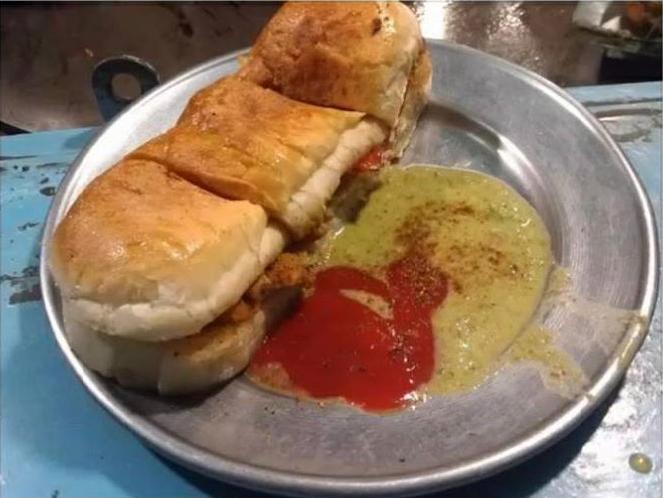

Photo credits on this page
The small pictures above come from Wikimedia Commons under free licences. Some are cropped to fit.
- Bun kebab: LunaticFringe97, CC BY-SA 4.0, source
- Bombay sandwich: Wind Hashira, CC BY-SA 4.0, source