🇲🇽 The food of Mexico
99 dishes from Mexico, best known first, across 45 cities and regions.
Mexican cooking is rooted in ancient Mesoamerican traditions, centered on maize, beans, and chiles, and shaped by centuries of Indigenous, Spanish, and later influences. Regional diversity, a mix of native and imported ingredients, and deep ties to festivals and daily life set it apart from other cuisines.
- Maize tortillas are eaten with nearly every meal.
- Chiles define the flavor of most Mexican sauces.
- Edible insects like grasshoppers are a traditional food.
- Chocolate originated in Mexico and is still widely used.
- UNESCO recognizes Mexican cuisine as cultural heritage.
The cooking of Mexico
Mexican cuisine blends the foodways of early agricultural societies with Spanish and later influences. Corn, beans, and chile peppers form the backbone, while local vegetables, edible flowers, and tropical fruits add variety. Spanish colonization brought meats, dairy, rice, and new cooking methods, leading to a rich fusion. Sauces and salsas, often built around different types of chiles, define many dishes. Cooking methods range from grinding corn by hand for tortillas to frying in pork fat, and the use of tools like the comal (griddle) and molcajete (stone mortar) remains important. Meals are deeply social, with special foods for festivals and family gatherings.
Staple foods in Mexico
Corn is the main grain, used for tortillas, tamales, and drinks like atole. Beans, especially pinto and black varieties, are eaten daily and often paired with corn to make a complete protein. Chiles are used fresh, dried, or smoked, giving dishes their distinct flavors. Other staples include squash, avocados, tomatoes, cacao, and a wide range of vegetables. Spanish-introduced foods such as pork, chicken, beef, cheese, rice, and wheat are now common. Edible insects, tropical fruits, and native greens also play a role.
Breakfast in Mexico 18 dishes
Breakfast is usually light, often just coffee or atole. Sometimes it includes tacos, enchiladas, or meat with eggs, served with beans and tortillas. In some places, meat in broth, like pancita, is typical. Sweet bread with coffee or chocolate is also common.
Lunch in Mexico 53 dishes
The main meal, called comida, is eaten between noon and 2 p.m. It often starts with soup or pasta, followed by meat in sauce, beans, and tortillas. Fruit drinks are sometimes served. This meal is the heaviest of the day and is central to family life.
Dinner in Mexico 55 dishes
Supper is lighter and varies by region. It is usually eaten between 6 and 9 p.m. Leftovers from lunch or sweet bread with coffee or chocolate are common choices.
Sweets and drinks in Mexico
Sweets in Mexico often reflect Spanish and Moorish roots, with treats like churros and alfeñiques. Chocolate, native to Mexico, remains important. Drinks include coffee, chocolate, and atole, a warm maize-based beverage. Fruit drinks are also popular, especially at midday.
From region to region in Mexico
Regional cooking in Mexico is shaped by local ingredients and traditions. Oaxaca is known for unique tortillas made from plantain or wild greens. Baja Med cuisine blends Mexican and Mediterranean styles. Coastal areas favor seafood, often with Spanish-inspired preparations. The center and south use more tropical fruits and indigenous vegetables. Regional specialties include moles, barbacoa, and carnitas, each with distinct sauces and techniques.
At the table in Mexico
Meals are social events, often eaten at home, especially in rural areas. Four meals are typical: a light breakfast, a mid-morning snack, a large midday meal, and a lighter supper. Food is prepared with care, often as an expression of commitment to family and guests. Traditional tools and methods are still valued, especially for special occasions.
Festival and religious food in Mexico
Festive foods are elaborate and symbolic. For Day of the Dead, tamales and mole are placed on altars for ancestors. In central Mexico, festival dishes like mole, barbacoa, and mixiotes are made in large quantities for gatherings. Cooking for festivals is a communal effort, reinforcing social bonds.
The facts in this overview come from the Wikipedia article "Mexican cuisine", written by its contributors and used under the CC BY-SA 4.0 licence. Thali rewrote the text in its own words, with AI assistance, and compares every page with the article to make sure no passage is copied. It may be reused under the same CC BY-SA 4.0 licence with a link back.
Cities and regions of Mexico
 TequilaVegan
🇲🇽 MexicoMexican spirit distilled from blue agave in Jalisco and nearby regions
Drink
TequilaVegan
🇲🇽 MexicoMexican spirit distilled from blue agave in Jalisco and nearby regions
Drink
 Hot chocolate
🇲🇽 Mexico and 5 moreA warm drink made from chocolate or cocoa, milk or water, and sugar
Drink, Breakfast, Snacks
Hot chocolate
🇲🇽 Mexico and 5 moreA warm drink made from chocolate or cocoa, milk or water, and sugar
Drink, Breakfast, Snacks
 Taco
🇲🇽 Mexico and 1 moreA folded tortilla filled with meat, beans or vegetables, eaten by hand
Street food, Lunch, Dinner
Taco
🇲🇽 Mexico and 1 moreA folded tortilla filled with meat, beans or vegetables, eaten by hand
Street food, Lunch, Dinner
 GuacamoleVegan
🇲🇽 Mexico and 1 moreAvocado mashed with lime, salt, and herbs, served as a dip or spread
Sauce, pickle or ferment, Snacks, Lunch
GuacamoleVegan
🇲🇽 Mexico and 1 moreAvocado mashed with lime, salt, and herbs, served as a dip or spread
Sauce, pickle or ferment, Snacks, Lunch
 Mojito
🇨🇺 Cuba and 5 moreCuban cocktail of white rum, lime, mint, sugar and soda water over ice
Drink
Blood sausageMeat
🇫🇷 France and 5 moreA sausage made with animal blood, fillers and spices, cooked or dried until firm
Main dish, Lunch, Dinner
Mojito
🇨🇺 Cuba and 5 moreCuban cocktail of white rum, lime, mint, sugar and soda water over ice
Drink
Blood sausageMeat
🇫🇷 France and 5 moreA sausage made with animal blood, fillers and spices, cooked or dried until firm
Main dish, Lunch, Dinner
 Palm wineVegan
🇳🇬 Nigeria and 5 moreA lightly alcoholic drink made by fermenting the sap of palm trees
Drink
Palm wineVegan
🇳🇬 Nigeria and 5 moreA lightly alcoholic drink made by fermenting the sap of palm trees
Drink
 EsquitesVegetarian
🇲🇽 MexicoMexican street snack of cooked corn served in a cup with toppings
Street food, Snacks
EsquitesVegetarian
🇲🇽 MexicoMexican street snack of cooked corn served in a cup with toppings
Street food, Snacks
 BarbacoaMeat
🇲🇽 Mexico and 3 moreMeat slow-cooked in a pit lined with agave or banana leaves
Main dish, Lunch, Dinner
BarbacoaMeat
🇲🇽 Mexico and 3 moreMeat slow-cooked in a pit lined with agave or banana leaves
Main dish, Lunch, Dinner
 Chapulines
🇲🇽 Mexico and 1 moreToasted grasshoppers seasoned with lime, chili, and salt, eaten as a snack in Mexico
Street food, Snacks
Chapulines
🇲🇽 Mexico and 1 moreToasted grasshoppers seasoned with lime, chili, and salt, eaten as a snack in Mexico
Street food, Snacks
 MolleteVegetarian
🇲🇽 Mexico and 6 moreOpen-faced Mexican sandwich with refried beans and melted cheese
Bread, Breakfast, Snacks
MolleteVegetarian
🇲🇽 Mexico and 6 moreOpen-faced Mexican sandwich with refried beans and melted cheese
Bread, Breakfast, Snacks
 Burrito
🇲🇽 Mexico and 1 moreA wheat flour tortilla wrapped around a savory filling, eaten by hand or with sauce
Main dish, Breakfast, Lunch
Burrito
🇲🇽 Mexico and 1 moreA wheat flour tortilla wrapped around a savory filling, eaten by hand or with sauce
Main dish, Breakfast, Lunch
 Phophở
🇻🇳 Vietnam and 5 moreVietnamese rice noodle soup with beef or chicken in aromatic broth
Soup, Breakfast, Lunch
Phophở
🇻🇳 Vietnam and 5 moreVietnamese rice noodle soup with beef or chicken in aromatic broth
Soup, Breakfast, Lunch
 Caesar salad
🇲🇽 Mexico and 3 moreRomaine lettuce tossed with a creamy, tangy dressing and croutons
Salad or side, Lunch, Dinner
Caesar salad
🇲🇽 Mexico and 3 moreRomaine lettuce tossed with a creamy, tangy dressing and croutons
Salad or side, Lunch, Dinner
 Nachos
🇲🇽 Mexico and 1 moreTortilla chips topped with melted cheese and a mix of savory garnishes
Main dish, Snacks, Lunch
Nachos
🇲🇽 Mexico and 1 moreTortilla chips topped with melted cheese and a mix of savory garnishes
Main dish, Snacks, Lunch
 Punchपंच
🇮🇳 India and 5 moreA party drink of fruit juice, sweetener, and sometimes alcohol, served in a large bowl
Drink, Snacks
Punchपंच
🇮🇳 India and 5 moreA party drink of fruit juice, sweetener, and sometimes alcohol, served in a large bowl
Drink, Snacks
 ChorizoMeat
🇪🇸 Spain and 5 moreA seasoned pork sausage from the Iberian Peninsula, made in many regional styles
Sausage or cured food, Breakfast, Lunch
ChorizoMeat
🇪🇸 Spain and 5 moreA seasoned pork sausage from the Iberian Peninsula, made in many regional styles
Sausage or cured food, Breakfast, Lunch
 Chili con carneMeat
🇲🇽 Mexico and 1 moreA spicy stew of meat and chili peppers from Mexico and the United States
Main dish, Lunch, Dinner
Chili con carneMeat
🇲🇽 Mexico and 1 moreA spicy stew of meat and chili peppers from Mexico and the United States
Main dish, Lunch, Dinner
 CevicheFish or seafood
🇵🇪 Peru and 5 moreRaw fish or shellfish marinated in citrus juice and seasonings
Main dish, Lunch, Dinner
CevicheFish or seafood
🇵🇪 Peru and 5 moreRaw fish or shellfish marinated in citrus juice and seasonings
Main dish, Lunch, Dinner
 Tamaletamal
🇲🇽 Mexico and 5 moreCorn dough filled and steamed in a leaf wrapper, with many regional fillings
Main dish, Breakfast, Lunch
Tamaletamal
🇲🇽 Mexico and 5 moreCorn dough filled and steamed in a leaf wrapper, with many regional fillings
Main dish, Breakfast, Lunch
 Quesadilla
🇲🇽 Mexico and 1 moreTortilla folded around cheese and fillings, cooked on a griddle or fried
Main dish, Lunch, Dinner
Quesadilla
🇲🇽 Mexico and 1 moreTortilla folded around cheese and fillings, cooked on a griddle or fried
Main dish, Lunch, Dinner
 Crème caramelVegetarian
🇫🇷 France and 5 moreCustard dessert topped with a layer of liquid caramel
Sweet or dessert
Crème caramelVegetarian
🇫🇷 France and 5 moreCustard dessert topped with a layer of liquid caramel
Sweet or dessert
 Eggnog
🇺🇸 United States and 5 moreA creamy, sweet drink of milk, eggs, sugar and spirits, served at Christmas
Drink, Snacks
Eggnog
🇺🇸 United States and 5 moreA creamy, sweet drink of milk, eggs, sugar and spirits, served at Christmas
Drink, Snacks
 Enchilada
🇲🇽 Mexico and 4 moreCorn tortillas rolled around a filling and covered with savory sauce
Main dish, Lunch, Dinner
Enchilada
🇲🇽 Mexico and 4 moreCorn tortillas rolled around a filling and covered with savory sauce
Main dish, Lunch, Dinner
 MargaritaVegan
🇲🇽 Mexico and 1 moreTequila, orange liqueur and lime juice shaken and served in a salt-rimmed glass
Drink, Snacks
MargaritaVegan
🇲🇽 Mexico and 1 moreTequila, orange liqueur and lime juice shaken and served in a salt-rimmed glass
Drink, Snacks
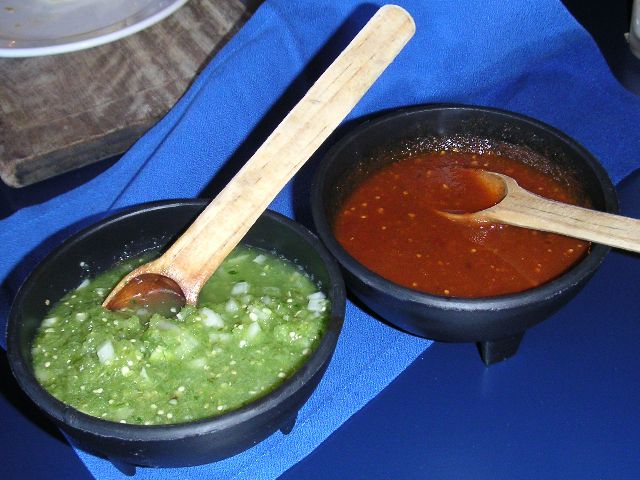 SalsaVegan
🇲🇽 Mexico and 1 moreMexican table sauces made with chili, tomato, and onion, served as condiments or dips
Sauce, pickle or ferment
MezcalVegan
🇲🇽 MexicoMexican spirit distilled from roasted agave plants
Drink
SalsaVegan
🇲🇽 Mexico and 1 moreMexican table sauces made with chili, tomato, and onion, served as condiments or dips
Sauce, pickle or ferment
MezcalVegan
🇲🇽 MexicoMexican spirit distilled from roasted agave plants
Drink
 Fajita
🇲🇽 Mexico and 1 moreGrilled meat and peppers served with tortillas and toppings
Main dish, Lunch, Dinner
Fajita
🇲🇽 Mexico and 1 moreGrilled meat and peppers served with tortillas and toppings
Main dish, Lunch, Dinner
 HorchataVegan
🇪🇸 Spain and 5 moreSweet plant-based drink made from rice, tiger nuts or seeds
Drink, Snacks
HorchataVegan
🇪🇸 Spain and 5 moreSweet plant-based drink made from rice, tiger nuts or seeds
Drink, Snacks
 King cake
🇫🇷 France and 5 moreA festive sweet bread or pastry with a hidden token, eaten for Epiphany and Carnival
Pie or savoury pastry, Snacks, Tea time
King cake
🇫🇷 France and 5 moreA festive sweet bread or pastry with a hidden token, eaten for Epiphany and Carnival
Pie or savoury pastry, Snacks, Tea time
 Chicha
🇵🇪 Peru and 6 moreA traditional Latin American drink made by fermenting maize or other plants
Drink, Snacks
PulqueVegan
🇲🇽 MexicoFermented drink made from the sap of the maguey (agave) plant in central Mexico
Drink
Chicha
🇵🇪 Peru and 6 moreA traditional Latin American drink made by fermenting maize or other plants
Drink, Snacks
PulqueVegan
🇲🇽 MexicoFermented drink made from the sap of the maguey (agave) plant in central Mexico
Drink
 Hibiscus teaVegan
🇳🇬 Nigeria and 5 moreA tart, ruby-red drink made from roselle flower calyces, served hot or cold
Drink, Snacks
Hibiscus teaVegan
🇳🇬 Nigeria and 5 moreA tart, ruby-red drink made from roselle flower calyces, served hot or cold
Drink, Snacks
 Pico de galloVegan
🇲🇽 MexicoChopped tomato, onion, chili and cilantro salad served as a fresh salsa
Salad or side
Pico de galloVegan
🇲🇽 MexicoChopped tomato, onion, chili and cilantro salad served as a fresh salsa
Salad or side
 Tres leches cakeVegetarianTres Leches
🇲🇽 Mexico and 5 moreAiry sponge cake soaked in three types of milk and topped with cream
Sweet or dessert, Tea time, Snacks
Tres leches cakeVegetarianTres Leches
🇲🇽 Mexico and 5 moreAiry sponge cake soaked in three types of milk and topped with cream
Sweet or dessert, Tea time, Snacks
 Buñuelo
🇪🇸 Spain and 5 moreCrisp or fluffy fried dough, sweet or savory, enjoyed across Spain and Latin America
Sweet or dessert, Snacks, Breakfast
Buñuelo
🇪🇸 Spain and 5 moreCrisp or fluffy fried dough, sweet or savory, enjoyed across Spain and Latin America
Sweet or dessert, Snacks, Breakfast
 Atole
🇲🇽 Mexico and 4 moreHot drink made from masa (corn dough), sweetened and flavored with spices or fruit
Drink, Breakfast, Snacks
Atole
🇲🇽 Mexico and 4 moreHot drink made from masa (corn dough), sweetened and flavored with spices or fruit
Drink, Breakfast, Snacks
 Adobo
🇪🇸 Spain and 5 moreA marinade or sauce of paprika, garlic, salt, vinegar and spices from Iberia
Sauce, pickle or ferment
Adobo
🇪🇸 Spain and 5 moreA marinade or sauce of paprika, garlic, salt, vinegar and spices from Iberia
Sauce, pickle or ferment
 Pozole
🇲🇽 Mexico and 1 moreMexican hominy soup with meat and a range of fresh toppings
Soup, Lunch, Dinner
Pozole
🇲🇽 Mexico and 1 moreMexican hominy soup with meat and a range of fresh toppings
Soup, Lunch, Dinner
 SweetbreadMeat
🇫🇷 France and 4 moreTender thymus or pancreas from young animals, prized in French and Persian cooking
Main dish, Lunch, Dinner
SweetbreadMeat
🇫🇷 France and 4 moreTender thymus or pancreas from young animals, prized in French and Persian cooking
Main dish, Lunch, Dinner
 Carajillo
🇪🇸 Spain and 5 moreCoffee mixed with brandy, rum, mezcal, or coffee liqueur, served in a small glass
Drink, Tea time, Dinner
Carajillo
🇪🇸 Spain and 5 moreCoffee mixed with brandy, rum, mezcal, or coffee liqueur, served in a small glass
Drink, Tea time, Dinner
 Mole
🇲🇽 Mexico and 1 moreA thick, complex Mexican sauce made with chilis, nuts, spices and sometimes chocolate
Sauce, pickle or ferment, Lunch, Dinner
Chicharrón
🇪🇸 Spain and 6 moreCrispy fried pork belly or skin, enjoyed as a snack or dish in many countries
Street food, Snacks, Lunch
Mole
🇲🇽 Mexico and 1 moreA thick, complex Mexican sauce made with chilis, nuts, spices and sometimes chocolate
Sauce, pickle or ferment, Lunch, Dinner
Chicharrón
🇪🇸 Spain and 6 moreCrispy fried pork belly or skin, enjoyed as a snack or dish in many countries
Street food, Snacks, Lunch
 Chilaquiles
🇲🇽 Mexico and 1 moreCrisp tortilla pieces simmered in salsa and topped with cheese, cream, and more
Main dish, Breakfast
Chilaquiles
🇲🇽 Mexico and 1 moreCrisp tortilla pieces simmered in salsa and topped with cheese, cream, and more
Main dish, Breakfast
 BotifarraMeat
🇪🇸 Spain and 6 moreA family of pork sausages central to Catalan and Latin American cooking
Sausage or cured food, Lunch, Dinner
BotifarraMeat
🇪🇸 Spain and 6 moreA family of pork sausages central to Catalan and Latin American cooking
Sausage or cured food, Lunch, Dinner
 Migas
🇪🇸 Spain and 2 moreA dish of leftover bread or tortillas, cooked with savoury ingredients
Main dish, Breakfast, Lunch
Migas
🇪🇸 Spain and 2 moreA dish of leftover bread or tortillas, cooked with savoury ingredients
Main dish, Breakfast, Lunch
 Tostada
🇲🇽 Mexico and 1 moreCrisp fried or toasted tortilla topped with beans, meat, cheese, and vegetables
Main dish, Snacks
Tostada
🇲🇽 Mexico and 1 moreCrisp fried or toasted tortilla topped with beans, meat, cheese, and vegetables
Main dish, Snacks
 Chiles en nogadaMeat
🇲🇽 MexicoPoblano chiles stuffed with fruit and meat, topped with walnut sauce and pomegranate
Main dish, Lunch, Dinner
Chiles en nogadaMeat
🇲🇽 MexicoPoblano chiles stuffed with fruit and meat, topped with walnut sauce and pomegranate
Main dish, Lunch, Dinner
Photo credits on this page
The small pictures above come from Wikimedia Commons under free licences. Some are cropped to fit.
- Taco: Popo le Chien, CC BY-SA 3.0, source
- Pozole: Meutia Chaerani / Indradi Soemardjan http://www.indrani.net, CC BY 2.5, source
- Ceviche: No machine-readable author provided. Manuel González Olaechea assumed, CC BY 3.0, source
- Migas: Nanow jesús madrid 21:40, 6 May 2007 (UTC), CC BY-SA 3.0, source
- Chiles en nogada: Ahleli, CC BY-SA 4.0, source
- Tamale: Nsaum75, CC BY-SA 3.0, source
- Tostada: Jon Sullivan, Public domain, source
- Guacamole: Popo le Chien, CC0, source
- Adobo: Tamorlan, CC BY 3.0, source
- Chicha: Tisquesusa, CC BY 4.0, source
- Margarita: Ralf Roletschek, CC BY-SA 3.0, source
- Mollete: No machine-readable author provided. Pedroserafin assumed (based on co, CC BY-SA 2.5, source
- Pho: Phương Huy, CC BY-SA 4.0, source
- Fajita: Elisa Arteaga, CC BY-SA 2.0, source
- Burrito: jeffreyw, CC BY 2.0, source
- Nachos: Navajcmer, CC BY-SA 4.0, source
- King cake: Benh LIEU SONG ( Flickr ), CC BY-SA 4.0, source
- Chili con carne: Carstor, CC BY-SA 2.5, source
- Quesadilla: Brunnaiz, CC BY-SA 4.0, source
- Enchilada: Martin Edmundo Barriga Orozco, Public domain, source
- Pico de gallo: Hajor, CC BY-SA 2.0, source
- Hot chocolate: 4028mdk09, CC BY-SA 3.0, source
- Mole: William Neuheisel, CC BY 2.0, source
- Palm wine: Nick Hobgood Peace Corps Zaire, CC BY 2.0, source
- Punch: Shawn Lea, CC BY 2.0, source
- Salsa: Unknown author, CC BY-SA 3.0, source
- Mojito: Raimonsocial, CC BY-SA 4.0, source
- Atole: Juan Carlos Fonseca Mata, CC BY-SA 4.0, source
- Chorizo: Asturnut ( talk ), CC BY-SA 3.0, source
- Tequila: Photomag, Public domain, source
- Hibiscus tea: MRG90, CC BY-SA 4.0, source
- Caesar salad: Geoff Peters, CC BY 2.0, source
- Barbacoa: Elton Rodriguez, CC BY-SA 3.0, source
- Chapulines: Nsaum75, CC BY-SA 3.0, source
- Esquites: Cristina Zapata Pérez, CC BY-SA 4.0, source
- Horchata: Photocapy, CC BY-SA 2.0, source
- Crème caramel: Amanda Coutinho, CC BY 2.0, source
- Eggnog: David Monniaux, CC BY-SA 3.0, source
- Buñuelo: Klenje, CC BY-SA 3.0, source
- Tres leches cake: Unknown author, CC BY-SA 2.0, source
- Carajillo: Shht!, CC BY 2.0, source
- Sweetbread: Leon Brocard, CC BY 2.0, source
- Chilaquiles: Carlos t, CC BY-SA 3.0, source
- Botifarra: Javier Lastras, CC BY 2.0, source