🇨🇳 The food of China
122 dishes from China, best known first, across 60 cities and regions.
Chinese cooking is shaped by a vast range of climates, local crops, and centuries of migration and trade. Its many regional styles use staples like rice and wheat, and balance flavors and textures with a focus on color, aroma, and nutrition. The cuisine’s diversity and techniques have influenced food cultures across Asia and the world.
- Chopsticks and the wok are key utensils in Chinese cooking.
- The first restaurants in the modern sense appeared in Song dynasty China.
- Soy sauce is used in cooking, not added at the table.
- Chinese food therapy links meals to health and balance.
- Rice dominates in the south, wheat in the north.
The cooking of China
Chinese cuisine covers a huge variety of dishes and traditions, shaped by geography, history, and local customs. The food changes from north to south and east to west, reflecting what grows best in each region. Cooking methods range from stir-frying in a wok to steaming, braising, and baking. Flavors are balanced for taste, color, and aroma, often drawing on principles from traditional Chinese medicine. Meals are built around shared dishes, and attention is paid to the harmony of ingredients and presentation. Over time, outside influences—through trade, migration, and conquest—have added new foods and techniques, making Chinese cuisine one of the world’s most varied.
Staple foods in China
Rice is the main staple in the south, often served steamed or as congee, a rice porridge eaten for breakfast. In the north, wheat is more common, used for noodles, breads, and dumplings. Millet and other grains are also traditional. Meat is usually used in small amounts, with vegetables and grains making up most of the meal. Soy sauce, tofu, and chili oil are common seasonings and ingredients.
From region to region in China
Regional cooking in China is highly diverse. Cantonese food from the south is known for fresh ingredients and mild flavors. Sichuan cuisine from the west uses chili and spices for heat and numbing sensations. Shandong cooking in the north features wheat-based foods and seafood, while Jiangsu (including Huaiyang) in the east is famous for refined techniques like braising and stewing. Fujian, Hunan, Anhui, and Zhejiang each have their own specialties, from seafood and soups to wild herbs and pickled foods. Preservation methods like drying, salting, and fermenting are common across regions.
The facts in this overview come from the Wikipedia article "Chinese cuisine", written by its contributors and used under the CC BY-SA 4.0 licence. Thali rewrote the text in its own words, with AI assistance, and compares every page with the article to make sure no passage is copied. It may be reused under the same CC BY-SA 4.0 licence with a link back.
Cities and regions of China
 Soy milkVegan豆奶
🇨🇳 China and 5 moreA plant-based drink made by soaking, grinding, and boiling soybeans
Drink, Breakfast, Snacks
Soy milkVegan豆奶
🇨🇳 China and 5 moreA plant-based drink made by soaking, grinding, and boiling soybeans
Drink, Breakfast, Snacks
 Fried rice
🇨🇳 China and 5 moreCooked rice stir-fried with eggs, vegetables, meat or seafood, and seasonings
Main dish, Breakfast, Lunch
Fried rice
🇨🇳 China and 5 moreCooked rice stir-fried with eggs, vegetables, meat or seafood, and seasonings
Main dish, Breakfast, Lunch
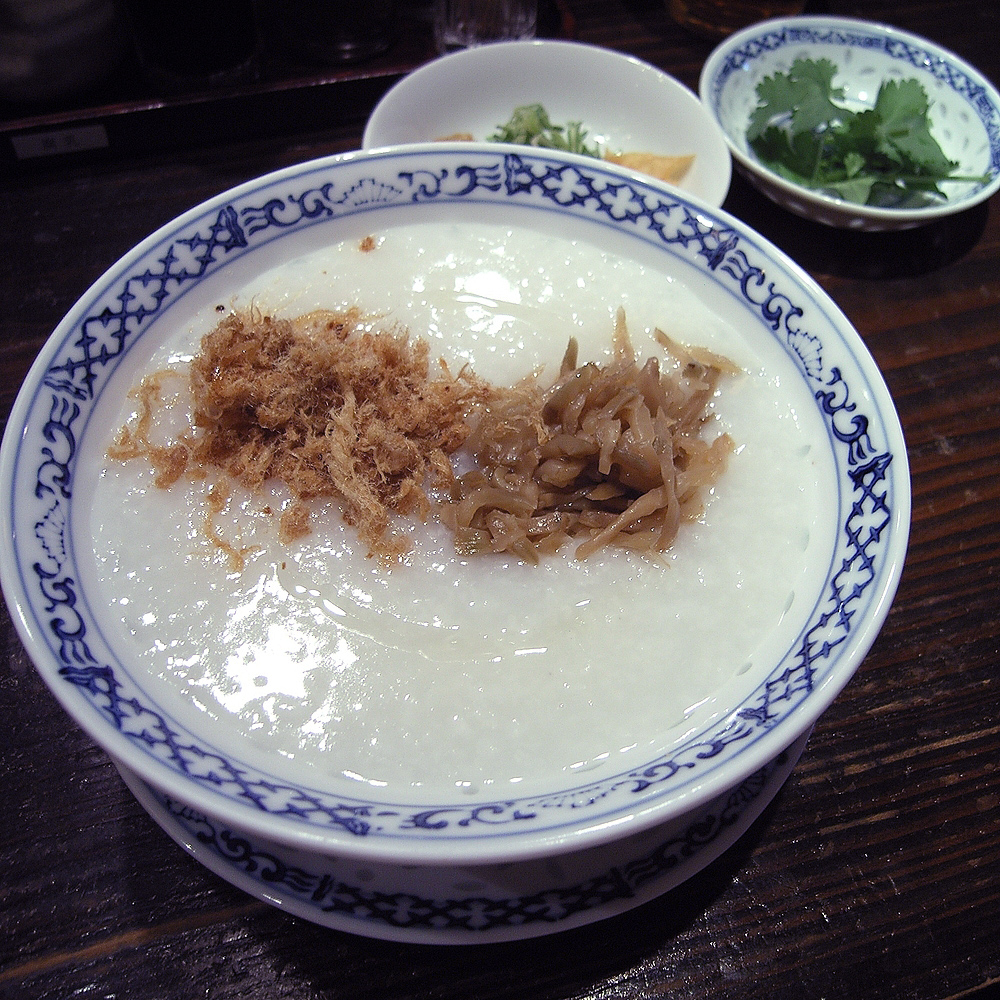 Congee粥
🇨🇳 China and 5 moreRice simmered in water to make a soft, comforting porridge
Main dish, Breakfast, Dinner
Congee粥
🇨🇳 China and 5 moreRice simmered in water to make a soft, comforting porridge
Main dish, Breakfast, Dinner
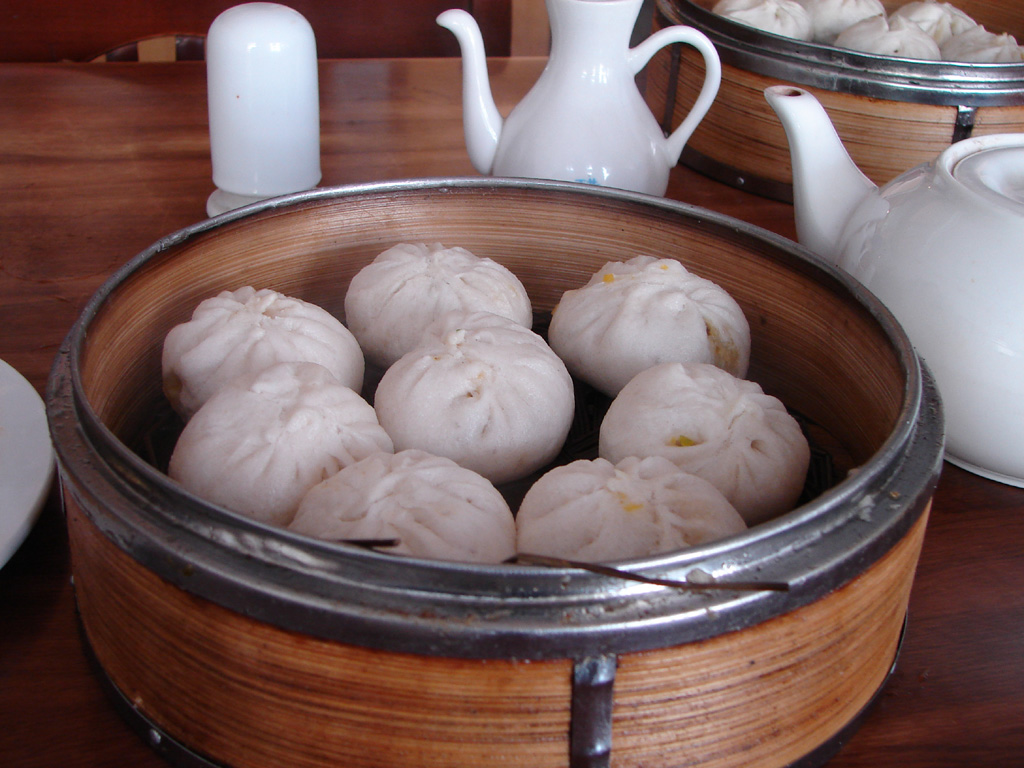 Baozi包子
🇨🇳 China and 5 moreSteamed wheat buns filled with meat or vegetables, common across China and beyond
Main dish, Breakfast, Snacks
Baozi包子
🇨🇳 China and 5 moreSteamed wheat buns filled with meat or vegetables, common across China and beyond
Main dish, Breakfast, Snacks
 Jiaozi餃子
🇨🇳 China and 1 moreChinese dumplings with meat or vegetable filling, served boiled, steamed or fried
Dumpling, Breakfast, Lunch
Jiaozi餃子
🇨🇳 China and 1 moreChinese dumplings with meat or vegetable filling, served boiled, steamed or fried
Dumpling, Breakfast, Lunch
 Butter teaབོད་ཇ་
🇨🇳 China and 4 moreA hot Himalayan drink of tea, yak butter and salt, churned to a creamy texture
Drink, Breakfast, Snacks
Dim sum点心
🇨🇳 China and 5 moreA variety of small Chinese dishes served with tea, often for brunch
Main dish, Breakfast, Lunch
Butter teaབོད་ཇ་
🇨🇳 China and 4 moreA hot Himalayan drink of tea, yak butter and salt, churned to a creamy texture
Drink, Breakfast, Snacks
Dim sum点心
🇨🇳 China and 5 moreA variety of small Chinese dishes served with tea, often for brunch
Main dish, Breakfast, Lunch
 Dumpling
🇨🇳 China and 5 morePieces of dough, plain or filled, cooked by boiling, steaming or frying
Main dish, Breakfast, Lunch
Dumpling
🇨🇳 China and 5 morePieces of dough, plain or filled, cooked by boiling, steaming or frying
Main dish, Breakfast, Lunch
 MantouVegan馒头
🇨🇳 ChinaSoft, steamed wheat buns eaten across northern China
Bread, Breakfast, Lunch
MantouVegan馒头
🇨🇳 ChinaSoft, steamed wheat buns eaten across northern China
Bread, Breakfast, Lunch
 YoutiaoVegan油條
🇨🇳 China and 5 moreLong, golden-brown strips of deep-fried dough eaten across East and Southeast Asia
Street food, Breakfast, Snacks
YoutiaoVegan油條
🇨🇳 China and 5 moreLong, golden-brown strips of deep-fried dough eaten across East and Southeast Asia
Street food, Breakfast, Snacks
 Xiaolongbao小笼包
🇨🇳 China and 1 moreSmall steamed buns with a savoury filling and hot soup inside
Dumpling, Breakfast, Snacks
Xiaolongbao小笼包
🇨🇳 China and 1 moreSmall steamed buns with a savoury filling and hot soup inside
Dumpling, Breakfast, Snacks
 Bak kut tehMeat肉骨茶
🇲🇾 Malaysia and 3 morePork ribs in a spiced herbal broth, served with fried dough and condiments
Soup, Breakfast, Lunch
Bak kut tehMeat肉骨茶
🇲🇾 Malaysia and 3 morePork ribs in a spiced herbal broth, served with fried dough and condiments
Soup, Breakfast, Lunch
 Shumai烧卖 / 燒賣
🇨🇳 China and 5 moreChinese dumplings filled with seasoned meat, often served as dim sum
Dumpling, Breakfast, Lunch
Shumai烧卖 / 燒賣
🇨🇳 China and 5 moreChinese dumplings filled with seasoned meat, often served as dim sum
Dumpling, Breakfast, Lunch
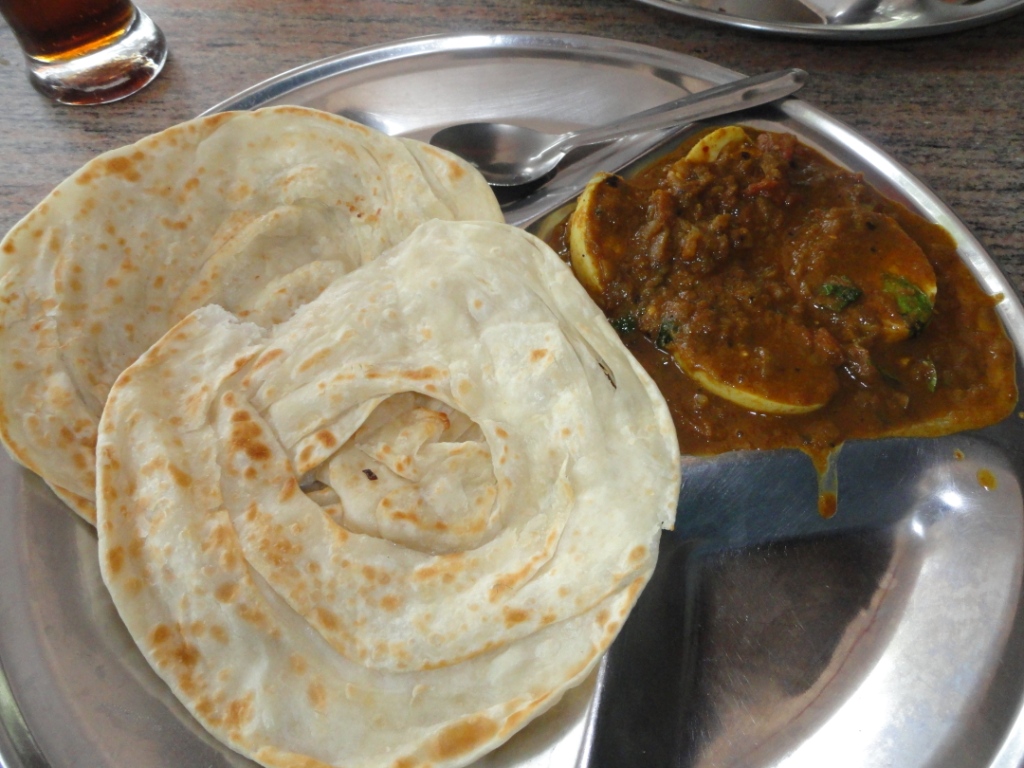 Parotta
🇮🇳 India and 5 moreLayered flatbread from South India, soft and flakey, made with refined flour
Bread, Breakfast, Lunch
Parotta
🇮🇳 India and 5 moreLayered flatbread from South India, soft and flakey, made with refined flour
Bread, Breakfast, Lunch
 Oyster omelette
🇨🇳 China and 5 moreA chewy egg and oyster dish fried with starch, popular across East and Southeast Asia
Main dish, Breakfast, Lunch
Oyster omelette
🇨🇳 China and 5 moreA chewy egg and oyster dish fried with starch, popular across East and Southeast Asia
Main dish, Breakfast, Lunch
 DouhuaVegan豆花
🇨🇳 China and 5 moreSoft tofu served as a sweet or savoury snack across East and Southeast Asia
Sweet or dessert, Breakfast, Snacks
DouhuaVegan豆花
🇨🇳 China and 5 moreSoft tofu served as a sweet or savoury snack across East and Southeast Asia
Sweet or dessert, Breakfast, Snacks
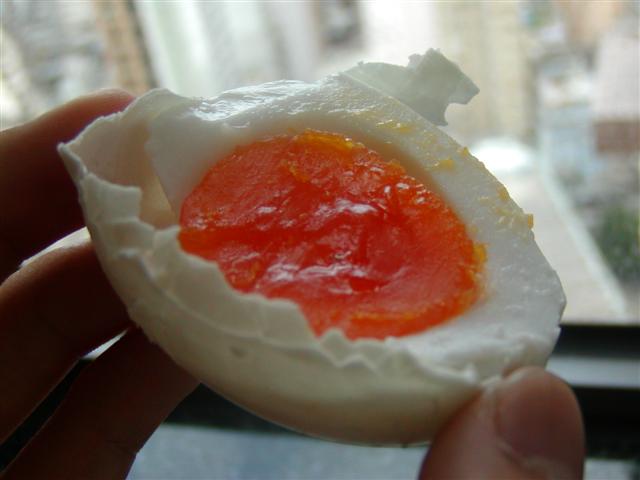 Salted duck egg
🇨🇳 China and 3 moreDuck eggs preserved in salt, prized for their rich, orange-red yolks
Sauce, pickle or ferment, Breakfast, Lunch
Salted duck egg
🇨🇳 China and 3 moreDuck eggs preserved in salt, prized for their rich, orange-red yolks
Sauce, pickle or ferment, Breakfast, Lunch
 Hong Kong-style milk teaVegetarian港式奶茶
🇭🇰 Hong Kong and 1 moreStrong black tea with evaporated milk, served hot or cold in Hong Kong cafés
Drink, Breakfast, Lunch
Hong Kong-style milk teaVegetarian港式奶茶
🇭🇰 Hong Kong and 1 moreStrong black tea with evaporated milk, served hot or cold in Hong Kong cafés
Drink, Breakfast, Lunch
 Pineapple bunVegetarian菠蘿包
🇭🇰 Hong Kong and 3 moreA sweet bun with a crunchy, golden cookie crust, popular in Hong Kong
Sweet or dessert, Breakfast, Tea time
Pineapple bunVegetarian菠蘿包
🇭🇰 Hong Kong and 3 moreA sweet bun with a crunchy, golden cookie crust, popular in Hong Kong
Sweet or dessert, Breakfast, Tea time
 Hot dry noodlesVegan热干面
🇨🇳 ChinaWheat noodles tossed with sesame paste, soy sauce and pickles, served hot and without broth
Noodle or pasta dish, Breakfast
Hot dry noodlesVegan热干面
🇨🇳 ChinaWheat noodles tossed with sesame paste, soy sauce and pickles, served hot and without broth
Noodle or pasta dish, Breakfast
 Shengjian mantouMeat生煎馒头
🇨🇳 ChinaPan-fried pork-filled buns with a crisp base from Shanghai and Suzhou
Street food, Breakfast, Snacks
Shengjian mantouMeat生煎馒头
🇨🇳 ChinaPan-fried pork-filled buns with a crisp base from Shanghai and Suzhou
Street food, Breakfast, Snacks
Photo credits on this page
The small pictures above come from Wikimedia Commons under free licences. Some are cropped to fit.
- Parotta: Amanbedi1, CC BY-SA 4.0, source
- Baozi: J. Samuel Burner, CC BY 2.0, source
- Hong Kong-style milk tea: WiNG, CC BY-SA 3.0, source
- Soy milk: Kjokkenutstyr, CC BY-SA 2.0, source
- Jiaozi: Bioniclepluslotr, CC BY-SA 3.0, source
- Fried rice: Vyacheslav Argenberg, CC BY 4.0, source
- Butter tea: Yosomono, CC BY 2.0, source
- Youtiao: Popo le Chien, CC0, source
- Xiaolongbao: Eason Lai, CC BY-SA 2.0, source
- Bak kut teh: Chainwit., CC BY 4.0, source
- Shumai: Kent Wang, CC BY-SA 2.0, source
- Oyster omelette: No machine-readable author provided. Theorb assumed (based on copyrigh, Public domain, source
- Congee: Daiju Azuma, CC BY-SA 2.5, source
- Douhua: 阿道, CC BY-SA 4.0, source
- Salted duck egg: No machine-readable author provided. Kok69~commonswiki assumed (based, Public domain, source
- Dumpling: Kobako, CC BY-SA 2.5, source
- Mantou: Aumrino970, CC BY-SA 4.0, source
- Pineapple bun: Party Lin, CC BY 2.0, source
- Hot dry noodles: ZhengZhou, CC BY-SA 4.0, source
- Shengjian mantou: Brian Harrington Spier, CC BY-SA 2.0, source