🇨🇳 The food of China
167 dishes from China, best known first, across 60 cities and regions.
Chinese cooking is shaped by a vast range of climates, local crops, and centuries of migration and trade. Its many regional styles use staples like rice and wheat, and balance flavors and textures with a focus on color, aroma, and nutrition. The cuisine’s diversity and techniques have influenced food cultures across Asia and the world.
- Chopsticks and the wok are key utensils in Chinese cooking.
- The first restaurants in the modern sense appeared in Song dynasty China.
- Soy sauce is used in cooking, not added at the table.
- Chinese food therapy links meals to health and balance.
- Rice dominates in the south, wheat in the north.
The cooking of China
Chinese cuisine covers a huge variety of dishes and traditions, shaped by geography, history, and local customs. The food changes from north to south and east to west, reflecting what grows best in each region. Cooking methods range from stir-frying in a wok to steaming, braising, and baking. Flavors are balanced for taste, color, and aroma, often drawing on principles from traditional Chinese medicine. Meals are built around shared dishes, and attention is paid to the harmony of ingredients and presentation. Over time, outside influences—through trade, migration, and conquest—have added new foods and techniques, making Chinese cuisine one of the world’s most varied.
Staple foods in China
Rice is the main staple in the south, often served steamed or as congee, a rice porridge eaten for breakfast. In the north, wheat is more common, used for noodles, breads, and dumplings. Millet and other grains are also traditional. Meat is usually used in small amounts, with vegetables and grains making up most of the meal. Soy sauce, tofu, and chili oil are common seasonings and ingredients.
From region to region in China
Regional cooking in China is highly diverse. Cantonese food from the south is known for fresh ingredients and mild flavors. Sichuan cuisine from the west uses chili and spices for heat and numbing sensations. Shandong cooking in the north features wheat-based foods and seafood, while Jiangsu (including Huaiyang) in the east is famous for refined techniques like braising and stewing. Fujian, Hunan, Anhui, and Zhejiang each have their own specialties, from seafood and soups to wild herbs and pickled foods. Preservation methods like drying, salting, and fermenting are common across regions.
The facts in this overview come from the Wikipedia article "Chinese cuisine", written by its contributors and used under the CC BY-SA 4.0 licence. Thali rewrote the text in its own words, with AI assistance, and compares every page with the article to make sure no passage is copied. It may be reused under the same CC BY-SA 4.0 licence with a link back.
Cities and regions of China
 TeaVegan茶
🇨🇳 China and 5 moreA drink made by soaking tea leaves in hot or cold water
Drink
TofuVegan豆腐
🇨🇳 China and 5 moreSoft white blocks made by curdling soy milk and pressing the curds
Main dish
TeaVegan茶
🇨🇳 China and 5 moreA drink made by soaking tea leaves in hot or cold water
Drink
TofuVegan豆腐
🇨🇳 China and 5 moreSoft white blocks made by curdling soy milk and pressing the curds
Main dish
 GuinnessVegan
🇮🇪 Ireland and 5 moreA dark Irish stout with a creamy head and dry, roasted flavour
Drink
GuinnessVegan
🇮🇪 Ireland and 5 moreA dark Irish stout with a creamy head and dry, roasted flavour
Drink
 Soy milkVegan豆奶
🇨🇳 China and 5 moreA plant-based drink made by soaking, grinding, and boiling soybeans
Drink, Breakfast, Snacks
Soy milkVegan豆奶
🇨🇳 China and 5 moreA plant-based drink made by soaking, grinding, and boiling soybeans
Drink, Breakfast, Snacks
 Lei chaVegan擂茶
🇨🇳 China and 3 moreA Hakka tea-based drink or soup made with ground tea, nuts, seeds and grains
Drink
Lei chaVegan擂茶
🇨🇳 China and 3 moreA Hakka tea-based drink or soup made with ground tea, nuts, seeds and grains
Drink
 Laba garlicVegan
🇨🇳 ChinaGarlic cloves pickled in vinegar for the Laba Festival in northern China
Sauce, pickle or ferment
Laba garlicVegan
🇨🇳 ChinaGarlic cloves pickled in vinegar for the Laba Festival in northern China
Sauce, pickle or ferment
 MatchaVegan抹茶
🇯🇵 Japan and 2 moreBright green Japanese tea powder made from shade-grown leaves
Drink
MatchaVegan抹茶
🇯🇵 Japan and 2 moreBright green Japanese tea powder made from shade-grown leaves
Drink
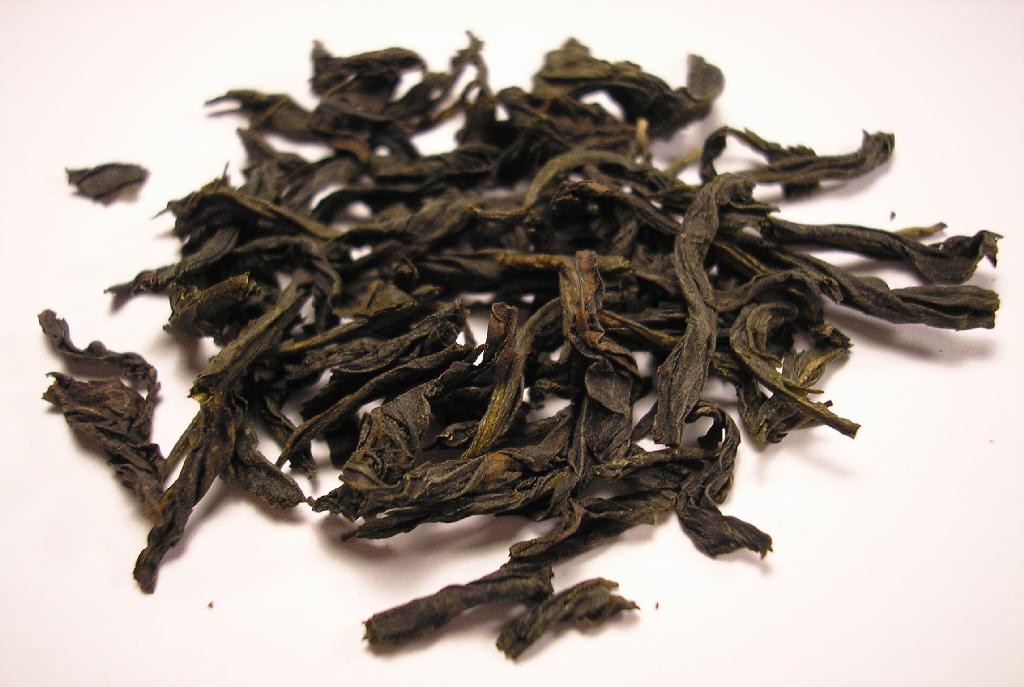 OolongVegan烏龍茶
🇨🇳 China and 3 moreA semi-oxidized Chinese tea with a wide range of flavors and aromas
Drink
OolongVegan烏龍茶
🇨🇳 China and 3 moreA semi-oxidized Chinese tea with a wide range of flavors and aromas
Drink
 Iced teaVegan
🇺🇸 United States and 5 moreChilled tea served over ice, sometimes sweetened or flavored with fruit
Drink, Lunch, Dinner
Iced teaVegan
🇺🇸 United States and 5 moreChilled tea served over ice, sometimes sweetened or flavored with fruit
Drink, Lunch, Dinner
 SojuVegan소주
🇰🇷 South Korea and 3 moreClear Korean spirit distilled from grains or starches, usually enjoyed neat
Drink
SojuVegan소주
🇰🇷 South Korea and 3 moreClear Korean spirit distilled from grains or starches, usually enjoyed neat
Drink
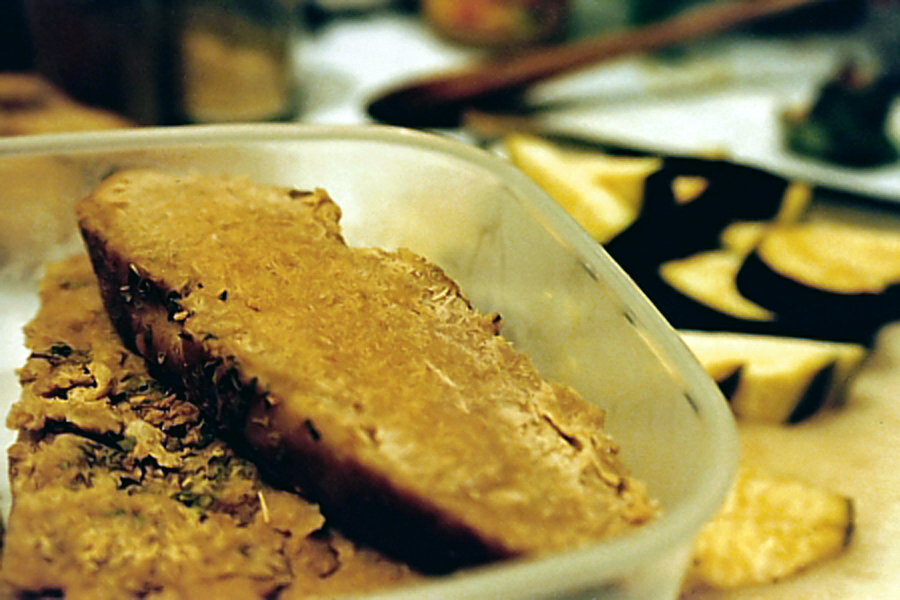 SeitanVegan
🇨🇳 China and 5 moreWheat gluten shaped and cooked as a meat substitute
Main dish
SeitanVegan
🇨🇳 China and 5 moreWheat gluten shaped and cooked as a meat substitute
Main dish
 Red bean pasteVegan
🇯🇵 Japan and 2 moreSweet or plain paste made from boiled adzuki beans, used in East Asian desserts
Sweet or dessert, Snacks, Tea time
Red bean pasteVegan
🇯🇵 Japan and 2 moreSweet or plain paste made from boiled adzuki beans, used in East Asian desserts
Sweet or dessert, Snacks, Tea time
 Pu'erVegan普洱茶
🇨🇳 China and 1 moreAged and fermented tea from Yunnan, shaped into cakes or bricks
Drink
Pu'erVegan普洱茶
🇨🇳 China and 1 moreAged and fermented tea from Yunnan, shaped into cakes or bricks
Drink
 Sugarcane juiceVegan
🇮🇳 India and 6 moreFresh juice pressed from sugarcane stalks, sold widely as a street drink
Drink, Snacks
Sugarcane juiceVegan
🇮🇳 India and 6 moreFresh juice pressed from sugarcane stalks, sold widely as a street drink
Drink, Snacks
 Nian gaoVegan年糕
🇨🇳 China and 5 moreSticky rice cake enjoyed at Chinese New Year for good luck
Sweet or dessert, Snacks
Nian gaoVegan年糕
🇨🇳 China and 5 moreSticky rice cake enjoyed at Chinese New Year for good luck
Sweet or dessert, Snacks
 BaijiuVegan白酒
🇨🇳 China and 1 moreClear Chinese spirit distilled from grain, with a range of aroma styles
Drink
BaijiuVegan白酒
🇨🇳 China and 1 moreClear Chinese spirit distilled from grain, with a range of aroma styles
Drink
 MantouVegan馒头
🇨🇳 ChinaSoft, steamed wheat buns eaten across northern China
Bread, Breakfast, Lunch
MantouVegan馒头
🇨🇳 ChinaSoft, steamed wheat buns eaten across northern China
Bread, Breakfast, Lunch
 EdamameVegan枝豆
🇯🇵 Japan and 3 moreYoung green soybeans boiled or steamed in their pods, often served salted
Main dish, Snacks, Lunch
EdamameVegan枝豆
🇯🇵 Japan and 3 moreYoung green soybeans boiled or steamed in their pods, often served salted
Main dish, Snacks, Lunch
 YoutiaoVegan油條
🇨🇳 China and 5 moreLong, golden-brown strips of deep-fried dough eaten across East and Southeast Asia
Street food, Breakfast, Snacks
YoutiaoVegan油條
🇨🇳 China and 5 moreLong, golden-brown strips of deep-fried dough eaten across East and Southeast Asia
Street food, Breakfast, Snacks
 Biangbiang noodlesVegan𰻞𰻞麵
🇨🇳 ChinaWide, hand-pulled noodles from Shaanxi, known for their belt-like shape
Noodle or pasta dish
Biangbiang noodlesVegan𰻞𰻞麵
🇨🇳 ChinaWide, hand-pulled noodles from Shaanxi, known for their belt-like shape
Noodle or pasta dish
 Longjing teaVegan龍井茶
🇨🇳 ChinaHand-shaped green tea from Hangzhou with a sweet, fresh taste
Drink
Longjing teaVegan龍井茶
🇨🇳 ChinaHand-shaped green tea from Hangzhou with a sweet, fresh taste
Drink
 Tofu skinVeganゆば
🇨🇳 China and 2 moreThin sheets formed from the surface of heated soy milk
Main dish
Tofu skinVeganゆば
🇨🇳 China and 2 moreThin sheets formed from the surface of heated soy milk
Main dish
 Buddha's delightVegan羅漢齋
🇨🇳 China and 2 moreA Chinese vegetarian medley of vegetables, fungi and tofu simmered in soy sauce
Main dish, Lunch, Dinner
Buddha's delightVegan羅漢齋
🇨🇳 China and 2 moreA Chinese vegetarian medley of vegetables, fungi and tofu simmered in soy sauce
Main dish, Lunch, Dinner
 TanghuluVegan糖葫芦
🇨🇳 China and 1 moreSkewered fruit coated in a crisp sugar shell, a classic Northern Chinese street snack
Sweet or dessert, Snacks
TanghuluVegan糖葫芦
🇨🇳 China and 1 moreSkewered fruit coated in a crisp sugar shell, a classic Northern Chinese street snack
Sweet or dessert, Snacks
 DouhuaVegan豆花
🇨🇳 China and 5 moreSoft tofu served as a sweet or savoury snack across East and Southeast Asia
Sweet or dessert, Breakfast, Snacks
DouhuaVegan豆花
🇨🇳 China and 5 moreSoft tofu served as a sweet or savoury snack across East and Southeast Asia
Sweet or dessert, Breakfast, Snacks
 Chrysanthemum teaVegan菊花茶
🇨🇳 China and 1 moreA floral infusion made from dried chrysanthemum flowers
Drink
Chrysanthemum teaVegan菊花茶
🇨🇳 China and 1 moreA floral infusion made from dried chrysanthemum flowers
Drink
 Da Hong PaoVegan大紅袍
🇨🇳 ChinaRare oolong tea from the Wuyi Mountains with a floral aroma and sweet finish
Drink
Da Hong PaoVegan大紅袍
🇨🇳 ChinaRare oolong tea from the Wuyi Mountains with a floral aroma and sweet finish
Drink
 TieguanyinVegan鐵觀音
🇨🇳 China and 1 moreA Chinese oolong tea named for the Goddess of Mercy, with floral or roasted notes
Drink
TieguanyinVegan鐵觀音
🇨🇳 China and 1 moreA Chinese oolong tea named for the Goddess of Mercy, with floral or roasted notes
Drink
 Scallion pancakeVegan蔥油餅
🇨🇳 China and 3 moreLayered Chinese flatbread with scallions, pan-fried until crisp and chewy
Bread, Snacks
Scallion pancakeVegan蔥油餅
🇨🇳 China and 3 moreLayered Chinese flatbread with scallions, pan-fried until crisp and chewy
Bread, Snacks
 TosoVegan屠蘇
🇯🇵 Japan and 1 moreSpiced medicinal sake shared at Japanese New Year
Drink
TosoVegan屠蘇
🇯🇵 Japan and 1 moreSpiced medicinal sake shared at Japanese New Year
Drink
 Hot dry noodlesVegan热干面
🇨🇳 ChinaWheat noodles tossed with sesame paste, soy sauce and pickles, served hot and without broth
Noodle or pasta dish, Breakfast
Hot dry noodlesVegan热干面
🇨🇳 ChinaWheat noodles tossed with sesame paste, soy sauce and pickles, served hot and without broth
Noodle or pasta dish, Breakfast
 Roasted chestnutsVegan
🇮🇹 Italy and 5 moreChestnuts cooked over heat and sold as a warm street snack in autumn and winter
Street food, Snacks
AraVeganཨ་རག་
🇧🇹 Bhutan and 2 moreA homemade alcoholic drink from Bhutan and Tibet, made by fermenting or distilling grains
Drink
Roasted chestnutsVegan
🇮🇹 Italy and 5 moreChestnuts cooked over heat and sold as a warm street snack in autumn and winter
Street food, Snacks
AraVeganཨ་རག་
🇧🇹 Bhutan and 2 moreA homemade alcoholic drink from Bhutan and Tibet, made by fermenting or distilling grains
Drink
 Sesame seed candyVegan
🇬🇷 Greece and 5 moreA sweet made from sesame seeds and honey or sugar, pressed into bars or balls
Sweet or dessert, Snacks, Breakfast
Sesame seed candyVegan
🇬🇷 Greece and 5 moreA sweet made from sesame seeds and honey or sugar, pressed into bars or balls
Sweet or dessert, Snacks, Breakfast
 MahuaVegan麻花
🇨🇳 China and 1 moreTwisted strands of dough, deep-fried and eaten sweet or savory
Sweet or dessert, Snacks
MahuaVegan麻花
🇨🇳 China and 1 moreTwisted strands of dough, deep-fried and eaten sweet or savory
Sweet or dessert, Snacks
 LiangpiVegan凉皮
🇨🇳 ChinaCold wheat or rice noodles from Shaanxi, dressed with spicy and tangy sauces
Noodle or pasta dish, Lunch, Dinner
LiangpiVegan凉皮
🇨🇳 ChinaCold wheat or rice noodles from Shaanxi, dressed with spicy and tangy sauces
Noodle or pasta dish, Lunch, Dinner
 SuanmeitangVegan
🇨🇳 ChinaA sweet, sour and slightly salty Chinese drink made from smoked plums
Drink, Snacks
SuanmeitangVegan
🇨🇳 ChinaA sweet, sour and slightly salty Chinese drink made from smoked plums
Drink, Snacks
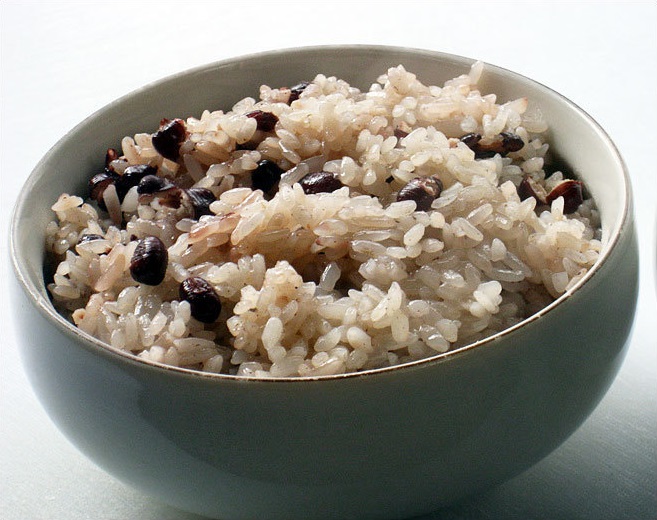 Red bean riceVegan
🇯🇵 Japan and 2 moreRice cooked with red beans, eaten for celebrations and winter in East Asia
Rice dish, Lunch, Dinner
Red bean riceVegan
🇯🇵 Japan and 2 moreRice cooked with red beans, eaten for celebrations and winter in East Asia
Rice dish, Lunch, Dinner
 Black sesame soupVegan黑芝麻糊
🇨🇳 ChinaA sweet, thick Chinese dessert soup made from black sesame seeds and rice
Soup
Black sesame soupVegan黑芝麻糊
🇨🇳 ChinaA sweet, thick Chinese dessert soup made from black sesame seeds and rice
Soup
 LiangfenVegan凉粉
🇨🇳 China and 2 moreCold jelly noodles made from mung bean or other starches, served with savory toppings
Main dish, Lunch, Dinner
LiangfenVegan凉粉
🇨🇳 China and 2 moreCold jelly noodles made from mung bean or other starches, served with savory toppings
Main dish, Lunch, Dinner
 JiuniangVegan酒酿
🇨🇳 ChinaChinese sweet soup of fermented glutinous rice with a mild alcohol taste
Sweet or dessert
JiuniangVegan酒酿
🇨🇳 ChinaChinese sweet soup of fermented glutinous rice with a mild alcohol taste
Sweet or dessert
 DisanxianVegan地三鲜
🇨🇳 ChinaStir-fried eggplant, potato, and bell pepper from Northeast China
Main dish, Lunch, Dinner
DisanxianVegan地三鲜
🇨🇳 ChinaStir-fried eggplant, potato, and bell pepper from Northeast China
Main dish, Lunch, Dinner
Photo credits on this page
The small pictures above come from Wikimedia Commons under free licences. Some are cropped to fit.
- Biangbiang noodles: N509FZ, CC BY-SA 4.0, source
- Nian gao: Schawhoi Kamnls, CC BY-SA 4.0, source
- Black sesame soup: bryan..., CC BY-SA 2.0, source
- Disanxian: Riverhugger, CC BY-SA 4.0, source
- Toso: midorisyu, CC BY 2.0, source
- Matcha: Evanhoever, CC BY-SA 4.0, source
- Da Hong Pao: Iateasquirrel at English Wikipedia, CC BY-SA 3.0, source
- Seitan: Unknown author, GFDL, source
- Guinness: Harald Bischoff, CC BY-SA 3.0, source
- Laba garlic: N509FZ, CC BY-SA 4.0, source
- Soy milk: Kjokkenutstyr, CC BY-SA 2.0, source
- Red bean paste: Midori, CC BY-SA 3.0, source
- Sugarcane juice: Panther, CC BY-SA 3.0, source
- Tea: Difference engine, CC BY-SA 4.0, source
- Pu'er: soultea.de /André Helbig, CC BY 3.0, source
- Lei cha: Ren Kuo, CC BY 2.0, source
- Baijiu: Badagnani, CC BY 3.0, source
- Edamame: yomi955, CC BY 2.0, source
- Youtiao: Popo le Chien, CC0, source
- Tofu skin: Taman Renyah, CC BY 3.0, source
- Longjing tea: Difference engine, CC BY-SA 4.0, source
- Buddha's delight: FotoosVanRobin, CC BY-SA 2.0, source
- Oolong: User Iateasquirrel on en.wikipedia, CC BY-SA 3.0, source
- Tanghulu: Popo le Chien, CC0, source
- Iced tea: Oceanmuse, CC BY 4.0, source
- Douhua: 阿道, CC BY-SA 4.0, source
- Soju: Matt @ PEK, CC BY-SA 2.0, source
- Mantou: Aumrino970, CC BY-SA 4.0, source
- Scallion pancake: Howard61313, GFDL, source
- Hot dry noodles: ZhengZhou, CC BY-SA 4.0, source
- Roasted chestnuts: Razzairpina, CC BY-SA 3.0, source
- Chrysanthemum tea: by gliuoo, CC BY-SA 2.0, source
- Tieguanyin: Quelcrime, Public domain, source
- Mahua: MArtin9712, CC BY-SA 4.0, source
- Liangpi: Jucember, CC BY-SA 3.0, source
- Suanmeitang: 用心阁/Yongxinge, CC BY-SA 3.0, source
- Liangfen: Prince Roy, CC BY 2.0, source
- Jiuniang: User Polyhedron on zh.wikipedia, CC BY-SA 3.0, source
- Sesame seed candy: Jacek Halicki, CC BY-SA 4.0, source
- Red bean rice: 경빈마마, CC BY 2.0 kr, source