🇮🇳 The food of India
169 dishes from India, best known first, across 60 cities and regions.
Indian cooking brings together a huge range of regional and religious traditions, shaped by centuries of trade, migration, and local crops. Meals center on grains like rice or wheat, paired with lentils, vegetables, and carefully chosen spices. Distinctive techniques and a deep vegetarian tradition set it apart from other world cuisines.
- Lentils and pulses are used in many forms, including whole, split, or dehusked.
- Two unique techniques: frying spice pastes and adding fried spices to dishes.
- Street foods like vada pav, kati rolls, and idli vary by city.
- Vegetarianism is widespread, especially in Gujarat and among Jains.
- Festival foods include sweets like kheer, halwa, and puran poli.
The cooking of India
Indian food is shaped by thousands of years of cultural exchange, migration, and religious practice. Its character comes from the interplay of local grains, lentils, and vegetables, with a wide palette of spices such as turmeric, cumin, and cardamom. Cooking methods range from slow stewing to frying spice pastes or adding fried spices to finished dishes. The cuisine is known for its regional variety, from coconut-rich southern stews to wheat-based breads in the north. Vegetarianism is widespread, influenced by Hindu, Jain, and Buddhist beliefs, while Muslim and Christian communities contribute their own dishes. Food is often prepared with simple tools, but the process can be labor-intensive, involving grinding and blending.
Staple foods in India
Core foods are rice, wheat (often as flatbreads), and lentils, with pulses like mung, pigeon pea, and black gram used in many forms. Oils vary by region: coconut in the south, mustard in the east, peanut in the north and west. Spices are essential, with each region using its own blends. Vegetables, pickles, and dairy products like yogurt are common accompaniments.
Snacks and street food in India
Street food is highly regional. In Mumbai, vada pav (a spiced potato fritter in a bun) is popular. Kolkata is known for kati rolls, which wrap spiced fillings in flatbread. Chennai’s streets offer idli (steamed rice cakes) with sambar (a lentil stew). Delhi’s Muslim heritage brings kebabs and other meat snacks.
From region to region in India
Northern India favors wheat breads, lentils, and dishes cooked with the dum pukht technique, where food is sealed and slow-cooked. Kashmir is known for rich meat dishes. Western India features vegetarian stews and sweets, with Goan food blending Indian and Portuguese influences. The east relies on rice, fish, and mustard, while the south uses rice, coconut, and steaming. Each region’s climate and dominant religion shape its food.
Festival and religious food in India
Festivals bring special foods. During Diwali, sweets like kheer (rice pudding) and halwa are made. Holi sees puran poli (sweet stuffed bread) and gujia (sweet dumplings). For religious offerings, food is presented to deities and then shared as prasāda. Fasting days allow only certain foods, such as dairy, fruits, and starchy roots.
The facts in this overview come from the Wikipedia article "Indian cuisine", written by its contributors and used under the CC BY-SA 4.0 licence. Thali rewrote the text in its own words, with AI assistance, and compares every page with the article to make sure no passage is copied. It may be reused under the same CC BY-SA 4.0 licence with a link back.
Cities and regions of India
 Ice cream
🇺🇸 United States and 5 moreA frozen dessert made from sweetened, flavoured milk or cream
Sweet or dessert, Snacks
Ice cream
🇺🇸 United States and 5 moreA frozen dessert made from sweetened, flavoured milk or cream
Sweet or dessert, Snacks
 Candy
🇺🇸 United States and 5 moreSmall sweet treats made mainly from sugar or sweeteners
Sweet or dessert, Snacks
Halvaحَلَاوَة
🇮🇷 Iran and 5 moreDense sweet made from seeds, grains, or vegetables, found across Asia, Africa, and Europe
Sweet or dessert, Snacks, Tea time
Candy
🇺🇸 United States and 5 moreSmall sweet treats made mainly from sugar or sweeteners
Sweet or dessert, Snacks
Halvaحَلَاوَة
🇮🇷 Iran and 5 moreDense sweet made from seeds, grains, or vegetables, found across Asia, Africa, and Europe
Sweet or dessert, Snacks, Tea time
 French toast
🇫🇷 France and 5 moreBread soaked in egg and milk, pan-fried and served sweet or savoury
Main dish, Breakfast, Snacks
French toast
🇫🇷 France and 5 moreBread soaked in egg and milk, pan-fried and served sweet or savoury
Main dish, Breakfast, Snacks
 JalebiVegetarian
🇮🇳 India and 6 moreDeep-fried spirals of batter soaked in syrup, enjoyed across Asia and Africa
Pie or savoury pastry, Breakfast, Snacks
JalebiVegetarian
🇮🇳 India and 6 moreDeep-fried spirals of batter soaked in syrup, enjoyed across Asia and Africa
Pie or savoury pastry, Breakfast, Snacks
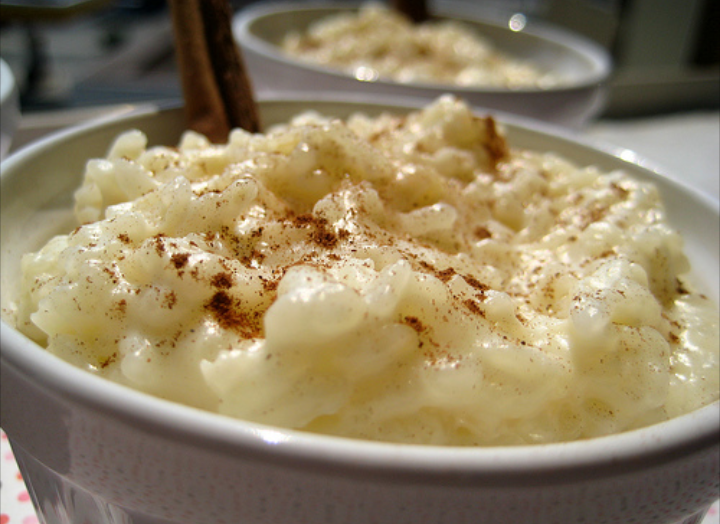 Rice pudding
🇮🇳 India and 4 moreSweetened rice cooked in milk, found in many forms worldwide
Sweet or dessert, Breakfast, Lunch
Rice pudding
🇮🇳 India and 4 moreSweetened rice cooked in milk, found in many forms worldwide
Sweet or dessert, Breakfast, Lunch
 BhangVeganभांग
🇮🇳 IndiaCannabis leaf paste used in drinks and sweets, central to Indian spring festivals
Drink, Snacks
Sheer khurmaVegetarianشير خرما
🇮🇳 India and 2 moreA sweet vermicelli pudding with milk, dates and nuts for Eid celebrations
Sweet or dessert, Breakfast, Snacks
Tirupati LadduVegetarianశ్రీవారి లడ్డూ
🇮🇳 IndiaTemple sweet made of gram flour, ghee, cashew and cardamom, given as prasadam in Tirupati
Sweet or dessert
BhangVeganभांग
🇮🇳 IndiaCannabis leaf paste used in drinks and sweets, central to Indian spring festivals
Drink, Snacks
Sheer khurmaVegetarianشير خرما
🇮🇳 India and 2 moreA sweet vermicelli pudding with milk, dates and nuts for Eid celebrations
Sweet or dessert, Breakfast, Snacks
Tirupati LadduVegetarianశ్రీవారి లడ్డూ
🇮🇳 IndiaTemple sweet made of gram flour, ghee, cashew and cardamom, given as prasadam in Tirupati
Sweet or dessert
 MahaprasadVegetarianମହାପ୍ରସାଦ
🇮🇳 IndiaSanctified vegetarian food served at the Jagannath Temple in Puri, Odisha
Main dish, Lunch, Dinner
MahaprasadVegetarianମହାପ୍ରସାଦ
🇮🇳 IndiaSanctified vegetarian food served at the Jagannath Temple in Puri, Odisha
Main dish, Lunch, Dinner
 Jolpan
🇮🇳 IndiaAssamese breakfast snacks of rice, pitha, and sweets, often served with tea or curd
Sweet or dessert, Breakfast, Snacks
Jolpan
🇮🇳 IndiaAssamese breakfast snacks of rice, pitha, and sweets, often served with tea or curd
Sweet or dessert, Breakfast, Snacks
 ShrikhandVegetarian
🇮🇳 IndiaSweetened strained yogurt with cardamom and saffron, served chilled
Sweet or dessert
ShrikhandVegetarian
🇮🇳 IndiaSweetened strained yogurt with cardamom and saffron, served chilled
Sweet or dessert
 MohanthalVegetarian
🇮🇳 IndiaFudge-like sweet of gram flour, ghee and sugar from western India
Sweet or dessert
MohanthalVegetarian
🇮🇳 IndiaFudge-like sweet of gram flour, ghee and sugar from western India
Sweet or dessert
 BreadfruitVegan
🇵🇭 Philippines and 4 moreLarge tropical fruit cooked as a starchy staple in many island cuisines
Main dish, Lunch, Dinner
BreadfruitVegan
🇵🇭 Philippines and 4 moreLarge tropical fruit cooked as a starchy staple in many island cuisines
Main dish, Lunch, Dinner
 PanchamritaVegetarianपञ्चामृत
🇮🇳 IndiaA sacred blend of five sweet ingredients offered in Hindu and Jain rituals
Sweet or dessert
PanchamritaVegetarianपञ्चामृत
🇮🇳 IndiaA sacred blend of five sweet ingredients offered in Hindu and Jain rituals
Sweet or dessert
 SadyaVegetarianസദ്യ
🇮🇳 IndiaA festive vegetarian feast from Kerala, served on a banana leaf
Main dish, Lunch
SadyaVegetarianസദ്യ
🇮🇳 IndiaA festive vegetarian feast from Kerala, served on a banana leaf
Main dish, Lunch
 Gulab jamunVegetarian
🇮🇳 India and 3 moreDeep-fried milk dough balls soaked in rose-scented sugar syrup
Sweet or dessert
Gulab jamunVegetarian
🇮🇳 India and 3 moreDeep-fried milk dough balls soaked in rose-scented sugar syrup
Sweet or dessert
 MacaronVegetarian
🇫🇷 France and 5 moreAlmond meringue sandwich cookie with a creamy or jam filling
Sweet or dessert, Snacks, Tea time
MacaronVegetarian
🇫🇷 France and 5 moreAlmond meringue sandwich cookie with a creamy or jam filling
Sweet or dessert, Snacks, Tea time
 SharbatVeganشربت
🇮🇷 Iran and 5 moreSweet fruit or flower drink, served chilled or as a syrup
Drink, Snacks
SharbatVeganشربت
🇮🇷 Iran and 5 moreSweet fruit or flower drink, served chilled or as a syrup
Drink, Snacks
 KheerVegetarian
🇮🇳 India and 1 moreA sweet pudding of rice, milk and sugar, flavoured with cardamom and nuts
Sweet or dessert
KheerVegetarian
🇮🇳 India and 1 moreA sweet pudding of rice, milk and sugar, flavoured with cardamom and nuts
Sweet or dessert
 KulfiVegetarian
🇮🇳 India and 2 moreFrozen sweet made from slow-cooked milk, often flavoured with nuts or spices
Sweet or dessert, Snacks
KulfiVegetarian
🇮🇳 India and 2 moreFrozen sweet made from slow-cooked milk, often flavoured with nuts or spices
Sweet or dessert, Snacks
 LadduVegetarianलड्डू
🇮🇳 IndiaRound Indian sweet made with flour, sugar, ghee and often nuts or dried fruit
Sweet or dessert, Snacks
LadduVegetarianलड्डू
🇮🇳 IndiaRound Indian sweet made with flour, sugar, ghee and often nuts or dried fruit
Sweet or dessert, Snacks
 TapiocaVegan
🇧🇷 Brazil and 5 moreStarch from cassava root, shaped into pearls, flakes, or powder
Sauce, pickle or ferment
TapiocaVegan
🇧🇷 Brazil and 5 moreStarch from cassava root, shaped into pearls, flakes, or powder
Sauce, pickle or ferment
 RasgullaVegetarian
🇮🇳 India and 2 moreSoft chhena balls simmered in light sugar syrup
Sweet or dessert, Snacks, Tea time
RasgullaVegetarian
🇮🇳 India and 2 moreSoft chhena balls simmered in light sugar syrup
Sweet or dessert, Snacks, Tea time
 Banana chipVegan
🇵🇭 Philippines and 4 moreCrispy slices of banana, fried or dried, eaten as a snack or sweet
Sweet or dessert, Snacks
Banana chipVegan
🇵🇭 Philippines and 4 moreCrispy slices of banana, fried or dried, eaten as a snack or sweet
Sweet or dessert, Snacks
 Ras malaiVegetarian
🇧🇩 Bangladesh and 2 moreSoft chhena discs soaked in sweet, creamy milk and flavoured with cardamom and saffron
Sweet or dessert
Ras malaiVegetarian
🇧🇩 Bangladesh and 2 moreSoft chhena discs soaked in sweet, creamy milk and flavoured with cardamom and saffron
Sweet or dessert
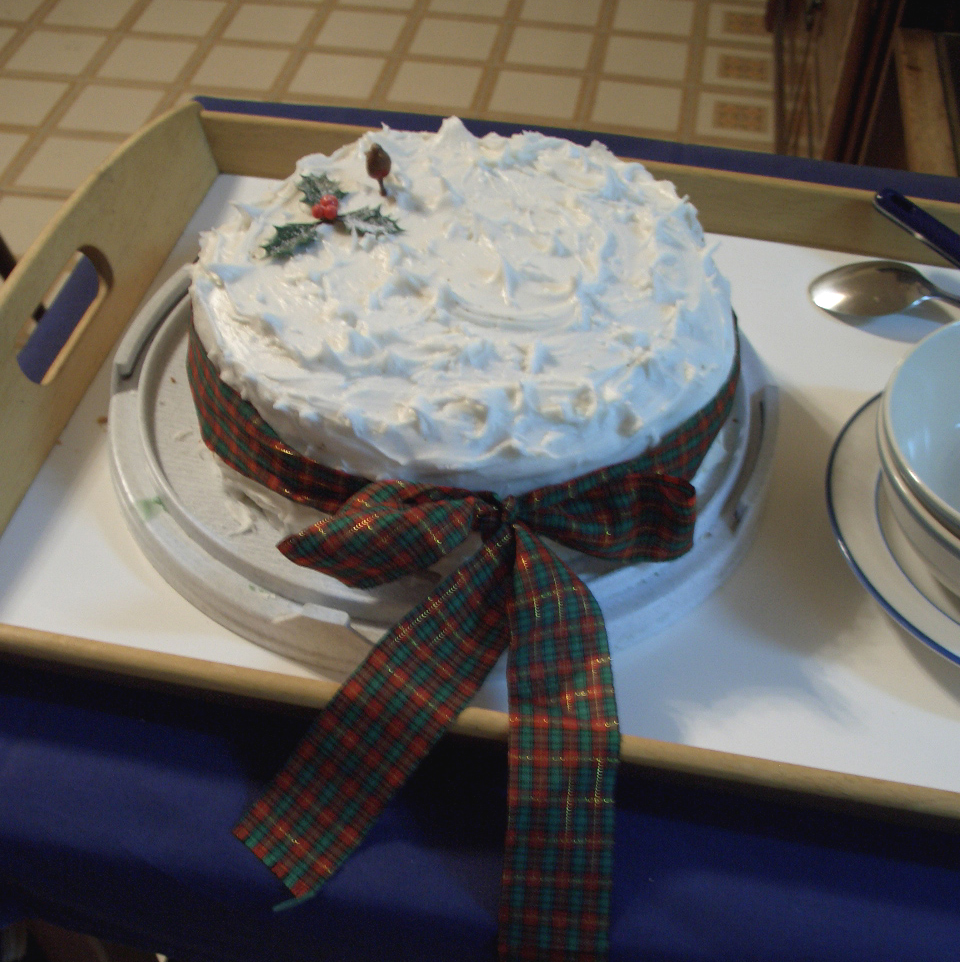 Christmas cake
🇬🇧 United Kingdom and 5 moreCakes served at Christmas, often rich with fruit, nuts or cream
Sweet or dessert, Tea time, Snacks
Christmas cake
🇬🇧 United Kingdom and 5 moreCakes served at Christmas, often rich with fruit, nuts or cream
Sweet or dessert, Tea time, Snacks
 ModakVegetarian
🇮🇳 India and 5 moreA sweet dumpling with coconut and jaggery, offered in Hindu and Buddhist rituals
Sweet or dessert, Snacks
ModakVegetarian
🇮🇳 India and 5 moreA sweet dumpling with coconut and jaggery, offered in Hindu and Buddhist rituals
Sweet or dessert, Snacks
 Flattened riceVegan
🇮🇳 India and 5 moreRice grains flattened into flakes, used in sweet and savoury dishes across Asia
Rice dish, Breakfast, Snacks
Flattened riceVegan
🇮🇳 India and 5 moreRice grains flattened into flakes, used in sweet and savoury dishes across Asia
Rice dish, Breakfast, Snacks
 Rooh AfzaVegan
🇮🇳 India and 2 moreA sweet herbal syrup mixed with water or milk, popular in South Asia
Drink, Snacks
Rooh AfzaVegan
🇮🇳 India and 2 moreA sweet herbal syrup mixed with water or milk, popular in South Asia
Drink, Snacks
 Gajar ka halwaVegetarian
🇮🇳 India and 2 moreGrated carrot cooked with milk, sugar, ghee and khoya, often served at Indian festivals
Sweet or dessert
Gajar ka halwaVegetarian
🇮🇳 India and 2 moreGrated carrot cooked with milk, sugar, ghee and khoya, often served at Indian festivals
Sweet or dessert
 Soan papdiVegetarian
🇮🇳 India and 2 moreCrisp, flaky sweet made from gram flour, sugar, ghee, and cardamom
Sweet or dessert, Snacks
Soan papdiVegetarian
🇮🇳 India and 2 moreCrisp, flaky sweet made from gram flour, sugar, ghee, and cardamom
Sweet or dessert, Snacks
 BebincaVegetarian
🇮🇳 IndiaGoan layer cake made with coconut milk, ghee, egg yolk, flour and sugar
Sweet or dessert
BebincaVegetarian
🇮🇳 IndiaGoan layer cake made with coconut milk, ghee, egg yolk, flour and sugar
Sweet or dessert
 MalpuaVegetarian
🇮🇳 India and 3 moreSweet deep-fried pancakes from the Indian subcontinent, often dipped in syrup
Sweet or dessert, Breakfast, Snacks
MalpuaVegetarian
🇮🇳 India and 3 moreSweet deep-fried pancakes from the Indian subcontinent, often dipped in syrup
Sweet or dessert, Breakfast, Snacks
 Puran PoliVegetarian
🇮🇳 IndiaSweet stuffed flatbread enjoyed at festivals and special occasions in India
Bread, Lunch, Dinner
Puran PoliVegetarian
🇮🇳 IndiaSweet stuffed flatbread enjoyed at festivals and special occasions in India
Bread, Lunch, Dinner
 PedaVegetarian
🇮🇳 IndiaThick, sweet milk fudge balls flavoured with cardamom
Sweet or dessert, Snacks
PedaVegetarian
🇮🇳 IndiaThick, sweet milk fudge balls flavoured with cardamom
Sweet or dessert, Snacks
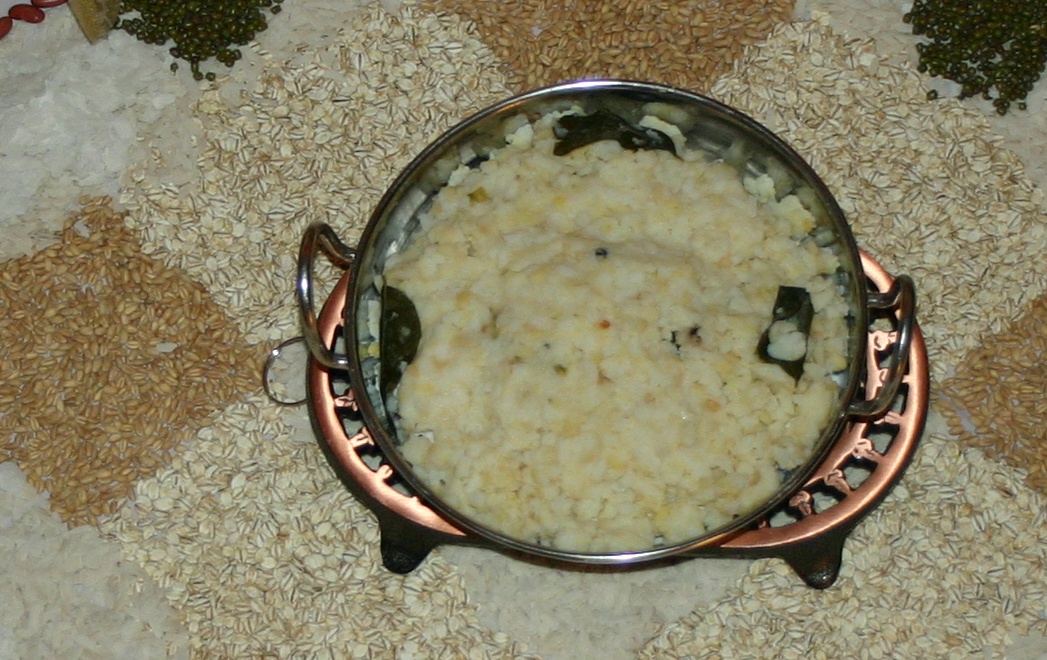 Pongal
🇮🇳 India and 1 moreRice cooked in milk, central to the Tamil harvest festival
Main dish, Breakfast, Lunch
Pongal
🇮🇳 India and 1 moreRice cooked in milk, central to the Tamil harvest festival
Main dish, Breakfast, Lunch
 SheermalVegetarianشیرمال
🇮🇷 Iran and 2 moreA sweet, saffron-scented flatbread made with milk and cardamom
Bread, Breakfast, Lunch
SheermalVegetarianشیرمال
🇮🇷 Iran and 2 moreA sweet, saffron-scented flatbread made with milk and cardamom
Bread, Breakfast, Lunch
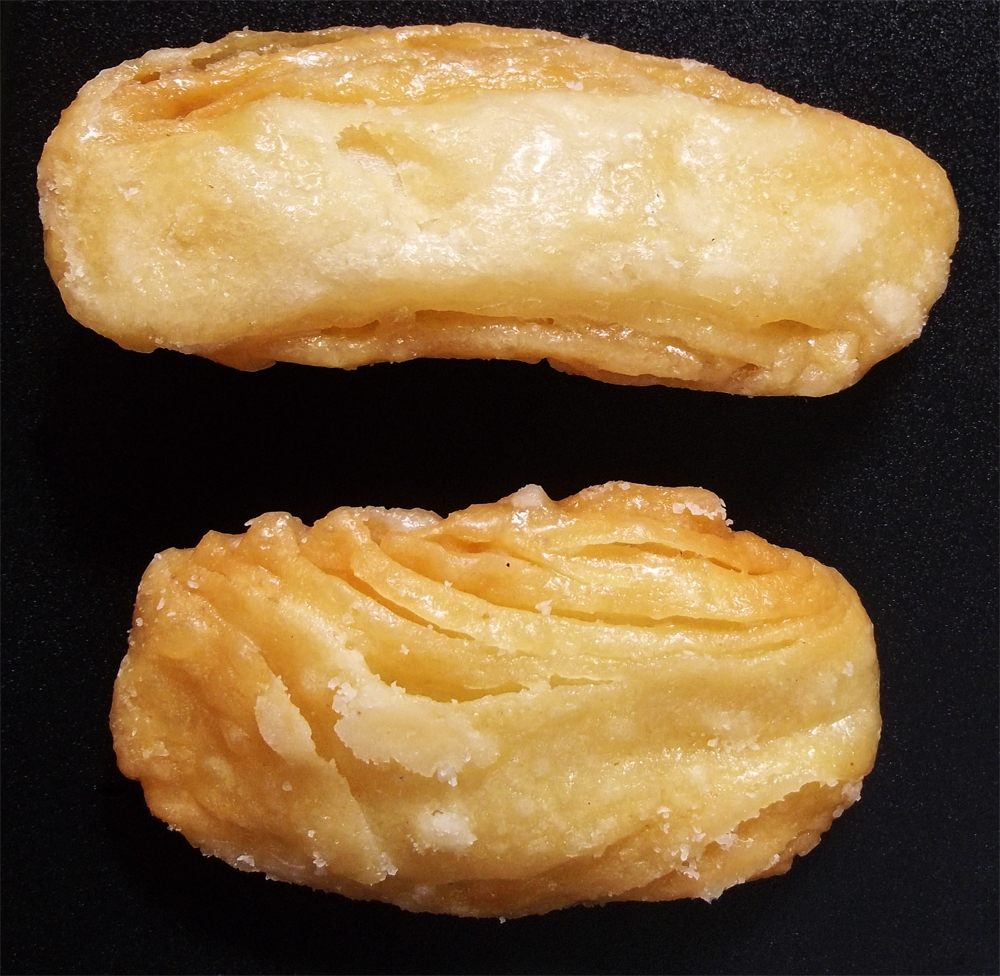 KhajaVegetarian𑂎𑂔𑂳𑂩𑂲
🇮🇳 IndiaCrisp, layered pastry deep-fried and soaked in sugar syrup
Sweet or dessert, Snacks, Tea time
KhajaVegetarian𑂎𑂔𑂳𑂩𑂲
🇮🇳 IndiaCrisp, layered pastry deep-fried and soaked in sugar syrup
Sweet or dessert, Snacks, Tea time
 KozhukattaVegetarianകൊഴുക്കട്ട (Malayalam), கொழுகட்டை (Tamil)
🇮🇳 India and 1 moreSteamed rice flour dumplings filled with sweet coconut and jaggery
Sweet or dessert, Breakfast, Snacks
KozhukattaVegetarianകൊഴുക്കട്ട (Malayalam), கொழுகட்டை (Tamil)
🇮🇳 India and 1 moreSteamed rice flour dumplings filled with sweet coconut and jaggery
Sweet or dessert, Breakfast, Snacks
 Mysore pakVegetarianಮೈಸೂರು ಪಾಕ್
🇮🇳 India and 2 moreA dense, golden sweet made from gram flour, sugar, and ghee
Sweet or dessert, Snacks
Mysore pakVegetarianಮೈಸೂರು ಪಾಕ್
🇮🇳 India and 2 moreA dense, golden sweet made from gram flour, sugar, and ghee
Sweet or dessert, Snacks
 ImartiVegetarian
🇮🇳 India and 1 moreDeep-fried black gram batter shaped into spirals and soaked in scented sugar syrup
Sweet or dessert, Snacks
ImartiVegetarian
🇮🇳 India and 1 moreDeep-fried black gram batter shaped into spirals and soaked in scented sugar syrup
Sweet or dessert, Snacks
 GujhiaVegetarian
🇮🇳 IndiaSweet deep-fried dumpling filled with milk solids, coconut and nuts
Sweet or dessert, Snacks
GujhiaVegetarian
🇮🇳 IndiaSweet deep-fried dumpling filled with milk solids, coconut and nuts
Sweet or dessert, Snacks
 ChomchomVegetarianচমচম
🇧🇩 Bangladesh and 1 moreBengali sweet made from chhena, often coated with coconut or mawa flakes
Sweet or dessert
ChomchomVegetarianচমচম
🇧🇩 Bangladesh and 1 moreBengali sweet made from chhena, often coated with coconut or mawa flakes
Sweet or dessert
 SandeshVegetarianসন্দেশ
🇮🇳 India and 1 moreBengali sweet made from chhena and sugar, often shaped and flavoured
Sweet or dessert, Snacks, Tea time
SandeshVegetarianসন্দেশ
🇮🇳 India and 1 moreBengali sweet made from chhena and sugar, often shaped and flavoured
Sweet or dessert, Snacks, Tea time
 Kaju katliVegan
🇮🇳 IndiaIndian sweet made from ground cashews and sugar, cut into diamond shapes
Sweet or dessert
Kaju katliVegan
🇮🇳 IndiaIndian sweet made from ground cashews and sugar, cut into diamond shapes
Sweet or dessert
 NankhataiVegetarian
🇮🇳 India and 4 moreShortbread biscuit from the Indian subcontinent made with flour and semolina
Sweet or dessert, Snacks, Tea time
NankhataiVegetarian
🇮🇳 India and 4 moreShortbread biscuit from the Indian subcontinent made with flour and semolina
Sweet or dessert, Snacks, Tea time
 ThekuaVegetarian
🇳🇵 Nepal and 1 moreFried sweet made from wheat flour, ghee and sugar or jaggery
Sweet or dessert, Snacks
ThekuaVegetarian
🇳🇵 Nepal and 1 moreFried sweet made from wheat flour, ghee and sugar or jaggery
Sweet or dessert, Snacks
Photo credits on this page
The small pictures above come from Wikimedia Commons under free licences. Some are cropped to fit.
- Candy: Elisa Azzali, CC BY 2.0, source
- French toast: Jonathunder, CC BY-SA 3.0, source
- Rasgulla: User:Utcursch , based on images, CC BY-SA 3.0, source
- Sheermal: Pranaykuma12, CC BY-SA 4.0, source
- Khaja: Subhashish Panigrahi, CC BY-SA 3.0, source
- Jalebi: Gpkp, CC BY-SA 4.0, source
- Macaron: M0tty, CC BY-SA 3.0, source
- Gujhia: Sanjeevdwivedi, CC BY 3.0, source
- Panchamrita: Skubydoo, CC BY-SA 4.0, source
- Mahaprasad: Government of Odisha, CC BY 4.0, source
- Bhang: Reuben Strayer, CC BY-SA 2.0, source
- Laddu: Rajdeep Das, CC BY-SA 4.0, source
- Gulab jamun: Cabeza2000, CC BY-SA 4.0, source
- Kheer: stu spivack, CC BY-SA 2.0, source
- Ice cream: Peachyeung316, CC BY-SA 4.0, source
- Rice pudding: Eli123seo, CC BY-SA 4.0, source
- Sharbat: fa:User:دانقولا, Public domain, source
- Sadya: Augustus Binu / facebook, CC BY-SA 3.0, source
- Breadfruit: Hans Hillewaert, CC BY-SA 3.0, source
- Ras malai: Subhransuphotography, CC BY-SA 4.0, source
- Mohanthal: Dkgohil, CC BY-SA 4.0, source
- Shrikhand: Secretlondon, CC BY-SA 3.0, source
- Modak: MAHESH MUTTA, CC BY-SA 3.0, source
- Jolpan: Floris van Dyck, Public domain, source
- Gajar ka halwa: Prerna Jaddwani, CC BY-SA 4.0, source
- Soan papdi: Abigail Batchelder, CC BY 2.0, source
- Bebinca: Warren Noronha, CC BY 2.0, source
- Malpua: Senjuti Dey, CC BY-SA 4.0, source
- Kulfi: danchitnis, CC BY 2.0, source
- Peda: Prashant Sahu, CC BY-SA 4.0, source
- Puran Poli: No machine-readable author provided. Pamri assumed (based on copyright, Public domain, source
- Pongal: Jennifer Kumar, Public domain, source
- Tapioca: Linason Blessing, CC BY-SA 4.0, source
- Chomchom: P.K.Niyogi, Public domain, source
- Kozhukatta: Jayashree Govindarajan, CC BY 2.0, source
- Banana chip: Ji-Elle, CC BY-SA 4.0, source
- Mysore pak: Charles Haynes, CC BY-SA 2.0, source
- Nankhatai: S.M. Samee, CC BY-SA 4.0, source
- Imarti: TAPAS KUMAR HALDER, CC BY-SA 4.0, source
- Sandesh: Sucharitabanerji, CC BY-SA 4.0, source
- Kaju katli: Unknomics, CC BY-SA 3.0, source
- Christmas cake: Martin Belam, CC BY-SA 2.0, source
- Thekua: Magadhkingdom, CC BY-SA 4.0, source
- Flattened rice: Sanjay Acharya, aka Sanjay ach at en.wikipedia, CC BY-SA 3.0, source
- Rooh Afza: Divas Grover, CC BY-SA 4.0, source