🇮🇳 The food of India
262 dishes from India, best known first, across 60 cities and regions.
Indian cooking brings together a huge range of regional and religious traditions, shaped by centuries of trade, migration, and local crops. Meals center on grains like rice or wheat, paired with lentils, vegetables, and carefully chosen spices. Distinctive techniques and a deep vegetarian tradition set it apart from other world cuisines.
- Lentils and pulses are used in many forms, including whole, split, or dehusked.
- Two unique techniques: frying spice pastes and adding fried spices to dishes.
- Street foods like vada pav, kati rolls, and idli vary by city.
- Vegetarianism is widespread, especially in Gujarat and among Jains.
- Festival foods include sweets like kheer, halwa, and puran poli.
The cooking of India
Indian food is shaped by thousands of years of cultural exchange, migration, and religious practice. Its character comes from the interplay of local grains, lentils, and vegetables, with a wide palette of spices such as turmeric, cumin, and cardamom. Cooking methods range from slow stewing to frying spice pastes or adding fried spices to finished dishes. The cuisine is known for its regional variety, from coconut-rich southern stews to wheat-based breads in the north. Vegetarianism is widespread, influenced by Hindu, Jain, and Buddhist beliefs, while Muslim and Christian communities contribute their own dishes. Food is often prepared with simple tools, but the process can be labor-intensive, involving grinding and blending.
Staple foods in India
Core foods are rice, wheat (often as flatbreads), and lentils, with pulses like mung, pigeon pea, and black gram used in many forms. Oils vary by region: coconut in the south, mustard in the east, peanut in the north and west. Spices are essential, with each region using its own blends. Vegetables, pickles, and dairy products like yogurt are common accompaniments.
Snacks and street food in India
Street food is highly regional. In Mumbai, vada pav (a spiced potato fritter in a bun) is popular. Kolkata is known for kati rolls, which wrap spiced fillings in flatbread. Chennai’s streets offer idli (steamed rice cakes) with sambar (a lentil stew). Delhi’s Muslim heritage brings kebabs and other meat snacks.
From region to region in India
Northern India favors wheat breads, lentils, and dishes cooked with the dum pukht technique, where food is sealed and slow-cooked. Kashmir is known for rich meat dishes. Western India features vegetarian stews and sweets, with Goan food blending Indian and Portuguese influences. The east relies on rice, fish, and mustard, while the south uses rice, coconut, and steaming. Each region’s climate and dominant religion shape its food.
Festival and religious food in India
Festivals bring special foods. During Diwali, sweets like kheer (rice pudding) and halwa are made. Holi sees puran poli (sweet stuffed bread) and gujia (sweet dumplings). For religious offerings, food is presented to deities and then shared as prasāda. Fasting days allow only certain foods, such as dairy, fruits, and starchy roots.
The facts in this overview come from the Wikipedia article "Indian cuisine", written by its contributors and used under the CC BY-SA 4.0 licence. Thali rewrote the text in its own words, with AI assistance, and compares every page with the article to make sure no passage is copied. It may be reused under the same CC BY-SA 4.0 licence with a link back.
Cities and regions of India
 Samosa
🇮🇳 India and 5 moreFried or baked pastry with a spiced filling, shaped into triangles or cones
Pie or savoury pastry, Snacks, Lunch
Samosa
🇮🇳 India and 5 moreFried or baked pastry with a spiced filling, shaped into triangles or cones
Pie or savoury pastry, Snacks, Lunch
 Fish and chipsFish or seafood
🇬🇧 United Kingdom and 8 moreBattered fried fish served hot with thick-cut chips
Main dish, Lunch, Dinner
Fish and chipsFish or seafood
🇬🇧 United Kingdom and 8 moreBattered fried fish served hot with thick-cut chips
Main dish, Lunch, Dinner
 ChapatiVeganचपाती
🇮🇳 India and 4 moreUnleavened flatbread cooked on a griddle and served hot with meals
Bread, Breakfast, Lunch
ChapatiVeganचपाती
🇮🇳 India and 4 moreUnleavened flatbread cooked on a griddle and served hot with meals
Bread, Breakfast, Lunch
 Roti canaiரொட்டி சென்னை
🇲🇾 Malaysia and 5 moreUnleavened flatbread tossed thin and cooked until crisp, served with curry or dal
Bread, Breakfast, Snacks
Roti canaiரொட்டி சென்னை
🇲🇾 Malaysia and 5 moreUnleavened flatbread tossed thin and cooked until crisp, served with curry or dal
Bread, Breakfast, Snacks
 JhalmuriVeganঝালমুড়ি
🇮🇳 India and 1 morePuffed rice tossed with spices, vegetables and mustard oil, served as a street snack
Street food, Snacks
JhalmuriVeganঝালমুড়ি
🇮🇳 India and 1 morePuffed rice tossed with spices, vegetables and mustard oil, served as a street snack
Street food, Snacks
 Misalमिसळ
🇮🇳 IndiaSpicy sprouted bean curry layered with toppings, served hot with bread
Main dish, Breakfast, Snacks
Misalमिसळ
🇮🇳 IndiaSpicy sprouted bean curry layered with toppings, served hot with bread
Main dish, Breakfast, Snacks
 PunuguluVegetarianపునుగులు
🇮🇳 IndiaDeep-fried snack balls made from rice and urad dal batter
Street food, Snacks
PunuguluVegetarianపునుగులు
🇮🇳 IndiaDeep-fried snack balls made from rice and urad dal batter
Street food, Snacks
 Bhel puriVegan
🇮🇳 IndiaPuffed rice snack tossed with chutneys, sev and crisp puris, sold on Mumbai streets
Street food, Snacks, Tea time
Bhel puriVegan
🇮🇳 IndiaPuffed rice snack tossed with chutneys, sev and crisp puris, sold on Mumbai streets
Street food, Snacks, Tea time
 Aloo tikkiVegetarian
🇮🇳 India and 3 morePotato cutlets spiced and fried, served hot with chutneys
Street food, Snacks
Aloo tikkiVegetarian
🇮🇳 India and 3 morePotato cutlets spiced and fried, served hot with chutneys
Street food, Snacks
 Sev puriVegetarian
🇮🇳 IndiaCrispy puris topped with potatoes, chickpeas, chutneys and crunchy sev
Street food, Snacks
Sev puriVegetarian
🇮🇳 IndiaCrispy puris topped with potatoes, chickpeas, chutneys and crunchy sev
Street food, Snacks
 Papri chaatVegetarianपापड़ी चाट
🇮🇳 India and 3 moreCrisp wafers topped with potatoes, chickpeas, yoghurt and tangy chutneys
Street food, Snacks
Papri chaatVegetarianपापड़ी चाट
🇮🇳 India and 3 moreCrisp wafers topped with potatoes, chickpeas, yoghurt and tangy chutneys
Street food, Snacks
 BreadfruitVegan
🇵🇭 Philippines and 4 moreLarge tropical fruit cooked as a starchy staple in many island cuisines
Main dish, Lunch, Dinner
BreadfruitVegan
🇵🇭 Philippines and 4 moreLarge tropical fruit cooked as a starchy staple in many island cuisines
Main dish, Lunch, Dinner
 Pakoraपकोड़ा
🇮🇳 India and 5 moreVegetables or other fillings coated in spiced gram flour batter and deep-fried
Street food, Snacks, Tea time
Pakoraपकोड़ा
🇮🇳 India and 5 moreVegetables or other fillings coated in spiced gram flour batter and deep-fried
Street food, Snacks, Tea time
 DosaVegetarianದೋಸೆ
🇮🇳 India and 3 moreA thin, fermented rice and lentil pancake from South India, served hot with chutney and sambar
Main dish, Breakfast, Lunch
DosaVegetarianದೋಸೆ
🇮🇳 India and 3 moreA thin, fermented rice and lentil pancake from South India, served hot with chutney and sambar
Main dish, Breakfast, Lunch
 Croquette
🇫🇷 France and 5 moreA deep-fried roll with a creamy or starchy filling, coated in breadcrumbs
Street food, Snacks, Lunch
PuriVegan
🇮🇳 India and 2 moreUnleavened wheat flatbread, deep-fried until puffed and golden
Bread, Breakfast, Snacks
Croquette
🇫🇷 France and 5 moreA deep-fried roll with a creamy or starchy filling, coated in breadcrumbs
Street food, Snacks, Lunch
PuriVegan
🇮🇳 India and 2 moreUnleavened wheat flatbread, deep-fried until puffed and golden
Bread, Breakfast, Snacks
 Paratha
🇮🇳 India and 5 moreLayered flatbread from the Indian subcontinent, often fried and sometimes stuffed
Bread, Breakfast, Lunch
Paratha
🇮🇳 India and 5 moreLayered flatbread from the Indian subcontinent, often fried and sometimes stuffed
Bread, Breakfast, Lunch
 Roti
🇮🇳 India and 5 moreUnleavened flatbread made from whole-wheat flour, common across South Asia and beyond
Bread, Breakfast, Lunch
Roti
🇮🇳 India and 5 moreUnleavened flatbread made from whole-wheat flour, common across South Asia and beyond
Bread, Breakfast, Lunch
 Momo
🇳🇵 Nepal and 3 moreSteamed dumplings filled with meat or vegetables, served with spicy sauces
Dumpling, Lunch, Dinner
Momo
🇳🇵 Nepal and 3 moreSteamed dumplings filled with meat or vegetables, served with spicy sauces
Dumpling, Lunch, Dinner
 PanipuriVegetarian
🇮🇳 India and 2 moreCrisp hollow puris filled with spiced potato and dipped in tangy, flavoured water
Street food, Snacks
PanipuriVegetarian
🇮🇳 India and 2 moreCrisp hollow puris filled with spiced potato and dipped in tangy, flavoured water
Street food, Snacks
 Chow mein炒麵
🇨🇳 China and 5 moreStir-fried noodles with vegetables and often meat or tofu
Noodle or pasta dish, Lunch, Dinner
Chow mein炒麵
🇨🇳 China and 5 moreStir-fried noodles with vegetables and often meat or tofu
Noodle or pasta dish, Lunch, Dinner
 Dumpling
🇨🇳 China and 5 morePieces of dough, plain or filled, cooked by boiling, steaming or frying
Main dish, Breakfast, Lunch
Dumpling
🇨🇳 China and 5 morePieces of dough, plain or filled, cooked by boiling, steaming or frying
Main dish, Breakfast, Lunch
 Masala dosaVegetarian
🇮🇳 IndiaSouth Indian rice-lentil crepe filled with spiced potato
Main dish, Breakfast, Lunch
Masala dosaVegetarian
🇮🇳 IndiaSouth Indian rice-lentil crepe filled with spiced potato
Main dish, Breakfast, Lunch
 Pav bhajiVegetarianपाव भाजी
🇮🇳 IndiaSpiced mashed vegetable curry served with buttered bread rolls
Main dish, Lunch, Dinner
Pav bhajiVegetarianपाव भाजी
🇮🇳 IndiaSpiced mashed vegetable curry served with buttered bread rolls
Main dish, Lunch, Dinner
 Vada pavVegetarian
🇮🇳 IndiaDeep-fried spiced potato fritter in a bread bun, served with chutney and chilli
Street food, Snacks
Vada pavVegetarian
🇮🇳 IndiaDeep-fried spiced potato fritter in a bread bun, served with chutney and chilli
Street food, Snacks
 Dahi vadaVegetarian
🇮🇳 India and 2 moreLentil fritters soaked in spiced yogurt and served as a cold snack
Street food, Snacks
Dahi vadaVegetarian
🇮🇳 India and 2 moreLentil fritters soaked in spiced yogurt and served as a cold snack
Street food, Snacks
 BhajiVegetarian
🇮🇳 India and 4 moreSpiced vegetable fritters from the Indian subcontinent, often sold as street snacks
Street food, Snacks
BhajiVegetarian
🇮🇳 India and 4 moreSpiced vegetable fritters from the Indian subcontinent, often sold as street snacks
Street food, Snacks
 MurtabakMeatمُطَبَّق
🇾🇪 Yemen and 5 moreA stuffed, folded pancake or flatbread with savoury or sweet fillings
Main dish, Lunch, Dinner
MurtabakMeatمُطَبَّق
🇾🇪 Yemen and 5 moreA stuffed, folded pancake or flatbread with savoury or sweet fillings
Main dish, Lunch, Dinner
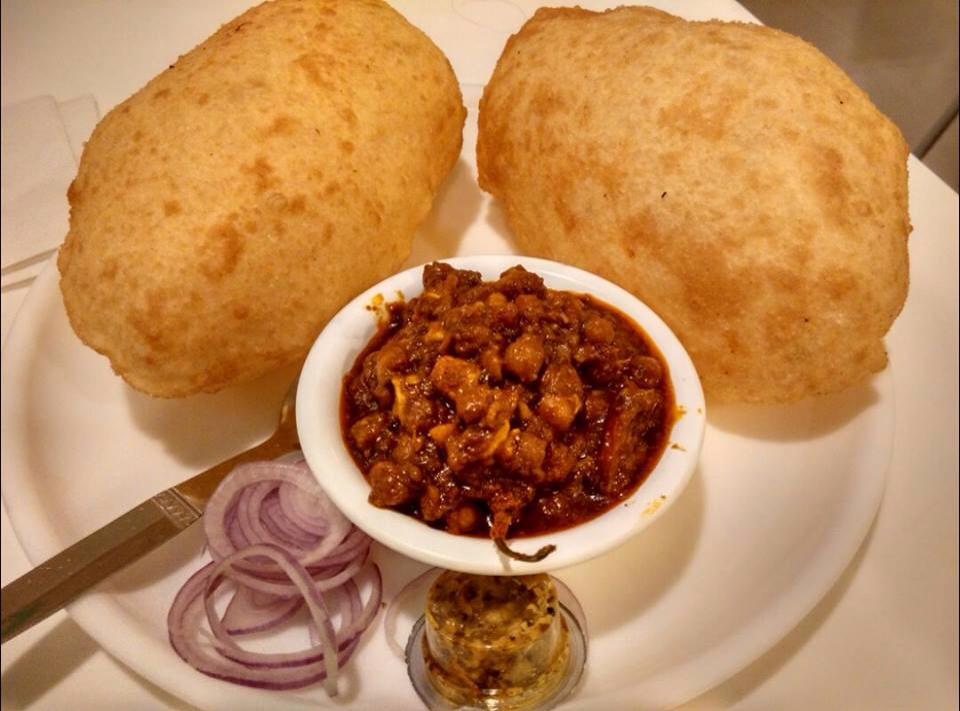 Chole bhatureVegetarian
🇮🇳 IndiaChickpea curry served with deep-fried, puffy bread
Main dish, Breakfast, Lunch
Chole bhatureVegetarian
🇮🇳 IndiaChickpea curry served with deep-fried, puffy bread
Main dish, Breakfast, Lunch
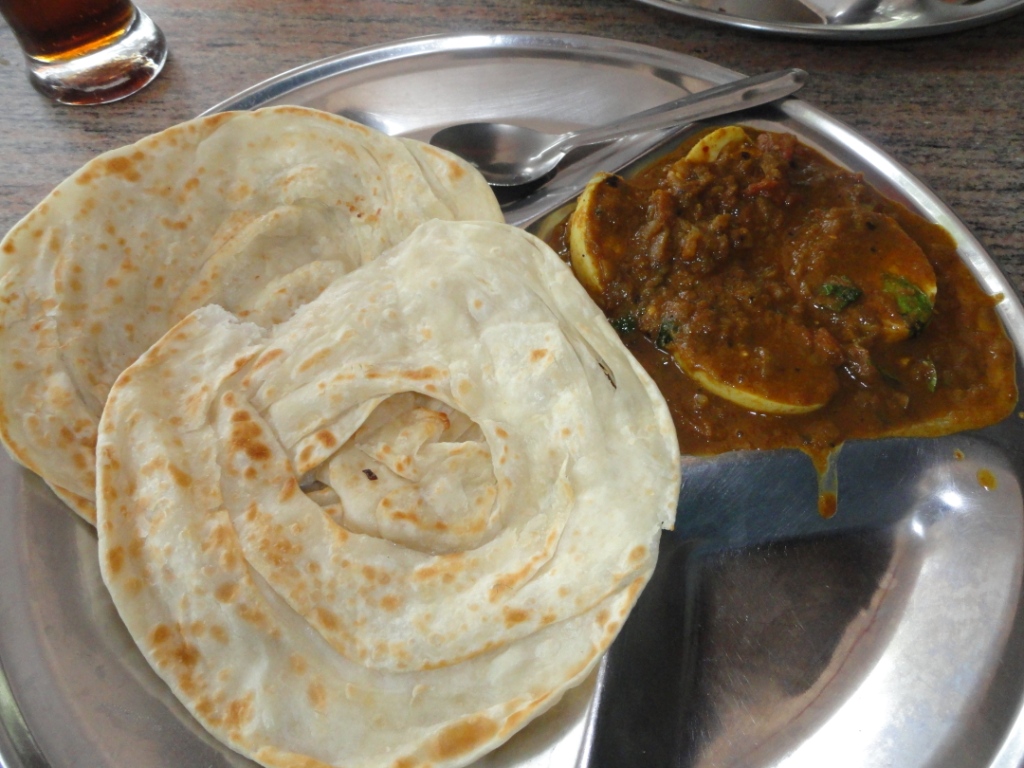 Parotta
🇮🇳 India and 5 moreLayered flatbread from South India, soft and flakey, made with refined flour
Bread, Breakfast, Lunch
Parotta
🇮🇳 India and 5 moreLayered flatbread from South India, soft and flakey, made with refined flour
Bread, Breakfast, Lunch
 Batata vadaVegetarianबटाटा वडा
🇮🇳 IndiaDeep-fried potato patties from Maharashtra, coated in chickpea flour batter
Street food, Snacks
Batata vadaVegetarianबटाटा वडा
🇮🇳 IndiaDeep-fried potato patties from Maharashtra, coated in chickpea flour batter
Street food, Snacks
 Paneer tikkaVegetarian
🇮🇳 IndiaGrilled spiced paneer cubes served hot, often with vegetables and chutney
Main dish, Snacks, Dinner
Paneer tikkaVegetarian
🇮🇳 IndiaGrilled spiced paneer cubes served hot, often with vegetables and chutney
Main dish, Snacks, Dinner
 Shami kebabMeatشامی کباب
🇮🇳 India and 2 moreMinced meat and chickpea patties, shallow-fried and spiced
Main dish, Snacks, Lunch
Shami kebabMeatشامی کباب
🇮🇳 India and 2 moreMinced meat and chickpea patties, shallow-fried and spiced
Main dish, Snacks, Lunch
 Chapli kebabMeatچَپلِي کَبَاب
🇵🇰 Pakistan and 2 moreFlattened spiced meat patties fried and served hot, from Peshawar
Main dish, Lunch, Dinner
Chapli kebabMeatچَپلِي کَبَاب
🇵🇰 Pakistan and 2 moreFlattened spiced meat patties fried and served hot, from Peshawar
Main dish, Lunch, Dinner
 Kottu rotiකොත්තු රොටි
🇱🇰 Sri Lanka and 1 moreSri Lankan street dish of chopped roti stir-fried with meat, egg, vegetables and spices
Main dish, Dinner, Lunch
Tikka
🇮🇳 India and 2 moreChunks of marinated meat or paneer cooked in a tandoor oven
Main dish, Snacks, Dinner
Kottu rotiකොත්තු රොටි
🇱🇰 Sri Lanka and 1 moreSri Lankan street dish of chopped roti stir-fried with meat, egg, vegetables and spices
Main dish, Dinner, Lunch
Tikka
🇮🇳 India and 2 moreChunks of marinated meat or paneer cooked in a tandoor oven
Main dish, Snacks, Dinner
 Chicken 65Meatசிக்கன் 65
🇮🇳 IndiaSpicy deep-fried boneless chicken from Chennai, served with onion and lemon
Main dish, Lunch, Dinner
Chicken 65Meatசிக்கன் 65
🇮🇳 IndiaSpicy deep-fried boneless chicken from Chennai, served with onion and lemon
Main dish, Lunch, Dinner
 SardineFish or seafood
🇵🇹 Portugal and 5 moreSmall oily fish enjoyed fresh, canned, smoked or pickled in many countries
Main dish, Lunch, Dinner
SardineFish or seafood
🇵🇹 Portugal and 5 moreSmall oily fish enjoyed fresh, canned, smoked or pickled in many countries
Main dish, Lunch, Dinner
 Mughlai parathaমোগলাই পরোটা
🇧🇩 Bangladesh and 1 moreBengali flatbread stuffed with spiced meat or egg, served as a street snack
Street food, Snacks
Mughlai parathaমোগলাই পরোটা
🇧🇩 Bangladesh and 1 moreBengali flatbread stuffed with spiced meat or egg, served as a street snack
Street food, Snacks
 BeguniVeganবেগুনী
🇧🇩 Bangladesh and 1 moreEggplant slices dipped in gram flour batter and deep-fried
Street food, Snacks
BeguniVeganবেগুনী
🇧🇩 Bangladesh and 1 moreEggplant slices dipped in gram flour batter and deep-fried
Street food, Snacks
 Egg bhurjiVegetarian
🇮🇳 IndiaIndian-style scrambled eggs with onions, chilies and spices
Main dish, Breakfast, Lunch
Egg bhurjiVegetarian
🇮🇳 IndiaIndian-style scrambled eggs with onions, chilies and spices
Main dish, Breakfast, Lunch
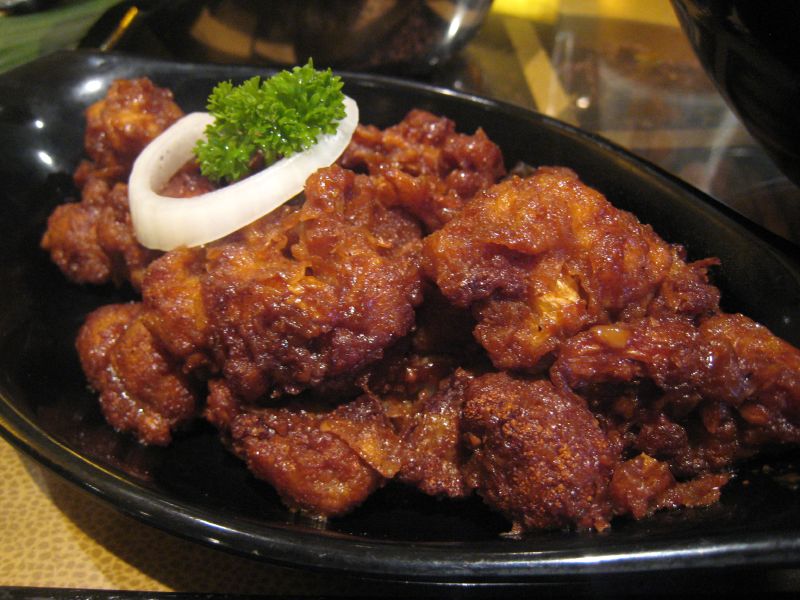 Gobi ManchurianVegetarian
🇮🇳 IndiaCauliflower fritters tossed in a tangy, spicy Indo-Chinese sauce
Main dish, Lunch, Dinner
Gobi ManchurianVegetarian
🇮🇳 IndiaCauliflower fritters tossed in a tangy, spicy Indo-Chinese sauce
Main dish, Lunch, Dinner
 Corn on the cobVegan
🇲🇽 Mexico and 5 moreSweet corn cooked and eaten straight from the cob, often with butter and salt
Main dish, Lunch, Dinner
Corn on the cobVegan
🇲🇽 Mexico and 5 moreSweet corn cooked and eaten straight from the cob, often with butter and salt
Main dish, Lunch, Dinner
 Ghugniঘুগনি
🇮🇳 India and 2 moreCurried peas or chickpeas, often served with bread or snacks in eastern India and Nepal
Main dish, Breakfast, Lunch
PesarattuVeganపెసరట్టు
🇮🇳 IndiaGreen gram crepe from Andhra Pradesh, often eaten for breakfast or as a snack
Bread, Breakfast, Snacks
Ghugniঘুগনি
🇮🇳 India and 2 moreCurried peas or chickpeas, often served with bread or snacks in eastern India and Nepal
Main dish, Breakfast, Lunch
PesarattuVeganపెసరట్టు
🇮🇳 IndiaGreen gram crepe from Andhra Pradesh, often eaten for breakfast or as a snack
Bread, Breakfast, Snacks
 DabeliVegetarianદાબેલી
🇮🇳 IndiaSpiced potato filling in a bun, topped with chutneys, peanuts and pomegranate
Street food, Snacks
DabeliVegetarianદાબેલી
🇮🇳 IndiaSpiced potato filling in a bun, topped with chutneys, peanuts and pomegranate
Street food, Snacks
 Litti ChokhaVegetarian
🇮🇳 India and 1 moreWheat flour balls filled with spiced roasted gram flour, served with mashed vegetables
Main dish, Lunch, Dinner
Litti ChokhaVegetarian
🇮🇳 India and 1 moreWheat flour balls filled with spiced roasted gram flour, served with mashed vegetables
Main dish, Lunch, Dinner
 ChakliVegetarian
🇮🇳 India and 2 moreCrisp, spiral-shaped Indian snack made from mixed flours and spices
Street food, Snacks
ChakliVegetarian
🇮🇳 India and 2 moreCrisp, spiral-shaped Indian snack made from mixed flours and spices
Street food, Snacks
Photo credits on this page
The small pictures above come from Wikimedia Commons under free licences. Some are cropped to fit.
- Parotta: Amanbedi1, CC BY-SA 4.0, source
- Chicken 65: Amiyashrivastava, CC BY-SA 3.0, source
- Dosa: Roland, CC BY 2.0, source
- Paratha: Wagaung at English Wikipedia, CC BY-SA 3.0, source
- Vada pav: Kaushiki Prabhudesai, CC BY-SA 4.0, source
- Momo: TAPAS KUMAR HALDER, CC BY-SA 4.0, source
- Fish and chips: Andrew Dunn, CC BY-SA 2.0, source
- Samosa: kspoddar, CC BY-SA 2.0, source
- Panipuri: Teena Sometimes, CC BY-SA 4.0, source
- Chapati: Roland zh, CC BY-SA 3.0, source
- Pakora: ampersandyslexia, CC BY-SA 2.0, source
- Croquette: Jonathan Pincas, CC BY 2.0, source
- Masala dosa: Mike Linksvayer, CC BY 2.0, source
- Bhel puri: stu_spivack, CC BY-SA 2.0, source
- Aloo tikki: Raveesh Vyas, CC BY-SA 2.0, source
- Sev puri: https://www.flickr.com/photos/feastguru_kirti/, CC BY-SA 2.0, source
- Papri chaat: Ravi Talwar, CC BY-SA 4.0, source
- Chow mein: roland, CC BY 2.0, source
- Roti canai: No machine-readable author provided. Jpatokal assumed (based on copyri, CC BY-SA 3.0, source
- Breadfruit: Hans Hillewaert, CC BY-SA 3.0, source
- Pav bhaji: Rishika Palvankar, CC BY 2.0, source
- Punugulu: Balajijagadesh, CC BY-SA 4.0, source
- Misal: Nick Gray, CC BY-SA 2.0, source
- Dahi vada: Mdsmds0, CC BY-SA 4.0, source
- Murtabak: Mojackjutaily, CC BY-SA 4.0, source
- Chole bhature: MaharajaMandy, CC BY-SA 4.0, source
- Jhalmuri: Johirpro, CC BY-SA 4.0, source
- Roti: HridoyKundu, CC BY-SA 4.0, source
- Batata vada: Arthrajsinh Solanki, CC BY-SA 4.0, source
- Paneer tikka: Sonja Pauen - Stanhopea, CC BY 2.0 de, source
- Dumpling: Kobako, CC BY-SA 2.5, source
- Chapli kebab: Miansari66, Public domain, source
- Kottu roti: Unknown author, Public domain, source
- Bhaji: balu, CC BY 2.0, source
- Beguni: Biswarup Ganguly, CC BY 3.0, source
- Egg bhurji: Praveen, CC BY 2.0, source
- Dabeli: Kanikatwl, CC BY-SA 4.0, source
- Shami kebab: Murcotipton, CC BY-SA 3.0, source
- Ghugni: raasiel, CC BY 2.0, source
- Litti Chokha: Sumit Surai, CC BY-SA 4.0, source
- Chakli: Sankalp Dravid, Public domain, source
- Sardine: Rl, CC BY-SA 3.0, source
- Mughlai paratha: Vsigamany, CC BY-SA 4.0, source
- Gobi Manchurian: scaredy_kat, CC BY 2.5, source
- Corn on the cob: NeoBatfreak, CC BY-SA 4.0, source