🇮🇳 The food of India
169 dishes from India, best known first, across 60 cities and regions.
Indian cooking brings together a huge range of regional and religious traditions, shaped by centuries of trade, migration, and local crops. Meals center on grains like rice or wheat, paired with lentils, vegetables, and carefully chosen spices. Distinctive techniques and a deep vegetarian tradition set it apart from other world cuisines.
- Lentils and pulses are used in many forms, including whole, split, or dehusked.
- Two unique techniques: frying spice pastes and adding fried spices to dishes.
- Street foods like vada pav, kati rolls, and idli vary by city.
- Vegetarianism is widespread, especially in Gujarat and among Jains.
- Festival foods include sweets like kheer, halwa, and puran poli.
The cooking of India
Indian food is shaped by thousands of years of cultural exchange, migration, and religious practice. Its character comes from the interplay of local grains, lentils, and vegetables, with a wide palette of spices such as turmeric, cumin, and cardamom. Cooking methods range from slow stewing to frying spice pastes or adding fried spices to finished dishes. The cuisine is known for its regional variety, from coconut-rich southern stews to wheat-based breads in the north. Vegetarianism is widespread, influenced by Hindu, Jain, and Buddhist beliefs, while Muslim and Christian communities contribute their own dishes. Food is often prepared with simple tools, but the process can be labor-intensive, involving grinding and blending.
Staple foods in India
Core foods are rice, wheat (often as flatbreads), and lentils, with pulses like mung, pigeon pea, and black gram used in many forms. Oils vary by region: coconut in the south, mustard in the east, peanut in the north and west. Spices are essential, with each region using its own blends. Vegetables, pickles, and dairy products like yogurt are common accompaniments.
Snacks and street food in India
Street food is highly regional. In Mumbai, vada pav (a spiced potato fritter in a bun) is popular. Kolkata is known for kati rolls, which wrap spiced fillings in flatbread. Chennai’s streets offer idli (steamed rice cakes) with sambar (a lentil stew). Delhi’s Muslim heritage brings kebabs and other meat snacks.
From region to region in India
Northern India favors wheat breads, lentils, and dishes cooked with the dum pukht technique, where food is sealed and slow-cooked. Kashmir is known for rich meat dishes. Western India features vegetarian stews and sweets, with Goan food blending Indian and Portuguese influences. The east relies on rice, fish, and mustard, while the south uses rice, coconut, and steaming. Each region’s climate and dominant religion shape its food.
Festival and religious food in India
Festivals bring special foods. During Diwali, sweets like kheer (rice pudding) and halwa are made. Holi sees puran poli (sweet stuffed bread) and gujia (sweet dumplings). For religious offerings, food is presented to deities and then shared as prasāda. Fasting days allow only certain foods, such as dairy, fruits, and starchy roots.
The facts in this overview come from the Wikipedia article "Indian cuisine", written by its contributors and used under the CC BY-SA 4.0 licence. Thali rewrote the text in its own words, with AI assistance, and compares every page with the article to make sure no passage is copied. It may be reused under the same CC BY-SA 4.0 licence with a link back.
Cities and regions of India
 Kebabكَبَاب
🇹🇷 Turkey and 5 moreGrilled or roasted meat, often on skewers, found across the Middle East and beyond
Main dish, Lunch, Dinner
Kebabكَبَاب
🇹🇷 Turkey and 5 moreGrilled or roasted meat, often on skewers, found across the Middle East and beyond
Main dish, Lunch, Dinner
 Biryani
🇮🇳 India and 5 moreRice and spiced meat or vegetables layered and cooked together
Main dish, Lunch, Dinner
Biryani
🇮🇳 India and 5 moreRice and spiced meat or vegetables layered and cooked together
Main dish, Lunch, Dinner
 French toast
🇫🇷 France and 5 moreBread soaked in egg and milk, pan-fried and served sweet or savoury
Main dish, Breakfast, Snacks
French toast
🇫🇷 France and 5 moreBread soaked in egg and milk, pan-fried and served sweet or savoury
Main dish, Breakfast, Snacks
 Fish and chipsFish or seafood
🇬🇧 United Kingdom and 8 moreBattered fried fish served hot with thick-cut chips
Main dish, Lunch, Dinner
Fish and chipsFish or seafood
🇬🇧 United Kingdom and 8 moreBattered fried fish served hot with thick-cut chips
Main dish, Lunch, Dinner
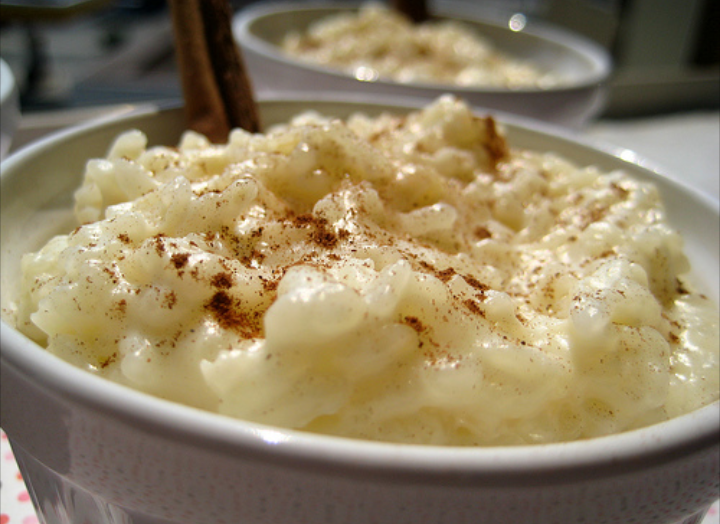 Rice pudding
🇮🇳 India and 4 moreSweetened rice cooked in milk, found in many forms worldwide
Sweet or dessert, Breakfast, Lunch
Rice pudding
🇮🇳 India and 4 moreSweetened rice cooked in milk, found in many forms worldwide
Sweet or dessert, Breakfast, Lunch
 ChapatiVeganचपाती
🇮🇳 India and 4 moreUnleavened flatbread cooked on a griddle and served hot with meals
Bread, Breakfast, Lunch
ChapatiVeganचपाती
🇮🇳 India and 4 moreUnleavened flatbread cooked on a griddle and served hot with meals
Bread, Breakfast, Lunch
 SadyaVegetarianസദ്യ
🇮🇳 IndiaA festive vegetarian feast from Kerala, served on a banana leaf
Main dish, Lunch
SadyaVegetarianസദ്യ
🇮🇳 IndiaA festive vegetarian feast from Kerala, served on a banana leaf
Main dish, Lunch
 Roti canaiரொட்டி சென்னை
🇲🇾 Malaysia and 5 moreUnleavened flatbread tossed thin and cooked until crisp, served with curry or dal
Bread, Breakfast, Snacks
Roti canaiரொட்டி சென்னை
🇲🇾 Malaysia and 5 moreUnleavened flatbread tossed thin and cooked until crisp, served with curry or dal
Bread, Breakfast, Snacks
 Dum pukht
🇮🇳 IndiaMeat and vegetables slow-cooked in a sealed pot over low heat
Main dish
Dum pukht
🇮🇳 IndiaMeat and vegetables slow-cooked in a sealed pot over low heat
Main dish
 Misalमिसळ
🇮🇳 IndiaSpicy sprouted bean curry layered with toppings, served hot with bread
Main dish, Breakfast, Snacks
Misalमिसळ
🇮🇳 IndiaSpicy sprouted bean curry layered with toppings, served hot with bread
Main dish, Breakfast, Snacks
 BreadfruitVegan
🇵🇭 Philippines and 4 moreLarge tropical fruit cooked as a starchy staple in many island cuisines
Main dish, Lunch, Dinner
BreadfruitVegan
🇵🇭 Philippines and 4 moreLarge tropical fruit cooked as a starchy staple in many island cuisines
Main dish, Lunch, Dinner
 RajmaVegetarian
🇮🇳 India and 2 moreKidney beans stewed with spices, often served with rice in North India and Nepal
Main dish, Lunch, Dinner
RajmaVegetarian
🇮🇳 India and 2 moreKidney beans stewed with spices, often served with rice in North India and Nepal
Main dish, Lunch, Dinner
 MahaprasadVegetarianମହାପ୍ରସାଦ
🇮🇳 IndiaSanctified vegetarian food served at the Jagannath Temple in Puri, Odisha
Main dish, Lunch, Dinner
MahaprasadVegetarianମହାପ୍ରସାଦ
🇮🇳 IndiaSanctified vegetarian food served at the Jagannath Temple in Puri, Odisha
Main dish, Lunch, Dinner
 MeatballMeat
🇮🇹 Italy and 5 moreGround meat shaped into balls and cooked by frying, baking, or braising in sauce
Main dish, Lunch, Dinner
MeatballMeat
🇮🇹 Italy and 5 moreGround meat shaped into balls and cooked by frying, baking, or braising in sauce
Main dish, Lunch, Dinner
 DosaVegetarianದೋಸೆ
🇮🇳 India and 3 moreA thin, fermented rice and lentil pancake from South India, served hot with chutney and sambar
Main dish, Breakfast, Lunch
DosaVegetarianದೋಸೆ
🇮🇳 India and 3 moreA thin, fermented rice and lentil pancake from South India, served hot with chutney and sambar
Main dish, Breakfast, Lunch
 Chicken tikka masalaMeat
🇬🇧 United Kingdom and 4 moreRoasted marinated chicken in a creamy, spiced tomato-based sauce
Main dish, Lunch, Dinner
Chicken tikka masalaMeat
🇬🇧 United Kingdom and 4 moreRoasted marinated chicken in a creamy, spiced tomato-based sauce
Main dish, Lunch, Dinner
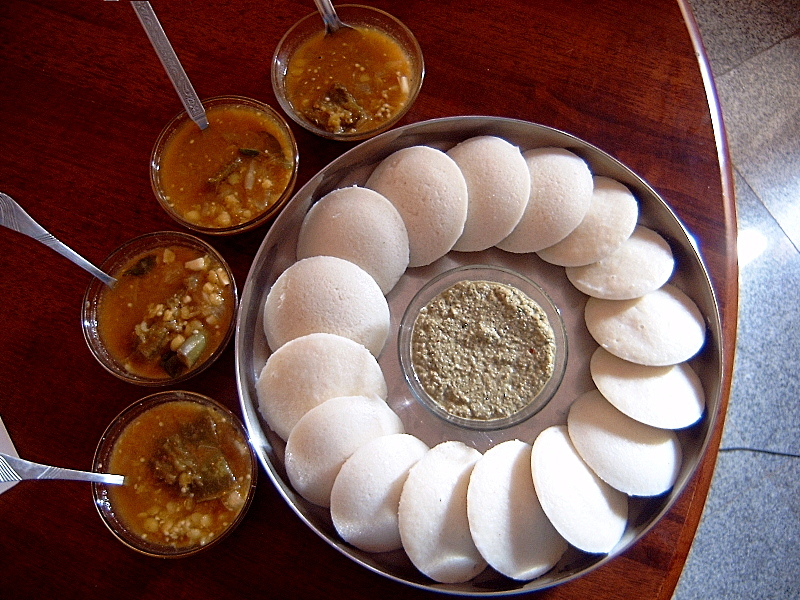 IdliVegetarian
🇮🇳 India and 1 moreSteamed cakes of fermented rice and lentil batter from South India and Sri Lanka
Main dish, Breakfast, Dinner
IdliVegetarian
🇮🇳 India and 1 moreSteamed cakes of fermented rice and lentil batter from South India and Sri Lanka
Main dish, Breakfast, Dinner
 DalVeganदाल
🇮🇳 India and 5 moreSoupy dish made from split lentils, peas or beans, a staple across South Asia
Main dish, Lunch, Dinner
DalVeganदाल
🇮🇳 India and 5 moreSoupy dish made from split lentils, peas or beans, a staple across South Asia
Main dish, Lunch, Dinner
 Paratha
🇮🇳 India and 5 moreLayered flatbread from the Indian subcontinent, often fried and sometimes stuffed
Bread, Breakfast, Lunch
Paratha
🇮🇳 India and 5 moreLayered flatbread from the Indian subcontinent, often fried and sometimes stuffed
Bread, Breakfast, Lunch
 Roti
🇮🇳 India and 5 moreUnleavened flatbread made from whole-wheat flour, common across South Asia and beyond
Bread, Breakfast, Lunch
Roti
🇮🇳 India and 5 moreUnleavened flatbread made from whole-wheat flour, common across South Asia and beyond
Bread, Breakfast, Lunch
 Momo
🇳🇵 Nepal and 3 moreSteamed dumplings filled with meat or vegetables, served with spicy sauces
Dumpling, Lunch, Dinner
Momo
🇳🇵 Nepal and 3 moreSteamed dumplings filled with meat or vegetables, served with spicy sauces
Dumpling, Lunch, Dinner
 VindalooMeat
🇮🇳 India and 2 moreA spicy curry of meat, vinegar and chili from Goa, now found worldwide
Main dish, Lunch, Dinner
VindalooMeat
🇮🇳 India and 2 moreA spicy curry of meat, vinegar and chili from Goa, now found worldwide
Main dish, Lunch, Dinner
 AppamVeganஅப்பம்
🇮🇳 India and 1 moreFermented rice and coconut milk pancake from South India and Sri Lanka
Bread, Breakfast, Dinner
AppamVeganஅப்பம்
🇮🇳 India and 1 moreFermented rice and coconut milk pancake from South India and Sri Lanka
Bread, Breakfast, Dinner
 Tandoori chickenMeat
🇮🇳 India and 2 moreChicken marinated in yogurt and spices, roasted in a clay oven
Main dish, Lunch, Dinner
Tandoori chickenMeat
🇮🇳 India and 2 moreChicken marinated in yogurt and spices, roasted in a clay oven
Main dish, Lunch, Dinner
 Lentil soupVegan
🇪🇬 Egypt and 5 moreA hearty soup made from lentils, often with vegetables and spices
Soup, Lunch, Dinner
Lentil soupVegan
🇪🇬 Egypt and 5 moreA hearty soup made from lentils, often with vegetables and spices
Soup, Lunch, Dinner
 Butter chickenMeatमुर्ग़ मक्खनी
🇮🇳 India and 5 moreChicken in a rich, creamy tomato and butter sauce
Main dish, Lunch, Dinner
Butter chickenMeatमुर्ग़ मक्खनी
🇮🇳 India and 5 moreChicken in a rich, creamy tomato and butter sauce
Main dish, Lunch, Dinner
 Korma
🇮🇳 India and 4 moreA rich curry of meat or vegetables simmered in yogurt and spices
Stew or curry, Lunch, Dinner
Korma
🇮🇳 India and 4 moreA rich curry of meat or vegetables simmered in yogurt and spices
Stew or curry, Lunch, Dinner
 Chow mein炒麵
🇨🇳 China and 5 moreStir-fried noodles with vegetables and often meat or tofu
Noodle or pasta dish, Lunch, Dinner
Chow mein炒麵
🇨🇳 China and 5 moreStir-fried noodles with vegetables and often meat or tofu
Noodle or pasta dish, Lunch, Dinner
 KhichdiVegetarian
🇮🇳 India and 4 moreRice and lentils cooked together, often with vegetables and spices
Main dish, Breakfast, Lunch
KhichdiVegetarian
🇮🇳 India and 4 moreRice and lentils cooked together, often with vegetables and spices
Main dish, Breakfast, Lunch
 SambarVegetarian
🇮🇳 IndiaA South Indian lentil and vegetable stew soured with tamarind
Stew or curry, Breakfast, Lunch
SambarVegetarian
🇮🇳 IndiaA South Indian lentil and vegetable stew soured with tamarind
Stew or curry, Breakfast, Lunch
 Dumpling
🇨🇳 China and 5 morePieces of dough, plain or filled, cooked by boiling, steaming or frying
Main dish, Breakfast, Lunch
Dumpling
🇨🇳 China and 5 morePieces of dough, plain or filled, cooked by boiling, steaming or frying
Main dish, Breakfast, Lunch
 Chicken tikkaMeat
🇵🇰 Pakistan and 2 moreBoneless chicken pieces marinated in yogurt and spices, cooked in a tandoor oven
Main dish, Lunch, Dinner
Chicken tikkaMeat
🇵🇰 Pakistan and 2 moreBoneless chicken pieces marinated in yogurt and spices, cooked in a tandoor oven
Main dish, Lunch, Dinner
 Chana masalaVegan
🇮🇳 India and 1 moreChickpeas simmered in a spiced tomato and onion sauce
Main dish, Lunch, Dinner
Chana masalaVegan
🇮🇳 India and 1 moreChickpeas simmered in a spiced tomato and onion sauce
Main dish, Lunch, Dinner
 Fesenjānفسنجان
🇮🇷 Iran and 5 morePersian stew of pomegranate, walnuts and poultry, served with rice
Main dish, Dinner
Fesenjānفسنجان
🇮🇷 Iran and 5 morePersian stew of pomegranate, walnuts and poultry, served with rice
Main dish, Dinner
 Masala dosaVegetarian
🇮🇳 IndiaSouth Indian rice-lentil crepe filled with spiced potato
Main dish, Breakfast, Lunch
Masala dosaVegetarian
🇮🇳 IndiaSouth Indian rice-lentil crepe filled with spiced potato
Main dish, Breakfast, Lunch
 Roast chickenMeat
🇺🇸 United States and 5 moreWhole chicken roasted over heat or fire, served in many styles worldwide
Main dish, Lunch, Dinner
Roast chickenMeat
🇺🇸 United States and 5 moreWhole chicken roasted over heat or fire, served in many styles worldwide
Main dish, Lunch, Dinner
 Pav bhajiVegetarianपाव भाजी
🇮🇳 IndiaSpiced mashed vegetable curry served with buttered bread rolls
Main dish, Lunch, Dinner
Pav bhajiVegetarianपाव भाजी
🇮🇳 IndiaSpiced mashed vegetable curry served with buttered bread rolls
Main dish, Lunch, Dinner
 Palak paneerVegetarian
🇮🇳 IndiaPaneer cheese cubes in a spiced spinach purée
Main dish, Lunch, Dinner
Palak paneerVegetarian
🇮🇳 IndiaPaneer cheese cubes in a spiced spinach purée
Main dish, Lunch, Dinner
 HaleemMeat
🇮🇳 India and 7 moreA slow-cooked stew of wheat, lentils, meat and spices
Stew or curry, Breakfast, Lunch
HaleemMeat
🇮🇳 India and 7 moreA slow-cooked stew of wheat, lentils, meat and spices
Stew or curry, Breakfast, Lunch
 PuttuVeganപുട്ട്
🇮🇳 India and 2 moreSteamed cylinders of rice flour and coconut, served hot for breakfast
Main dish, Breakfast
PuttuVeganപുട്ട്
🇮🇳 India and 2 moreSteamed cylinders of rice flour and coconut, served hot for breakfast
Main dish, Breakfast
 Aloo gobiVegetarianआलू गोभी
🇮🇳 India and 2 morePotato and cauliflower cooked with turmeric and spices
Main dish, Lunch, Dinner
Aloo gobiVegetarianआलू गोभी
🇮🇳 India and 2 morePotato and cauliflower cooked with turmeric and spices
Main dish, Lunch, Dinner
 UpmaVegetarian
🇮🇳 India and 1 moreA soft, savoury porridge made from roasted semolina or rice flour
Main dish, Breakfast, Dinner
UpmaVegetarian
🇮🇳 India and 1 moreA soft, savoury porridge made from roasted semolina or rice flour
Main dish, Breakfast, Dinner
 Hyderabadi biryani
🇮🇳 IndiaBasmati rice and spiced meat cooked together in the Hyderabad style
Main dish, Lunch, Dinner
Hyderabadi biryani
🇮🇳 IndiaBasmati rice and spiced meat cooked together in the Hyderabad style
Main dish, Lunch, Dinner
 NihariMeat
🇮🇳 India and 2 moreSlow-cooked meat stew from the Indian subcontinent, served hot with bread or rice
Stew or curry, Breakfast, Lunch
NihariMeat
🇮🇳 India and 2 moreSlow-cooked meat stew from the Indian subcontinent, served hot with bread or rice
Stew or curry, Breakfast, Lunch
 MurtabakMeatمُطَبَّق
🇾🇪 Yemen and 5 moreA stuffed, folded pancake or flatbread with savoury or sweet fillings
Main dish, Lunch, Dinner
MurtabakMeatمُطَبَّق
🇾🇪 Yemen and 5 moreA stuffed, folded pancake or flatbread with savoury or sweet fillings
Main dish, Lunch, Dinner
 Dal makhaniVegetarian
🇮🇳 India and 1 moreCreamy black lentils slow-cooked with butter and spices
Main dish, Lunch, Dinner
Dal makhaniVegetarian
🇮🇳 India and 1 moreCreamy black lentils slow-cooked with butter and spices
Main dish, Lunch, Dinner
 DhoklaVegetarian
🇮🇳 IndiaSteamed, spongy savoury cake from Gujarat made with fermented lentil and rice batter
Main dish, Breakfast, Lunch
DhoklaVegetarian
🇮🇳 IndiaSteamed, spongy savoury cake from Gujarat made with fermented lentil and rice batter
Main dish, Breakfast, Lunch
 Dal bhatVegetarian
🇳🇵 Nepal and 2 moreLentil soup served with plain rice, a staple meal across South Asia
Main dish, Lunch, Dinner
Dal bhatVegetarian
🇳🇵 Nepal and 2 moreLentil soup served with plain rice, a staple meal across South Asia
Main dish, Lunch, Dinner
Photo credits on this page
The small pictures above come from Wikimedia Commons under free licences. Some are cropped to fit.
- French toast: Jonathunder, CC BY-SA 3.0, source
- Idli: Soumya dey at English Wikipedia, CC BY-SA 3.0, source
- Chicken tikka masala: Kelly Sue, CC BY 2.0, source
- Appam: Jomesh at Malayalam Wikipedia, CC BY 3.0, source
- Khichdi: Dkgohil, CC BY-SA 4.0, source
- Hyderabadi biryani: Dheerajk88, CC BY-SA 4.0, source
- Dosa: Roland, CC BY 2.0, source
- Paratha: Wagaung at English Wikipedia, CC BY-SA 3.0, source
- Kebab: Lesya Dolyk, CC BY-SA 2.0, source
- Momo: TAPAS KUMAR HALDER, CC BY-SA 4.0, source
- Upma: Intodustin, CC BY-SA 4.0, source
- Mahaprasad: Government of Odisha, CC BY 4.0, source
- Biryani: Shyamveer.singh1982, CC BY-SA 4.0, source
- Fish and chips: Andrew Dunn, CC BY-SA 2.0, source
- Sambar: Jayashree Govindarajan, CC BY 2.0, source
- Chapati: Roland zh, CC BY-SA 3.0, source
- Korma: Miansari66, CC0, source
- Butter chicken: stu_spivack, CC BY-SA 2.0, source
- Masala dosa: Mike Linksvayer, CC BY 2.0, source
- Rice pudding: Eli123seo, CC BY-SA 4.0, source
- Sadya: Augustus Binu / facebook, CC BY-SA 3.0, source
- Vindaloo: Adriao, CC BY 2.5, source
- Tandoori chicken: Bharat Mirchandani, CC BY-SA 2.0, source
- Chow mein: roland, CC BY 2.0, source
- Roti canai: No machine-readable author provided. Jpatokal assumed (based on copyri, CC BY-SA 3.0, source
- Rajma: Monali.mishra, CC BY-SA 4.0, source
- Breadfruit: Hans Hillewaert, CC BY-SA 3.0, source
- Chicken tikka: kspoddar, CC BY-SA 2.0, source
- Chana masala: kspoddar, CC BY-SA 2.0, source
- Pav bhaji: Rishika Palvankar, CC BY 2.0, source
- Puttu: Mathew Jibin, CC BY-SA 4.0, source
- Haleem: Miansari66, Public domain, source
- Misal: Nick Gray, CC BY-SA 2.0, source
- Aloo gobi: Unknown author, CC BY-SA 2.0, source
- Dum pukht: Kalesh, CC BY-SA 4.0, source
- Murtabak: Mojackjutaily, CC BY-SA 4.0, source
- Dal makhani: Charles Haynes, CC BY-SA 2.0, source
- Dhokla: Tarunpant, CC BY-SA 3.0, source
- Dal bhat: Gaurav Dhwaj Khadka, CC BY-SA 4.0, source
- Meatball: Myself, CC BY-SA 3.0, source
- Dal: Bhaskaranaidu, CC BY-SA 3.0, source
- Roti: HridoyKundu, CC BY-SA 4.0, source
- Lentil soup: Burkhard Mücke, CC BY 4.0, source
- Dumpling: Kobako, CC BY-SA 2.5, source
- Fesenjān: stringparts, CC BY 2.0, source
- Roast chicken: Rajeeb Dutta, CC BY-SA 4.0, source
- Palak paneer: DreamyFlutura11, CC BY-SA 4.0, source
- Nihari: Miansari66, Public domain, source