North of the equator
In season in January
What is at its best this month, and the dishes built on it. Seasons shift with latitude and weather, so take this as a guide, not a rule.

Guava
Eaten with salt and chilli in India and Mexico, and cooked into paste and hot punch in Latin America.
Goes into: Galette

Pomegranate
Central to Persian cooking, in fesenjan and on the Yalda table, and scattered over chiles en nogada.
Goes into: Lobio, Chiles en nogada, Güllaç, Dabeli

Orange
The winter fruit of the Mediterranean, Florida and Nagpur, for juice, marmalade and salads.
Goes into: Mulled wine, Negroni, Rooh Afza, Calisson

Blood orange
Grown on the slopes of Etna in Sicily. Eaten in salads with fennel and pressed for juice.

Mandarin and clementine
The easy-peel citrus of winter, given at Chinese New Year and tucked into Christmas stockings.
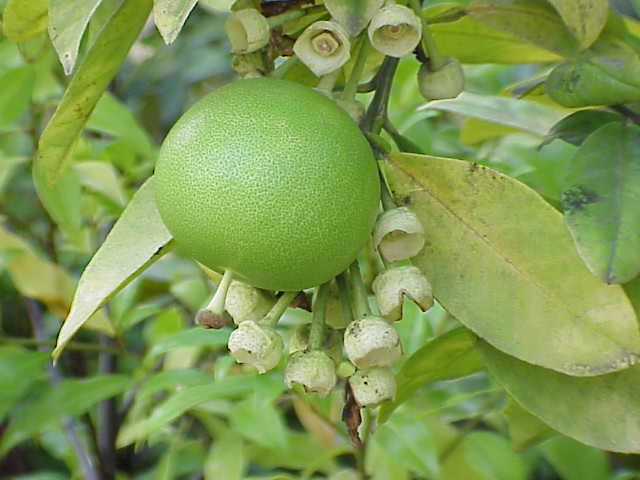
Pomelo
The largest citrus, shared at the Mid-Autumn Festival and tossed in Thai and Vietnamese salads.

Mustard greens
The winter green of Punjab, cooked slowly into sarson ka saag and eaten with maize flatbread.
Goes into: Caldo verde, Saag

Cassava
A staple root of Africa and South America, made into gari, fufu, farofa, tapioca and cassava bread.
Goes into: Bubble tea, Carimañola, Papadam, Fufu

Plantain
Harvested all year in the tropics. Fried green as tostones, ripe as dodo and maduros, or boiled and pounded.
Goes into: Pastelón, Fufu, Bhaji, Bandeja paisa

Lotus root
Dug from ponds in autumn and winter. Sliced into soups and stir-fries in China, Japan and Kashmir.

Daikon and winter radish
Simmered in oden in Japan, salted into kimchi in Korea, and stuffed into mooli paratha in north India.
Goes into: Kimchi, Sashimi, Miso soup, Naengmyeon

Cabbage
The keeping vegetable of winter, for sauerkraut, stuffed cabbage rolls, colcannon and coleslaw.
Goes into: Borscht, Shawarma, Sauerkraut, Smörgåsbord
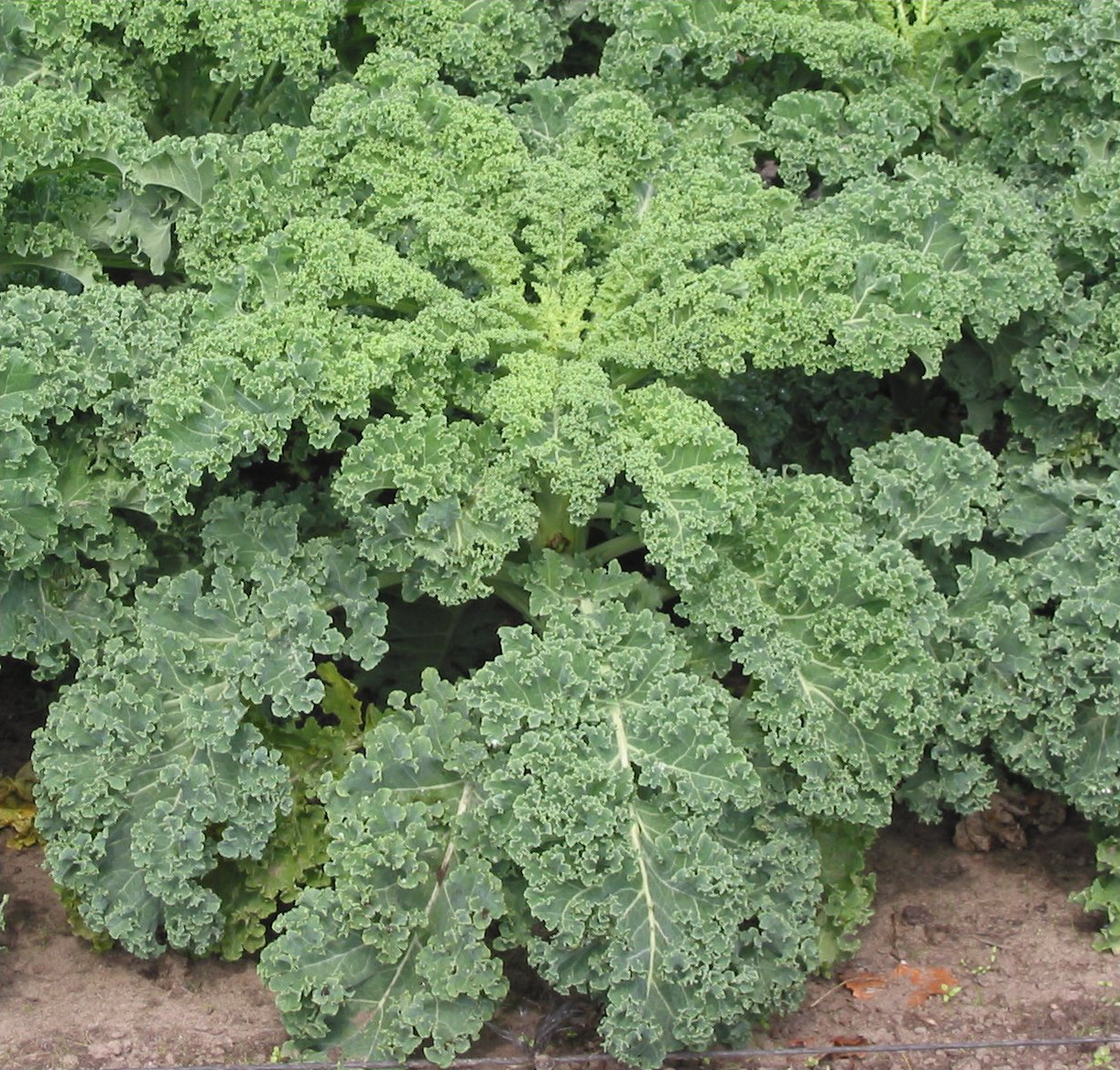
Kale
Sweeter after frost. Shredded into caldo verde in Portugal and cooked with sausage in north Germany.
Goes into: Colcannon, Ribollita, Caldo verde, Stamppot

Leek
The emblem of Wales, in cawl and cock-a-leekie. In France it goes into vichyssoise and vinaigrette.
Goes into: Tofu skin roll, Ukha, Ghormeh sabzi, Pot-au-feu


Carrot
The red carrots of the north Indian winter are grated and cooked in milk for gajar ka halwa.
Goes into: Borscht, Pilaf, Goulash, Olivier salad


Water chestnut
Singhara in India, sold fresh in early winter and ground into flour for fasting days.
Goes into: Thapthim krop

Green chickpeas
Fresh hara chana, a late winter treat in north India, roasted in the pod or cooked into curry.

Purple yam
Ube in the Philippines, for halaya and ice cream. In Gujarat it goes into the winter pot of undhiyu.
Goes into: Ube halaya

Date palm jaggery
Nolen gur, tapped from date palms in the Bengal winter, for sandesh, payesh and rice cakes.

Sugarcane
Cut in the cool season, pressed for juice, boiled into jaggery, and chewed at Pongal and Chhath.
Goes into: Grogue, Sugarcane juice, Arrack, Aguardiente

Truffle
White truffles from Alba in autumn, black from Périgord in winter, shaved over eggs, pasta and risotto.
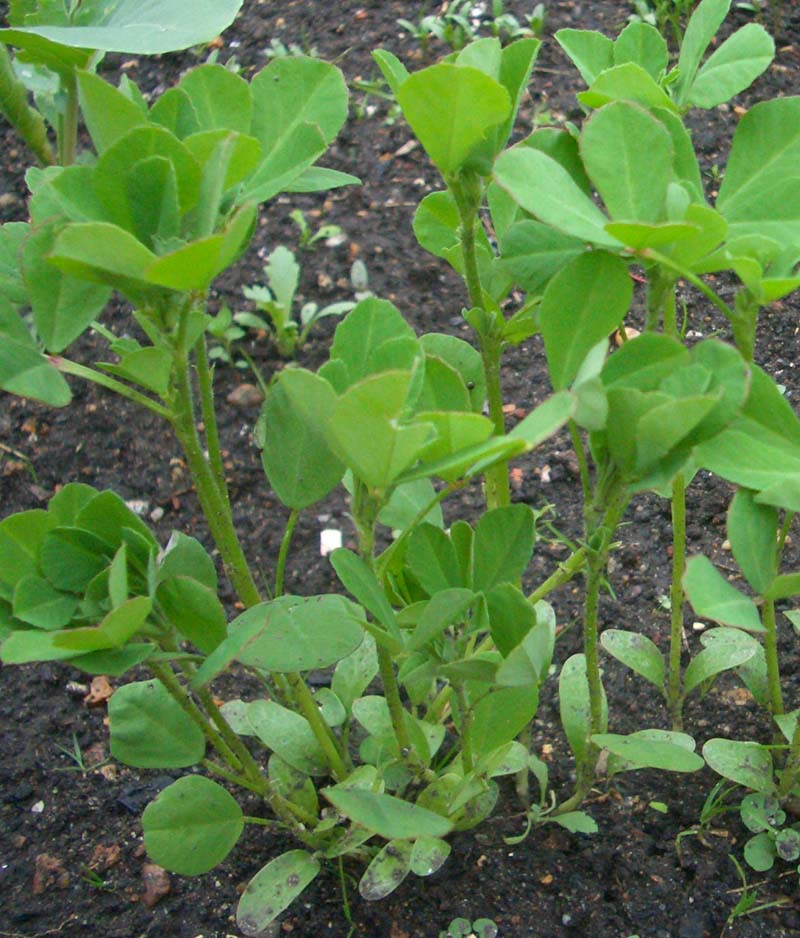
Fenugreek leaves
Fresh methi, a winter green in India, kneaded into thepla and paratha and cooked with potatoes.

Oysters
Native oysters are eaten in the months with an R. Opened by the dozen in France at Christmas.
Goes into: Po' boy, Oyster omelette

Mussels
Best in the cold months. Steamed with wine and served with chips in Belgium and northern France.
Goes into: Moules-frites, Clambake

Cod (skrei)
Arctic cod reach the Lofoten islands to spawn in winter. Much of the catch is dried as stockfish.
Goes into: Dried and salted cod, Afang soup, Bacalhau, Baccalà mantecato
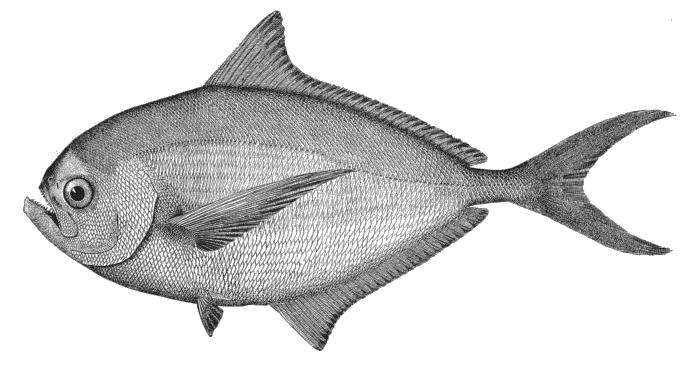
Pomfret
The prized fish of Mumbai and the Konkan coast after the monsoon, fried whole or cooked in curry.

Game
Venison, pheasant, grouse and wild boar are hunted in autumn, for roasts, stews, pies and ragù.
Photos from Wikimedia Commons under free licences; credits on the sources page.
Photo credits on this page
The small pictures above come from Wikimedia Commons under free licences. Some are cropped to fit.
- Guava: Amada44, CC BY 3.0, source
- Pomegranate: H. Zell, CC BY-SA 3.0, source
- Orange: Ivar Leidus, CC BY-SA 4.0, source
- Blood Orange: Eric Hill, CC BY-SA 2.0, source
- Mandarin: Joe Ravi, CC BY-SA 3.0, source
- Pomelo: Kurt Stüber [1], CC BY-SA 3.0, source
- Mustard Greens: Dalgial, CC BY-SA 3.0, source
- Cassava: David Monniaux, CC BY-SA 3.0, source
- Plantain: Daegis, CC BY-SA 3.0, source
- Lotus Root: T.Voekler, CC BY-SA 3.0, source
- Daikon: Koljan at German Wikipedia, CC BY-SA 3.0 de, source
- Cabbage: Rasbak, CC BY-SA 3.0, source
- Kale: Rasbak, CC BY-SA 3.0, source
- Leek: WikiLucas00, CC BY-SA 4.0, source
- Cauliflower: Etbe, CC BY-SA 3.0, source
- Carrot: Evan-Amos, Public domain, source
- Fennel: Elekes Andor, CC BY 4.0, source
- Water Chestnut: юра запеченко, CC BY 3.0, source
- Green Chickpea: Sanjay Acharya, CC BY-SA 3.0, source
- Purple Yam: Forest & Kim Starr, CC BY 3.0, source
- Date Palm Jaggery: Sanjay ach, CC BY-SA 3.0, source
- Sugarcane: ruurmo, CC BY-SA 2.0, source
- Truffle: No machine-readable author provided. Poppy assumed (based on copyright, CC BY-SA 3.0, source
- Fenugreek Leaves: Yak, CC BY-SA 3.0, source
- Oyster: User:Anthere, CC BY-SA 3.0, source
- Mussel: Wilson44691 at English Wikipedia, Public domain, source
- Cod: Matthieu Godbout, CC BY-SA 3.0, source
- Pomfret: The Fisheries and Fisheries Industries of the United States", by Georg, Public domain, source
- Game: Morten Schultz - Hunting and wildlife, CC BY 3.0, source